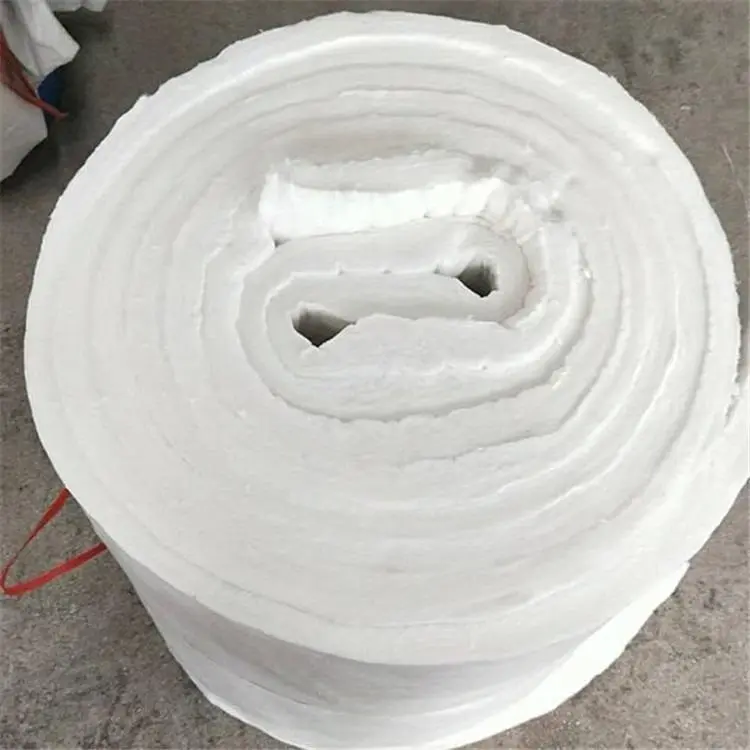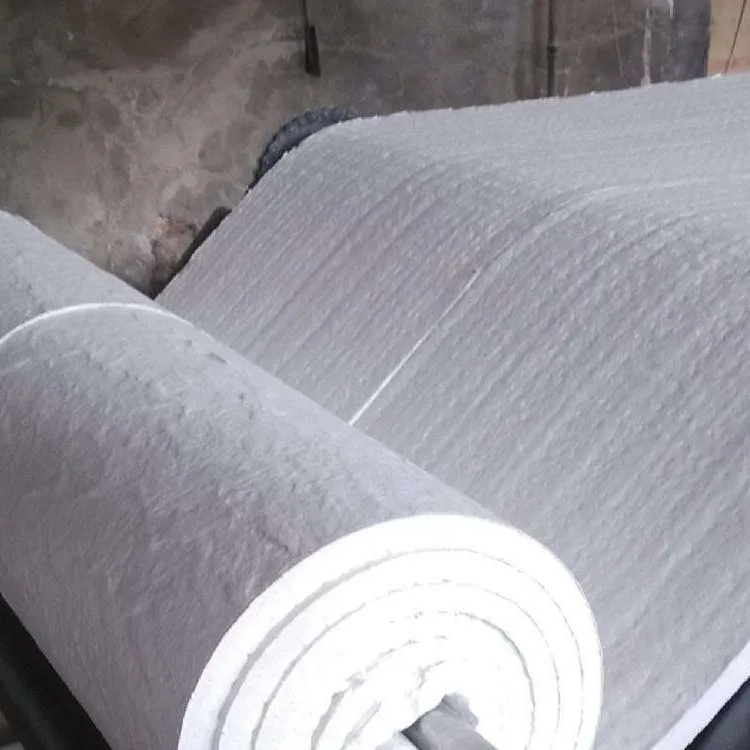
In the demanding sectors of steel manufacturing, power generation, and petrochemical processing, thermal insulation materials play a critical role in ensuring operational efficiency and safety. Among the advanced solutions, zirconia ceramic fiber blankets have emerged as a high-performance choice, uniquely capable of withstanding continuous temperatures up to 1800°C. This article delves into the core technological advantages of zirconia ceramic fiber blankets, linking their superior properties to key industry pain points and application scenarios.
The exceptional performance of zirconia ceramic fiber blankets stems from the use of high-purity zirconium oxide as the primary raw material. This grants the fiber blanket outstanding thermal stability and chemical inertness. Unlike conventional alumina-silica fibers, zirconia-based fibers maintain structural integrity under sustained exposure to extreme heat environments without compromising insulation efficiency.
Independent laboratory tests demonstrate that zirconia ceramic fiber blankets retain more than 90% of their insulating capacity after 1000 hours of exposure to 1800°C, outperforming many competitors by a margin of 20%-30%. This helps plants reduce unexpected downtime resulting from insulation degradation, thus saving on costly repairs and replacements.
Customized for the rigorous thermal environments found in steelmaking, zirconia fiber blankets are widely adopted as furnace linings where temperatures routinely exceed 1600°C. Their low thermal conductivity and mechanical resilience prevent heat loss while extending furnace lifespan.
In power plants, these blankets serve as insulation for boilers and turbines, improving heat containment and thereby enhancing fuel efficiency. The petrochemical industry benefits from their chemical resistance in harsh refinery conditions, ensuring reliable insulation for critical process equipment.
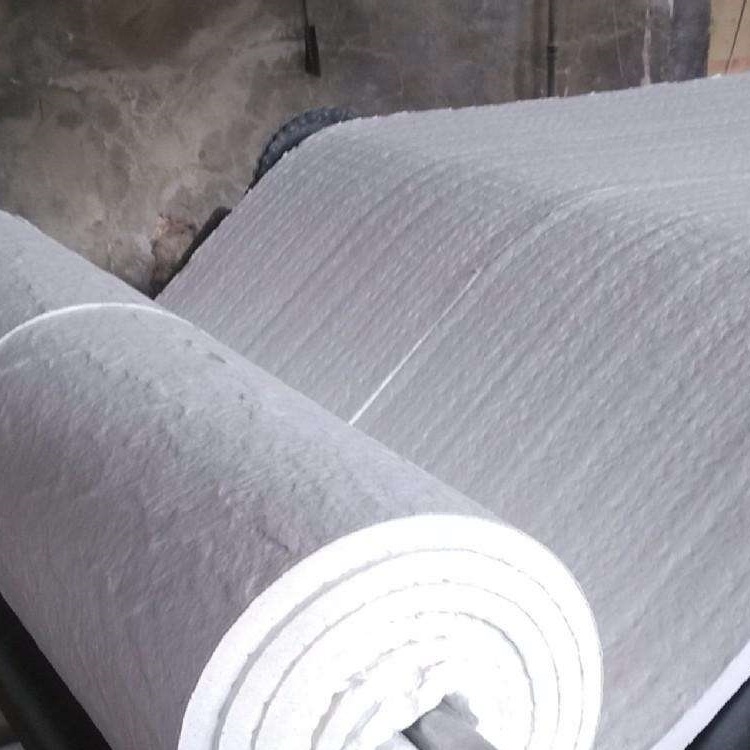
The technology and manufacturing processes behind these zirconia ceramic blankets are endorsed by stringent international certifications, including CE and ISO 9001, certifying consistent quality and safety standards. These certifications provide procurement managers confidence in compliance with global industrial requirements.
Additionally, the blankets’ flexible and lightweight design simplifies installation and retrofit projects. Reduced installation times directly translate to fewer operational interruptions and near 30% savings in labor costs compared with rigid refractory options.
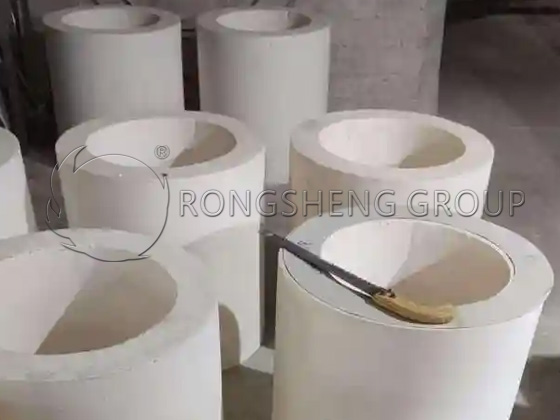
The barriers posed by extreme industrial temperatures demand insulation materials capable of withstanding continuous abuse without rapid deterioration. Zirconia ceramic fiber blankets enable safer working conditions by minimizing heat radiation and preventing structural thermal stress. Their robust nature cuts down on unscheduled maintenance, directly reducing operational risks and costs.
As industrial projects increasingly pursue sustainable and efficient insulation solutions, zirconia ceramic fiber blankets stand out as a proven investment. Companies that have adopted this technology report measurable gains in safety protocols, energy conservation, and cost containment.
 300
|
300
|
 high-temperature applications in construction materials steel fiber reinforced castable refractory material high-quality bauxite high-temperature advantages product certification customer trust product inquiries
213
|
Customized refractory panels Industrial furnace high - temperature solutions Sintered silicon carbide panels Metallurgical furnace refractory transformation High - temperature kiln optimization
392
|
["custom refractory cement" "high temperature cement optimization" "thermal shock resistant cement" "industrial cement solutions" "refractory material customization"]
456
|
["refractory castables" "automated production" "customized R&D" "industrial refractory materials" "global manufacturing solutions"]
50
|
honeycomb ceramic regenerative heat exchanger HTAC technology carbon emission compliance high-temperature air combustion energy-efficient heat storage system
high-temperature applications in construction materials steel fiber reinforced castable refractory material high-quality bauxite high-temperature advantages product certification customer trust product inquiries
213
|
Customized refractory panels Industrial furnace high - temperature solutions Sintered silicon carbide panels Metallurgical furnace refractory transformation High - temperature kiln optimization
392
|
["custom refractory cement" "high temperature cement optimization" "thermal shock resistant cement" "industrial cement solutions" "refractory material customization"]
456
|
["refractory castables" "automated production" "customized R&D" "industrial refractory materials" "global manufacturing solutions"]
50
|
honeycomb ceramic regenerative heat exchanger HTAC technology carbon emission compliance high-temperature air combustion energy-efficient heat storage system