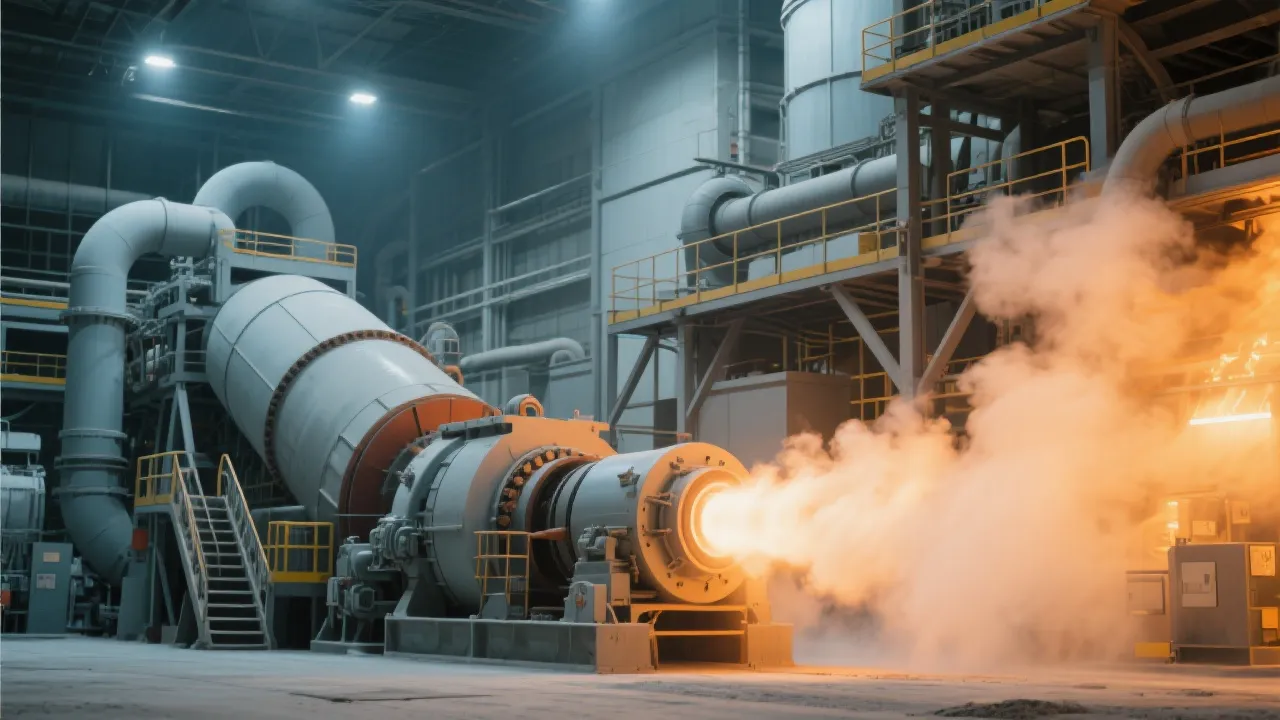
In cement, metallurgy, non-ferrous, power, petrochemical, and waste-to-energy operations, refractory lining reliability is not a “maintenance topic”—it is a production KPI. The wrong castable choice can turn predictable shutdowns into unplanned stoppages, quality drift, and high total refractory cost.
Many high-wear zones combine thermal shock, mechanical abrasion, and chemical attack in the same meter of lining: burner throats, kiln hood areas, risers, cyclone inlets, transfer chutes, ladle impact zones, and ash/slag contact points. Plants often discover that a refractory is “heat resistant” on paper but fails early due to insufficient abrasion resistance or poor installation tolerance. Practical selection is therefore a balancing exercise between service temperature, wear rate, compressive strength, and repair downtime.

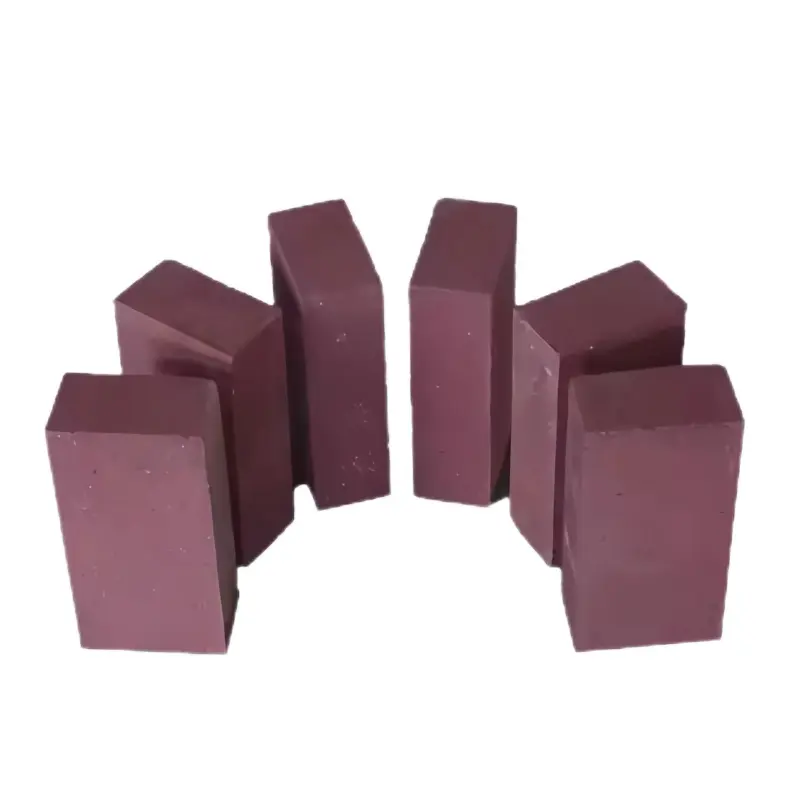
Rongsheng Refractory positions its wear-resistant castable refractory (bauxite-based) as a practical, engineering-led answer for plants needing stable furnace lining integrity under high-temperature, high-wear conditions. It is designed for high-temperature industrial use with a stated refractoriness up to 1900 °C, and emphasizes wear resistance and compressive strength to keep linings intact longer—helping reduce stoppages, patching frequency, and total maintenance workload.
Bauxite-based aggregates are graded to achieve dense packing; binders and additives are selected to balance workability, strength development, and thermal stability. In practice, this means the castable is expected to deliver consistent placement during installation and stable microstructure after curing and firing—two factors that often decide whether a lining lasts months or fails early.
For most plants, “good refractory” is measured by operational stability: fewer hot spots, fewer emergency repairs, and predictable shutdown windows. A wear-resistant castable refractory is therefore evaluated not only by lab values, but by how well it resists abrasion and mechanical impact while retaining shape at high temperature.
Exact results vary by kiln design, operating temperature profile, and installation quality. Still, global field experience in similar bauxite-based wear-resistant castables shows several repeatable economic signals: reduced repair frequency in abrasion-dominant zones, improved lining shape retention, and lower refractory consumption per year.
| Operational indicator | Common baseline pain | Observed improvement range (reference) | What it means financially |
|---|---|---|---|
| Unplanned lining repairs | Emergency patching disrupts throughput | ↓ 20%–40% | Less downtime, fewer call-outs |
| Lining service life in high-wear sections | Fast thickness loss, hot spots | ↑ 15%–35% | Lower annual refractory consumption |
| Maintenance labor hours | Repeated repairs, difficult scheduling | ↓ 10%–25% | Lower internal cost; safer execution |
| Annual total refractory cost (material + downtime) | Downtime dominates the cost structure | ↓ 8%–18% | Improved cost predictability |
Note: Ranges above reflect industry reference performance for wear-resistant castable refractory upgrades in abrasion-heavy areas; site-specific outcomes depend on operating regime, anchoring design, curing, and dry-out procedures.
“In high-temperature production, the best refractory is the one that holds geometry under load and abrasion. Temperature rating matters, but stability and wear behavior decide whether a shutdown stays planned.” — Field viewpoint commonly shared by refractory engineers in cement and metallurgical maintenance teams
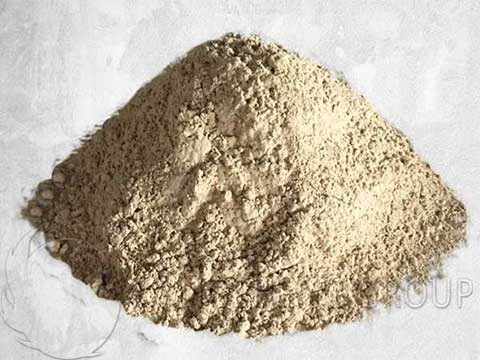
From an operational point of view, the most cost-sensitive areas are the ones that force production interruption when lining condition degrades. In many plants, a “good enough” material in low-wear zones can be acceptable, but high-wear zones benefit disproportionately from a higher-performance castable. Rongsheng Refractory typically supports projects by matching the material grade to the zone’s dominant failure mode—abrasion, impact, thermal shock, or mixed wear.
In a high-throughput line operating above 1,000 °C, a transfer area experiences continuous particle scouring and occasional impact. After switching from a general-purpose castable to a wear-resistant castable refractory with stronger abrasion behavior, the lining showed slower thickness loss and fewer localized failures, enabling the maintenance team to shift from reactive patching to scheduled inspection intervals. In practical terms, even a single avoided unplanned shutdown can justify a material upgrade because downtime costs often exceed refractory material costs by an order of magnitude.
In refractory procurement, customization is not cosmetic. It typically includes adjusting aggregate grading for density, selecting binder systems for set control, and aligning the mix with local installation methods (casting, vibration, gunning-adapted mixes) and dry-out constraints. Rongsheng Refractory offers custom solutions and fast technical support so plants can reduce installation risk and ramp back to stable production sooner.
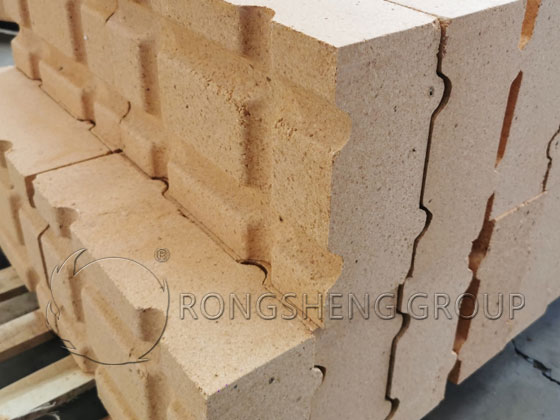
For engineering and sourcing teams evaluating high-temperature industrial materials, the decision is strongest when it is evidence-led. A practical checklist usually includes:
Plants that treat refractory selection as a reliability program (not a one-time purchase) tend to run more predictably. If your high-wear zones are driving unplanned repairs, it is reasonable to test an upgraded wear-resistant castable refractory with a clear evaluation plan: target zones, lining thickness monitoring, repair frequency tracking, and downtime reduction goals.
Share your operating temperature, wear mechanism, and lining drawings—Rongsheng Refractory can recommend a zone-based solution and support a faster, lower-risk rollout.
 192
|
192
|
 high alumina refractory bricks kiln refractory selection thermal stability in refractories low thermal conductivity refractory custom refractory solutions
78
|
ceramic fiber blanket high-temperature insulation thermal stability low thermal conductivity aluminosilicate fiber insulation
321
|
B2B export process Al2O3 SiC C castable refractory export blast furnace refractory shipping refractory materials customs clearance refractory export documentation
247
|
Refractory castables High - temperature industrial materials Wear - and corrosion - resistant materials Refractory material customization Industrial refractory solutions
385
|
Silicon carbide refractory bricks High - temperature refractory materials Industrial furnace brick customization Thermal shock resistant refractory bricks Industrial kiln efficient materials
high alumina refractory bricks kiln refractory selection thermal stability in refractories low thermal conductivity refractory custom refractory solutions
78
|
ceramic fiber blanket high-temperature insulation thermal stability low thermal conductivity aluminosilicate fiber insulation
321
|
B2B export process Al2O3 SiC C castable refractory export blast furnace refractory shipping refractory materials customs clearance refractory export documentation
247
|
Refractory castables High - temperature industrial materials Wear - and corrosion - resistant materials Refractory material customization Industrial refractory solutions
385
|
Silicon carbide refractory bricks High - temperature refractory materials Industrial furnace brick customization Thermal shock resistant refractory bricks Industrial kiln efficient materials