Lower Shell Temperature
Common observed reduction: 10–30°C after lining optimization, improving safety and reducing loss.
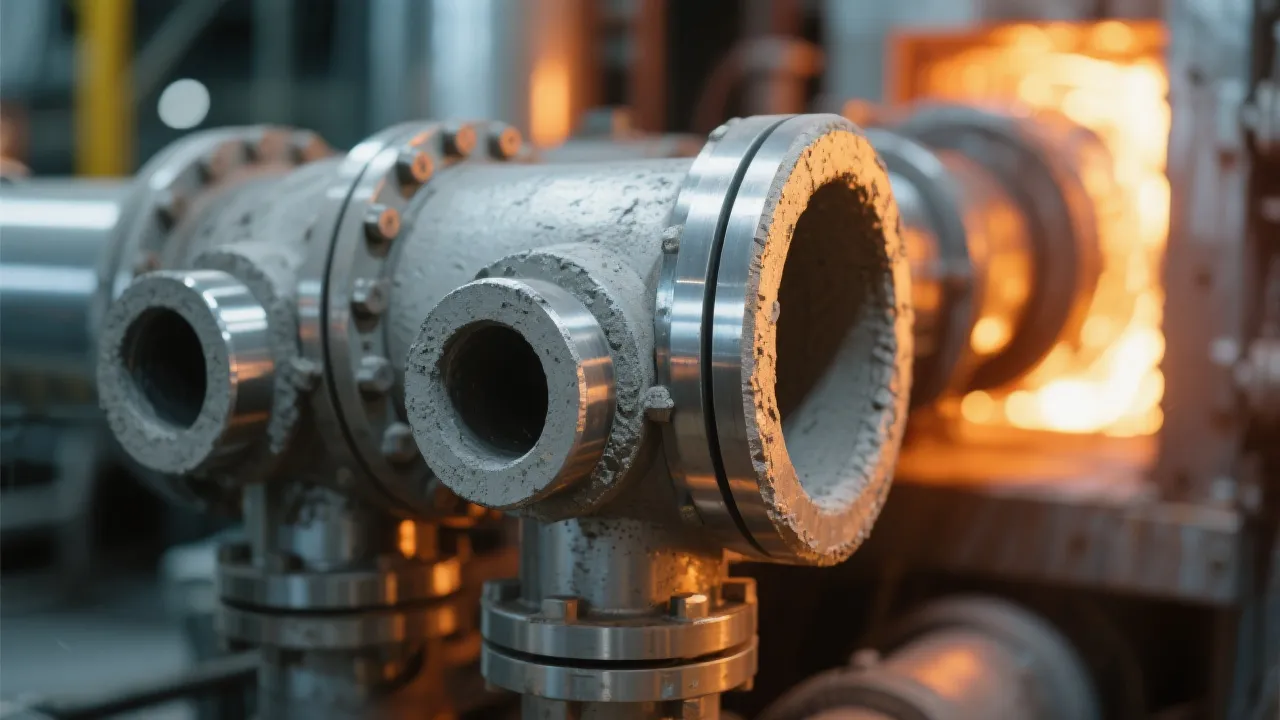
In high-temperature industrial furnaces, “refractory performance” is not a slogan—it is a measurable outcome: heat loss, unplanned shutdowns, lining lifespan, and compliance risks. Yet for global buyers, evaluating refractory mortar remotely often depends on PDFs, sample photos, and short calls that rarely convey the real installation feel or the heat-flow impact.
That is why Zhengzhou Rongsheng Refractory Co., Ltd. is bringing product innovation to export marketing in a practical way: combining its insulating aluminosilicate refractory mortar with a virtual reality (VR) product experience so procurement teams can “walk through” application scenarios, compare energy implications, and validate fit—faster and with fewer assumptions.
In B2B export markets, decision-making rarely rests on one engineer. It involves procurement, maintenance, plant management, and sometimes EPC contractors. Their common friction points are predictable:
The VR approach does not replace technical data—it makes it easier to interpret. It shortens the distance between specification and real-world use, which is exactly what industrial buyers want when lead times and shutdown windows are tight.

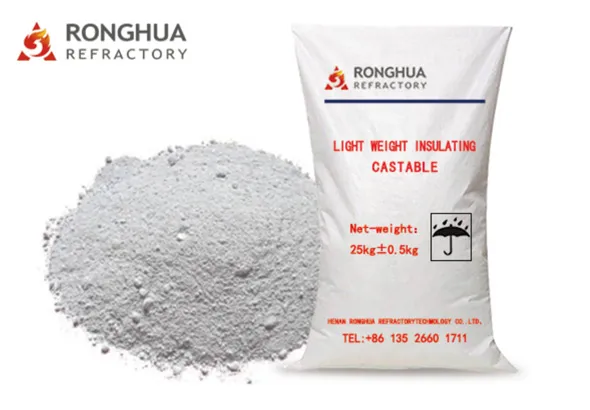
Rongsheng’s insulating aluminosilicate refractory mortar is engineered for furnace lining joints and insulation layers where thermal efficiency, structural stability, and long service life must work together. The formulation targets a balance: strong bonding and controlled drying behavior, while reducing heat transfer in the lining system.
Actual performance depends on furnace design, lining structure, installation method, and firing curve. The following values are commonly referenced by buyers for preliminary evaluation and can be verified against your operating conditions during technical alignment:
| Parameter | Reference Range | What It Means for Buyers |
|---|---|---|
| Max service temperature | ~1300–1450°C | Suitable for many kiln & furnace insulation/joint zones |
| Al₂O₃ content | ~40–55% | Thermal stability and refractoriness foundation |
| Bulk density (dried) | ~0.9–1.2 g/cm³ | Lower density supports insulation and lighter lining designs |
| Thermal conductivity (600°C) | ~0.25–0.35 W/m·K | Helps reduce shell temperature and heat loss |
| Cold crushing strength (dried) | ~3–8 MPa | Durable joints with practical resistance to handling/operation |
| Linear change after firing | ~(-0.5%) to (+0.5%) | Supports dimensional stability and crack control |
For many plants, the performance question is not “Is it refractory?” but “Can this mortar help lower energy cost while maintaining lining integrity?” That is exactly where insulation-focused aluminosilicate mortar can create measurable value.
Buyers often request a simple number: “How much can we save?” While exact savings depend on furnace geometry and cycles, insulation improvements in the lining system frequently translate into:
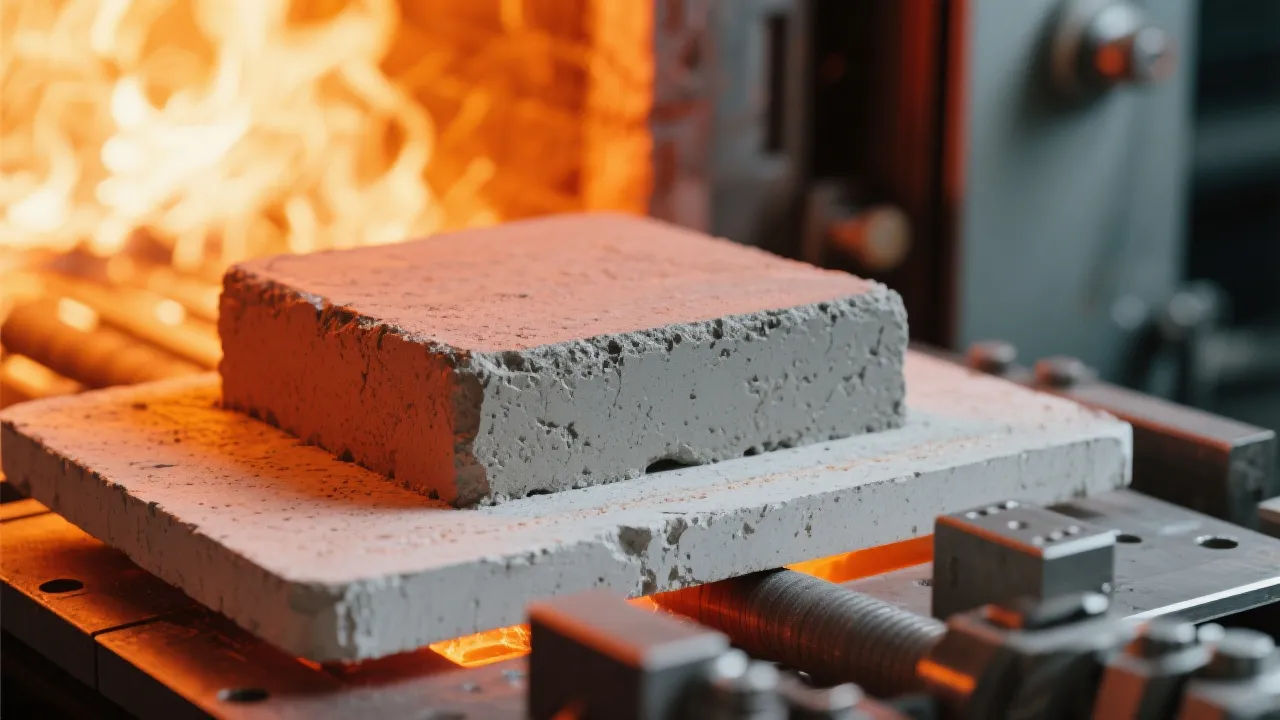
Common observed reduction: 10–30°C after lining optimization, improving safety and reducing loss.
Many thermal systems report 3–8% energy reduction when insulation layers and joints are improved.
Better bonding and stability can extend minor repair intervals by 10–20% in suitable zones.
Note: These are practical reference ranges used in early-stage evaluations. A quick technical exchange (operating temperature, lining drawings, fuel type, cycle time) enables a more accurate estimate.
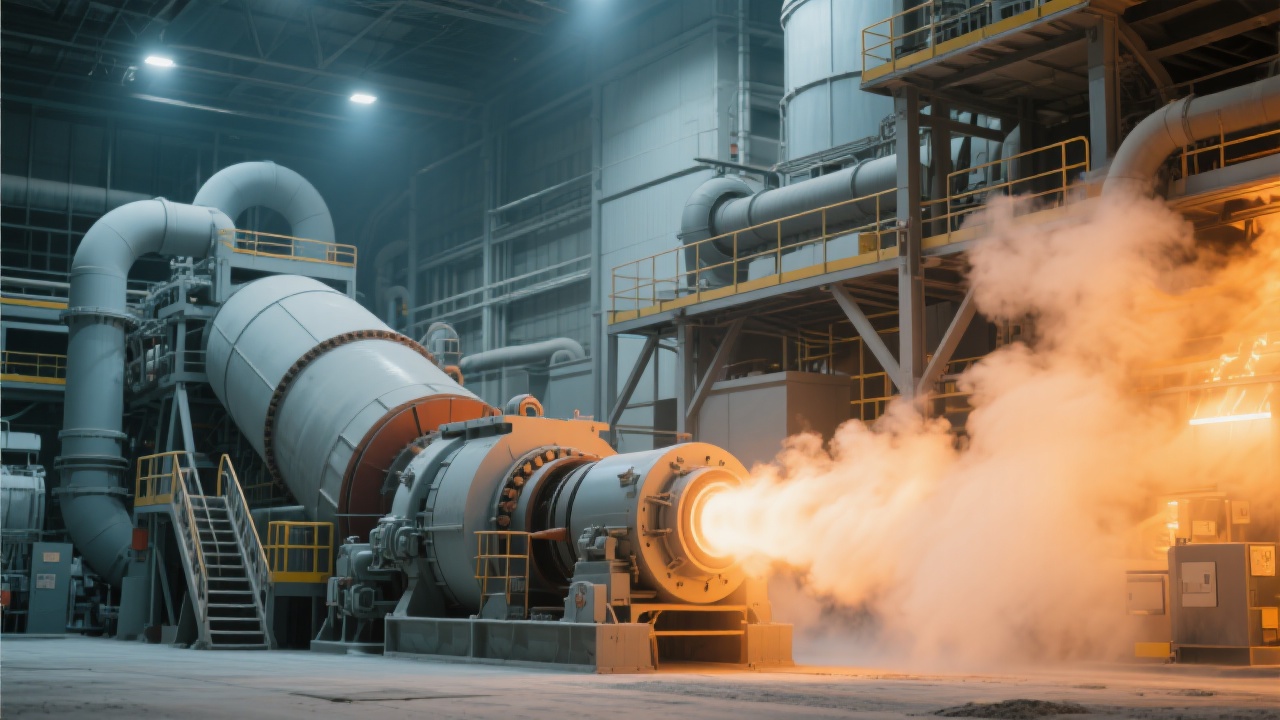
In export projects, “standard mortar” is often the fastest route to mismatch: wrong grain size for joint thickness, insufficient insulation for a redesigned wall, or drying behavior that does not fit the plant’s heating curve. Rongsheng’s approach emphasizes custom-fit parameters so buyers can lock down performance with fewer on-site surprises.
In many cases, buyers do not need a complicated redesign—just a mortar that behaves predictably during installation and remains stable after firing. This is where small specification adjustments create outsized operational confidence.
VR is not used here as a “tech decoration.” It solves a real export marketing problem: the buyer wants to see the application context and test decisions before requesting samples or issuing a purchase order. The experience is designed for procurement teams, plant engineers, and project managers who need clarity quickly.
To keep evaluation engaging (and more memorable), visitors can enter a short interactive scenario: a virtual kiln wall shows several joint and insulation mistakes. Users identify likely heat-leak points and immediately see how insulation mortar selection and correct joint treatment can influence heat flow and shell temperature.
Where heat loss typically occurs: joints, corners, interfaces, and repairs—not just the brick itself.
It aligns procurement and engineering around a shared picture—reducing back-and-forth in cross-border communication.
Users can export a “scenario summary” for internal approval and technical discussion.
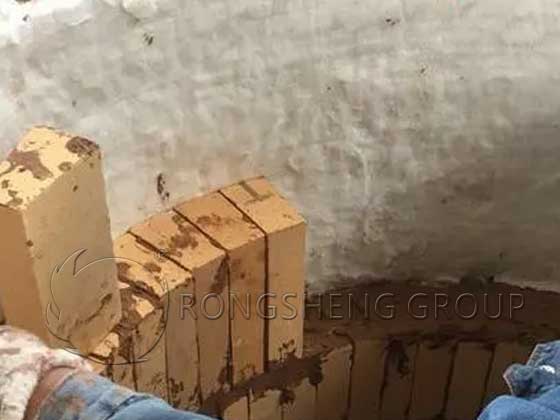
Consider a mid-size industrial kiln operator running periodic shutdowns. The team’s challenge was not selecting a “stronger” material—it was controlling heat loss and avoiding repeat repairs around joints and interfaces. After aligning the lining structure and using insulation-focused refractory mortar for joint treatment and insulation-layer continuity, the operator recorded:
| Metric | Before | After | Change |
|---|---|---|---|
| Average shell temperature (hot zone) | ~225°C | ~205°C | -20°C |
| Energy consumption per cycle | Baseline | Reduced | ~5% |
| Minor repair frequency (joints/interfaces) | Every ~3 months | Every ~4 months | +33% interval |
What made the process faster was not only the data—it was the shared understanding created through interactive visualization. The buyer’s engineering and procurement teams reached specification alignment with fewer calls and clearer documentation, which is often the hidden cost in cross-border sourcing.
This insulating aluminosilicate refractory mortar is commonly evaluated for:
Lining joints, insulation-layer continuity, corner and interface sealing.
Insulating zones where stable temperature control and efficiency matter.
Repairs and joints needing predictable bonding and insulation support.
For export buyers, speed and certainty often win. A short technical brief typically includes: operating temperature, furnace type, lining drawing (if available), joint thickness, and current pain points (heat loss, cracking, frequent patching, short shutdown window). Based on that, Rongsheng can propose a suitable insulation mortar grade and provide a VR scenario that mirrors your lining structure—so your team can evaluate with less guesswork.
Share your furnace operating conditions and lining structure. Rongsheng’s team will respond with recommended parameters, application notes, and a VR walkthrough tailored to your scenario—so you can approve faster and install with confidence.
Experience the Insulating Aluminosilicate Refractory Mortar in VR »Typical response time: within 24 hours on business days. Technical details remain confidential and used only for evaluation support.
 244
|
244
|
 Corundum refractory balls High-temperature refractory materials Thermal stability Refractory temperature Customized refractory products
305
|
High - purity zirconium powder Refractory materials Ceramic production upgrade Customized zirconium powder particle size Global supply chain support
154
|
ceramic fiber rope high-temperature sealing materials heat-resistant sealing solutions customized ceramic fiber seals refractory sealing rope
140
|
Zhengzhou Rongsheng High-Alumina Bricks Multi-Industry Applicable High-Alumina Bricks High-Alumina Brick Technical Highlights
180
|
high temperature refractory cement refractory cement mechanical strength refractory cement thermal shock resistance custom refractory solutions ISO certified refractory materials
Corundum refractory balls High-temperature refractory materials Thermal stability Refractory temperature Customized refractory products
305
|
High - purity zirconium powder Refractory materials Ceramic production upgrade Customized zirconium powder particle size Global supply chain support
154
|
ceramic fiber rope high-temperature sealing materials heat-resistant sealing solutions customized ceramic fiber seals refractory sealing rope
140
|
Zhengzhou Rongsheng High-Alumina Bricks Multi-Industry Applicable High-Alumina Bricks High-Alumina Brick Technical Highlights
180
|
high temperature refractory cement refractory cement mechanical strength refractory cement thermal shock resistance custom refractory solutions ISO certified refractory materials