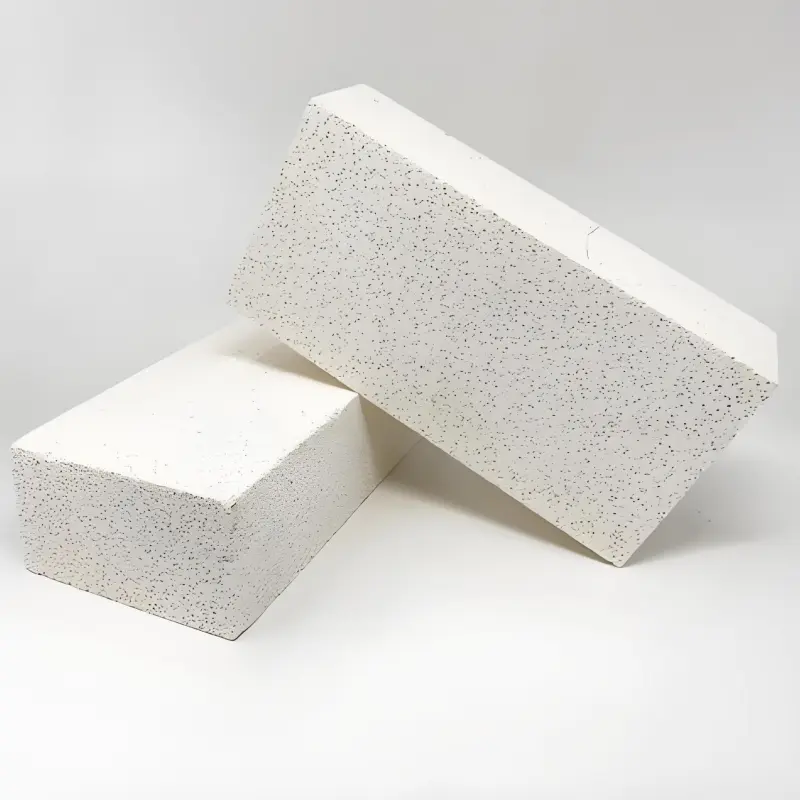
The backbone of industrial furnace performance lies in the choice of refractory materials, especially under extreme temperatures reaching 1770°C to 2000°C. Modern production demands a blend of durability, energy conservation, and thermal stability, which traditional refractory bricks often fail to meet. The emergence of silicon carbide (SiC) refractory bricks from Zhengzhou Rongsheng Refractories Co., Ltd. offers a paradigm shift—integrating high-density, low-porosity structures engineered for these severe working conditions.
Industrial furnaces typically experience intense thermal cycles, chemical corrosion, and mechanical wear. Traditional materials such as fireclay bricks or basic alumina-based bricks often suffer from significant thermal shock damage, high porosity leading to heat losses, and limited lifespan—resulting in energy inefficiency and frequent maintenance downtime.
For example, porosity in conventional refractory bricks ranges between 15% to 25%, causing increased heat penetration and elevated fuel consumption. In contrast, silicon carbide bricks maintain porosities as low as 5–8%, dramatically reducing thermal conductivity and minimizing heat loss.
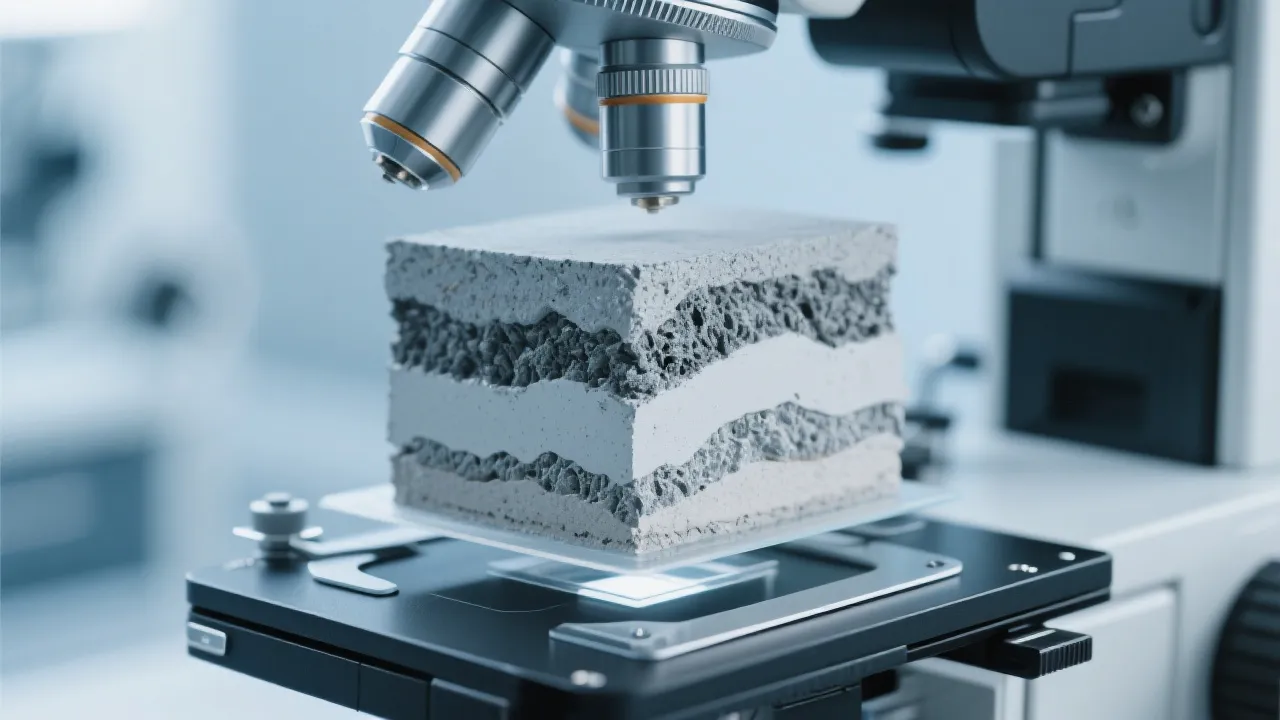
Silicon carbide (SiC) refractory bricks exhibit exceptional properties due to their optimized physical microstructure and chemical composition. High-density packing reduces internal voids, achieving a bulk density exceeding 3.1 g/cm³, which enhances heat retention capabilities and mechanical strength (compressive strength > 40 MPa at 2000°C).
Additionally, low porosity limits heat conduction pathways by minimizing air pockets within the brick matrix, resulting in thermal conductivity values under 10 W/m·K at operational temperatures—far lower than conventional fireclay bricks exceeding 20 W/m·K.
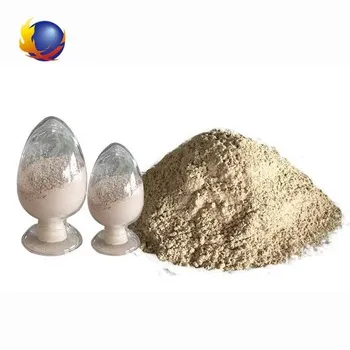
One of the core advantages offered by Zhengzhou Rongsheng lies in its bespoke refractory brick formulations. By adjusting the silica (SiO2), alumina (Al2O3), and magnesia (MgO) proportions, the bricks can be fine-tuned to fit distinct furnace types, heating profiles, and corrosive atmospheres.
For example, higher Al2O3 content enhances resistance to slag infiltration in metallurgical furnaces, while increased MgO imparts alkaline corrosion resistance critical in cement kiln applications. This tailored approach ensures that every installation optimizes thermal efficiency and operational longevity.
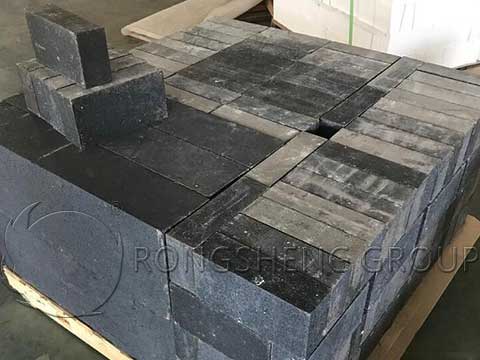
A case study involving a steel production facility revealed that replacing traditional fireclay bricks with silicon carbide refractory bricks designed for 1770°C to 2000°C environments lowered fuel consumption per ton of steel by approximately 12%. This translated into annual energy cost savings upwards of USD 150,000 and furnace lifespan extended by up to 30%.
Additionally, the improved thermal insulation and shock resistance significantly reduced maintenance frequency and unplanned shutdowns, hence improving overall production uptime and profitability.
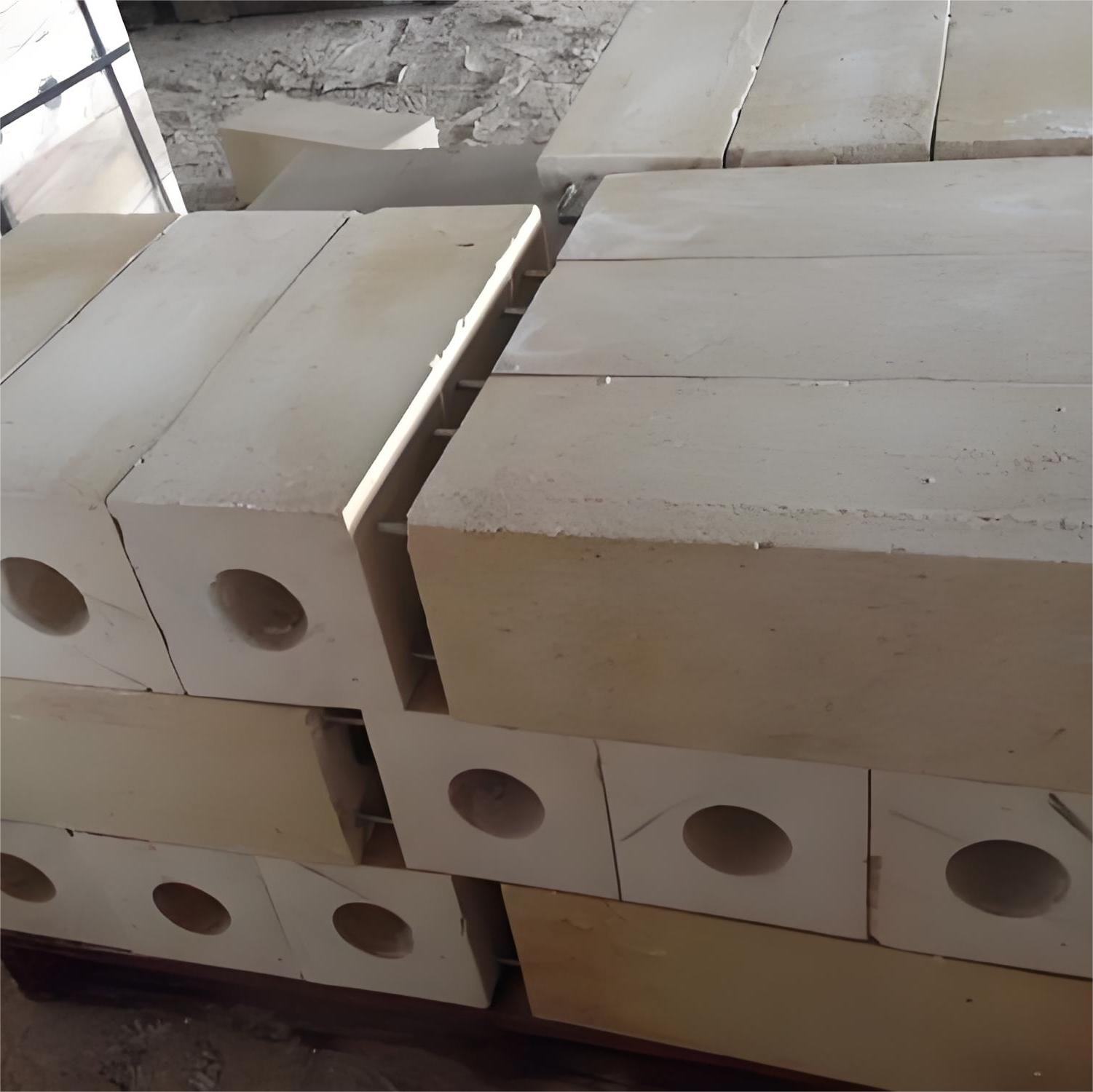
Zhengzhou Rongsheng refractory bricks meet key international standards, including ASTM C560 and ISO 12677, ensuring raw material and manufacturing excellence. Comprehensive testing verifies performance under simulated working conditions, guaranteeing product reliability from installation onward.
Moreover, end-users benefit from expert technical consultation, customized installation recommendations, and timely after-sales service, enabling optimized furnace design and energy management strategies.
 371
|
371
|
 ["high Al2O3 refractory materials" "catalytic cracking refractory solutions" "intelligent automated ramming material" "refractory material thermal stability" "industrial furnace lining selection"]
404
|
internationally certified refractory materials high-temperature industries MgO-Cr2O3 bricks Zhengzhou Rongsheng Refractory Materials Co. Ltd. thermal shock resistance high-temperature stability customer case study
302
|
zirconia ceramic fiber blanket high temperature insulation material refractory fiber blanket industrial high temperature insulation ceramic fiber blanket for export
447
|
corundum mullite burner bricks high-temperature industrial furnaces refractory material procurement fire resistance low apparent porosity customizable chemical composition global application cases
447
|
Nitride-bonded silicon carbide bricks Customized refractory bricks High-temperature refractory materials Industrial furnace insulation Ceramic firing process optimization
["high Al2O3 refractory materials" "catalytic cracking refractory solutions" "intelligent automated ramming material" "refractory material thermal stability" "industrial furnace lining selection"]
404
|
internationally certified refractory materials high-temperature industries MgO-Cr2O3 bricks Zhengzhou Rongsheng Refractory Materials Co. Ltd. thermal shock resistance high-temperature stability customer case study
302
|
zirconia ceramic fiber blanket high temperature insulation material refractory fiber blanket industrial high temperature insulation ceramic fiber blanket for export
447
|
corundum mullite burner bricks high-temperature industrial furnaces refractory material procurement fire resistance low apparent porosity customizable chemical composition global application cases
447
|
Nitride-bonded silicon carbide bricks Customized refractory bricks High-temperature refractory materials Industrial furnace insulation Ceramic firing process optimization