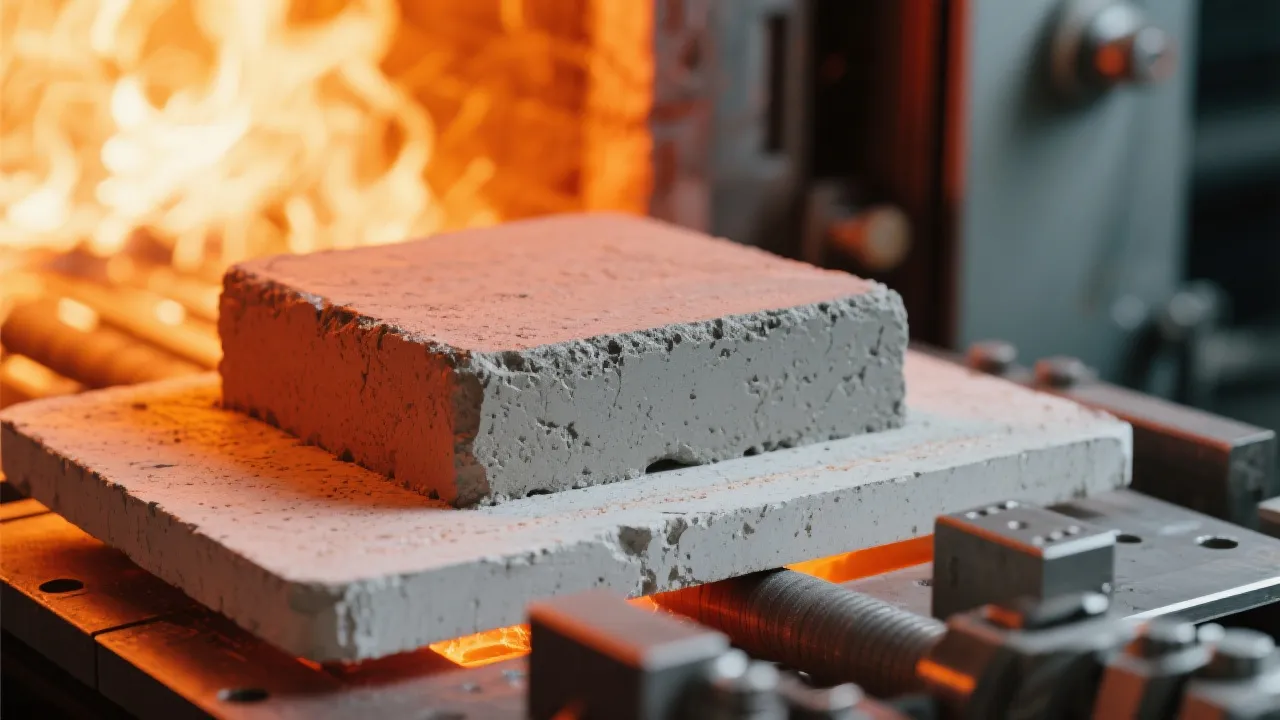
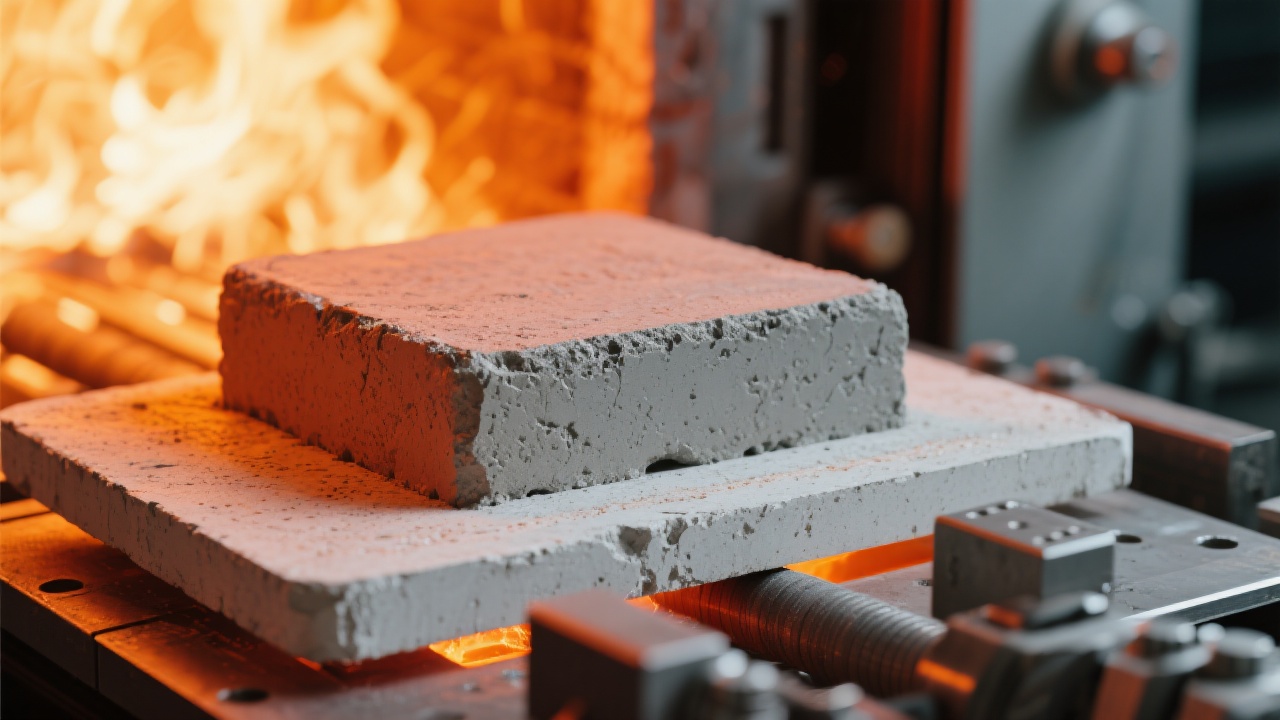
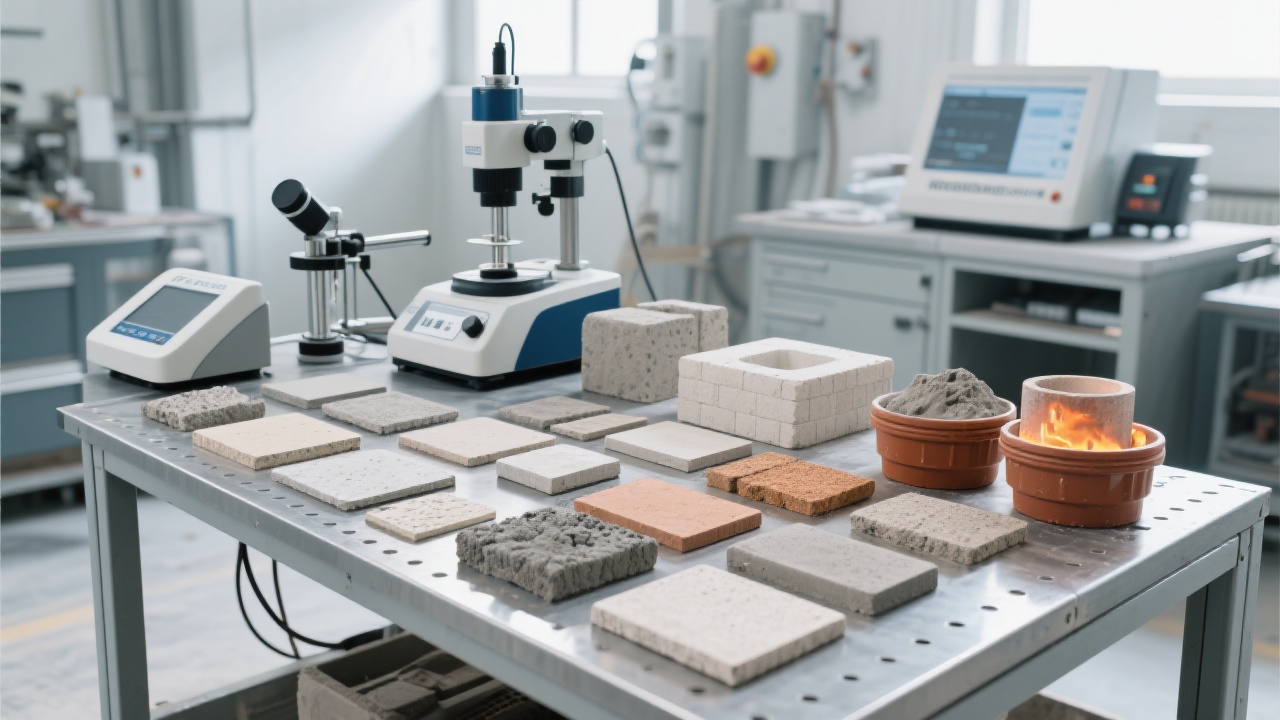
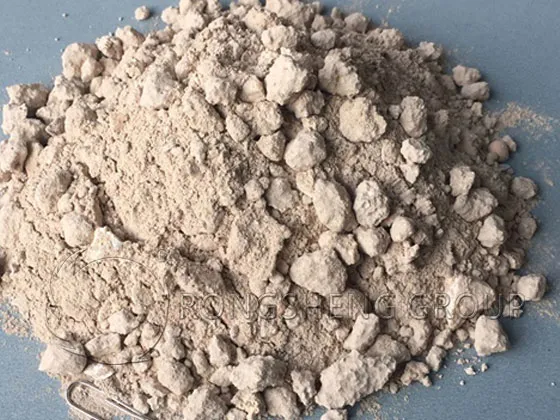
As metallurgical operations push for higher temperature capability, longer lining life, and lower contamination risk, silicate ramming mixes are gaining wider adoption in steel and aluminum high-heat zones. The silicate ramming mix developed by RONGSHENG Refractory is engineered for demanding service conditions, delivering a rated service temperature of 1600–1700°C and stable performance for up to 30 hours in continuous high-temperature use. Formulated with high-quality quartz aggregates and a precisely controlled composition, it supports fast installation and mechanized application, helping reduce molten steel pollution risk and enabling more stable clean-steel continuous production. Backed by ISO 9001 certification and trusted in more than 70 countries, this solution offers a practical balance of thermal resistance, operational reliability, and on-site efficiency for modern metallurgical plants.
High-Efficiency Refractory Materials for Metallurgy: Where Silicate Ramming Mass Delivers Real Production Gains
In steelmaking and aluminum processing, refractories are not a “maintenance detail”—they are a production variable. As plants push for cleaner melts, longer campaigns, and faster turnarounds, refractory failure modes such as spalling, erosion, or steel/slag infiltration quickly translate into unplanned downtime and higher contamination risk. This is why Rongsheng Refractory has continued refining its silicate ramming mass solutions for high-temperature metallurgical zones where stable heat resistance, tight structure, and practical installation matter just as much as lab numbers.
Why Metallurgical Furnaces Demand “More Than Heat Resistance”
Modern metallurgy increasingly focuses on consistency: stable tapping temperature, controlled inclusions, and predictable lining behavior. In many plants, a lining’s value is measured by how well it supports process control—not only its nominal refractoriness.
Common high-temperature pain points buyers report
Thermal cycling and rapid heating cause cracks and joint openings, increasing infiltration risk.
Aggressive slag/metal contact erodes weak interfaces, accelerating wear in hot spots.
Slow installation or complex curing increases downtime and labor variability.
Material shedding or reactions can increase melt contamination—critical for clean steel goals.
Silicate Ramming Mass: Key Performance That Matches Metallurgical Reality
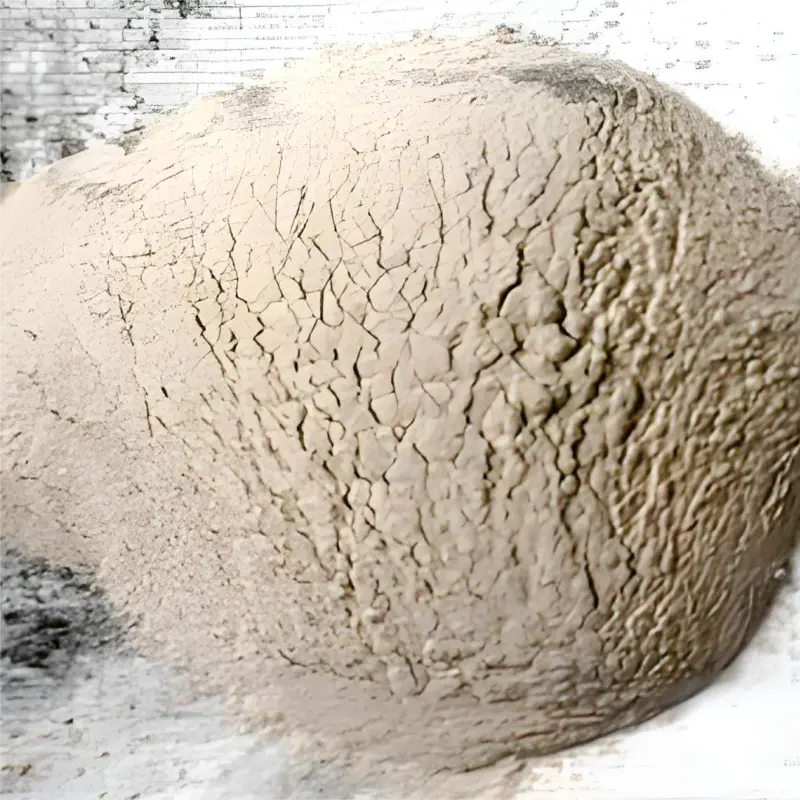
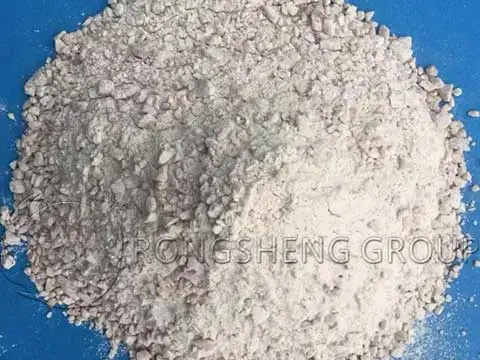
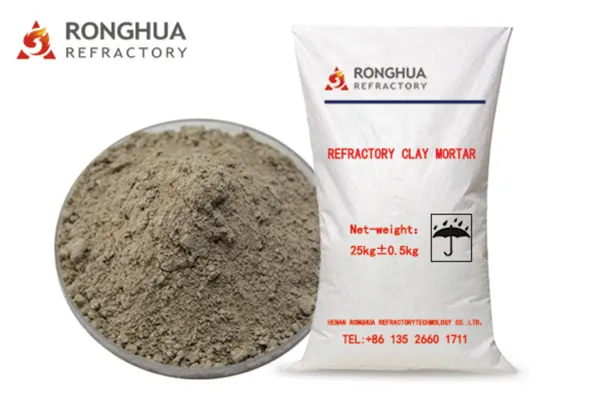
Rongsheng Refractory’s silicate ramming mass is engineered around high-quality quartz aggregate and a controlled formulation approach designed to build a dense working lining after ramming. For high-temperature sections in steel and aluminum operations, the practical objective is straightforward: maintain lining integrity at heat, resist penetration, and keep the working surface stable over time.
Reference performance data (typical operating range)
Metric
Typical Value
What It Means in Production
Service temperature
1600–1700 °C
Supports stable lining behavior in high-heat zones under sustained exposure.
Stable use time (continuous)
Up to 30 hours
Helps maintain operational continuity during demanding cycles and high-load periods.
Application method
Manual or mechanized ramming
Reduces dependency on highly variable manual craftsmanship; improves repeatability.
Raw material base
Quartz aggregate + precision formulation
Aims for tighter structure after compaction, improving resistance to infiltration and wear.
Note: Actual results depend on furnace design, slag chemistry, heating schedule, and installation density/compaction control.
What buyers usually evaluate first (and why it matters)
In metallurgical procurement, “heat resistance” is a baseline. The real differentiators are how the lining behaves during thermal shock events, how well it maintains a dense working layer after ramming, and whether it supports cleaner melt practices by reducing avoidable contamination pathways.
By focusing on aggregate quality and formulation control, Rongsheng Refractory positions this silicate ramming mass as a practical option for plants aiming to balance campaign stability, installation efficiency, and process cleanliness.
Steel & Aluminum Applications: Where the Value Shows Up
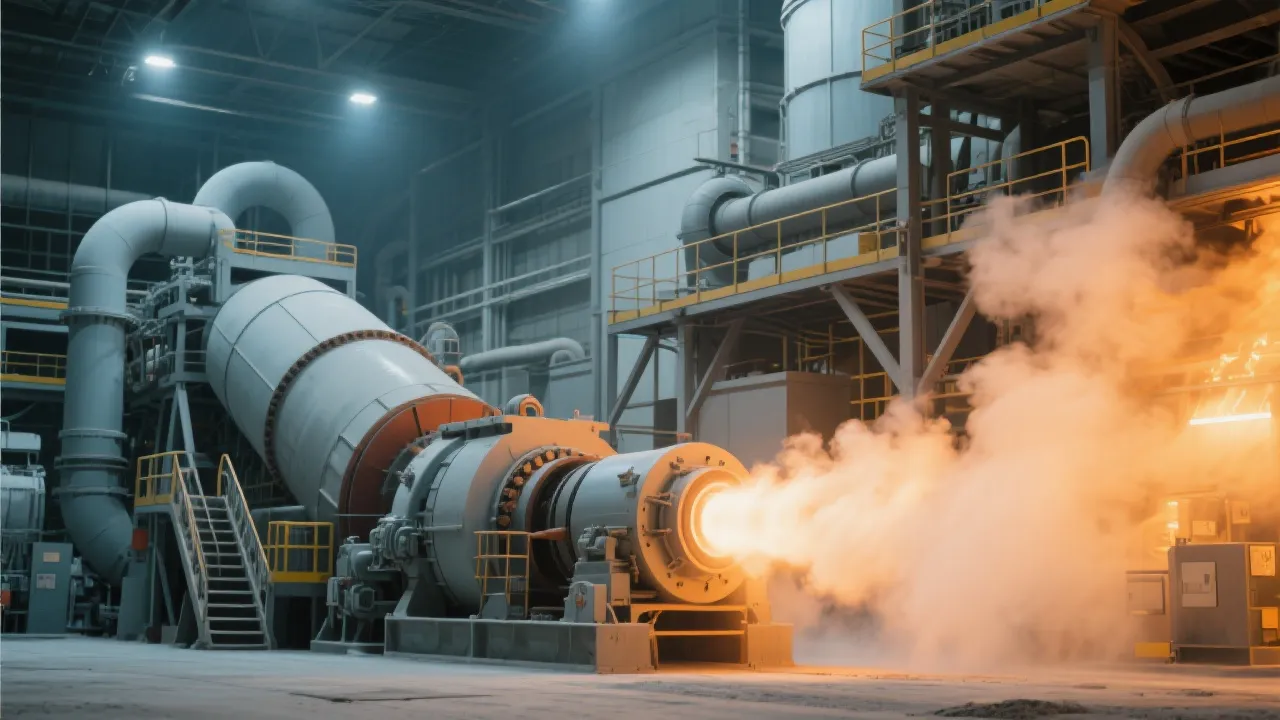
Steel and aluminum operations share the same basic challenge: maintaining a reliable refractory interface at high temperature while minimizing unwanted reactions or inclusions. Silicate ramming mass is often selected for zones where dense compaction and repair-friendly installation can improve operating continuity.
In steelmaking: supporting cleaner melts and continuous production
For clean steel objectives, refractory stability is tied to contamination risk control. A compacted ramming mass lining can help reduce micro-gaps and weak interfaces where molten steel infiltration may begin. In practice, plants aim to keep lining wear predictable and avoid sudden shedding events that can increase non-metallic inclusions.
In aluminum processing: resisting high-temperature attack and maintaining operational rhythm
Aluminum operations often prioritize stable heat exposure performance and installation speed for relines or repairs. The ability to apply the material through mechanized ramming can help standardize lining density and reduce downtime variability—especially valuable when production schedules are tight.
Installation efficiency: where “ramming” becomes a cost lever
Many refractory projects lose efficiency not because of the material itself, but because of inconsistent installation. With ramming mass, buyers often look for a material that compacts well and supports mechanized application. In real operations, this can translate into more repeatable lining quality, reduced rework, and smoother commissioning—benefits that directly affect throughput.
What Makes It Different vs. Traditional Choices (Without Overpromising)
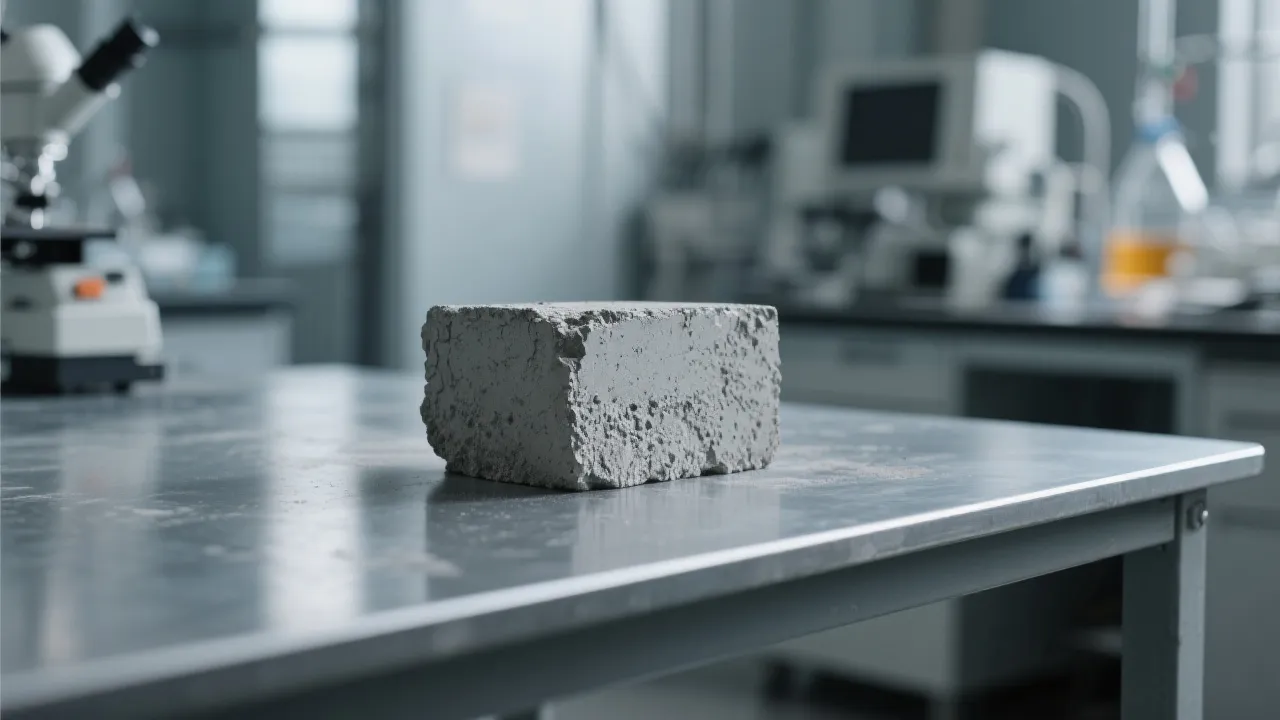
Traditional refractory solutions can work well in stable conditions, but in high-demand metallurgical environments the weak point is often the interface: joints, gaps, or density inconsistency after installation. A ramming mass approach addresses this by emphasizing compaction-driven structure—a practical pathway toward reduced penetration and steadier wear patterns.
Operational advantages buyers commonly target
Lower contamination risk: a denser working layer can help reduce infiltration pathways—important for clean steel production discipline.
Faster, more consistent installation: supports mechanized ramming to reduce skill variability and improve repeatability.
High-temperature stability: designed for demanding zones with service temperatures in the 1600–1700 °C range.
Predictable operating window: stable use time up to 30 hours (typical reference) helps align maintenance planning with production schedules.
Trust Signals That Matter in Global B2B Purchasing
In cross-border sourcing, metallurgical buyers often evaluate suppliers on documentation, process consistency, and proven export capability—especially for consumables that directly influence furnace stability. Rongsheng Refractory operates under an ISO 9001 quality management framework and serves customers in 70+ countries, which helps reduce supplier qualification friction for international procurement teams.
A Practical Buyer Checklist for Silicate Ramming Mass Selection
Confirm your target zone’s peak operating temperature and thermal cycling frequency.
Clarify slag/metal contact conditions and cleaning practices to reduce infiltration risks.
Decide whether you will use manual or mechanized ramming, and define density/compaction criteria.
Request supplier support for installation guidance and commissioning recommendations.
Evaluate documentation and quality systems (e.g., ISO 9001) for cross-border compliance and consistency.
Get the Right Silicate Ramming Mass Specification for Your Furnace Zone
If your goal is higher thermal stability, cleaner melt control, and installation efficiency, Rongsheng Refractory can share recommended application parameters based on your temperature range, process type (steel/aluminum), and lining layout.
2026-01-29|242|customizable refractory castable high temperature refractory material high alumina castable industrial furnace lining solution silicon carbide refractory