Procurement Decision Guide: Rongsheng Ceramic Fiber Blanket vs. Alternatives for High-Temperature Insulation
2026-02-28
Purchasing Decisions
This procurement-focused guide compares high-temperature insulation options and highlights why Rongsheng Refractory’s ceramic fiber blanket stands out for industrial users seeking reliable thermal protection. Designed for demanding furnace and kiln environments, it supports service temperatures up to 1770°C and delivers strong thermal stability for long-term operation. With CE and ISO certifications, the product aligns with common compliance and quality expectations across global supply chains. In practical applications—such as lining upgrades for heat-treatment equipment and insulation retrofits in metallurgical and petrochemical units—users target reduced heat loss, more stable temperature control, and improved operational reliability. For companies in high-temperature industries evaluating refractory and insulation materials, Rongsheng ceramic fiber blanket is positioned as a dependable choice that helps strengthen plant performance and enhance overall competitiveness.
Purchasing Decision Playbook: Why Rongsheng Ceramic Fiber Cotton Stands Out in High-Temperature Insulation
In high-temperature industries, insulation is rarely a “nice-to-have.” It becomes a measurable factor in energy cost, uptime, and safety compliance. When procurement teams compare high-temperature thermal insulation materials, differences in temperature rating, thermal stability, installation efficiency, and documentation can quickly separate a low-risk choice from a costly compromise.
Zhengzhou Rongsheng Refractory Materials Co., Ltd.’s ceramic fiber cotton is positioned for buyers who need reliable performance at extreme temperatures—up to 1770°C—while also requiring CE and ISO credentials for smoother supplier approval and audit readiness.
1) What Procurement Should Compare (Beyond the Datasheet Headline)
For ceramic fiber cotton and related refractory insulation, purchasing decisions often fail when teams compare only the maximum temperature label. A stronger evaluation framework looks at performance under real operating conditions and the total cost of ownership (TCO).
Decision Criteria Checklist (Buyer-Friendly)
- Service temperature & safety margin: compare rated vs. continuous operating temperature and peak exposure risks.
- Thermal conductivity at temperature: check values at 400°C / 800°C / 1000°C (not only at ambient).
- Thermal stability: resistance to shrinkage and fiber degradation during cycling.
- Installation efficiency: packing uniformity, recovery, ease of forming and filling hot-face voids.
- Compliance package: CE/ISO, traceability, inspection reports, consistent batch control.
- Supply reliability: lead time stability, export documentation quality, after-sales responsiveness.
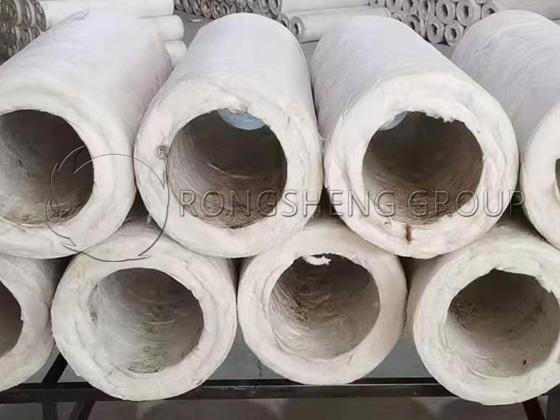
2) Rongsheng Ceramic Fiber Cotton: The Performance Argument
Rongsheng ceramic fiber cotton is designed for demanding high-temperature insulation scenarios. Its standout feature is high heat resistance—up to 1770°C—which is particularly relevant for buyers managing abnormal events such as localized hotspots, burner misalignment, or thermal shock during start-stop operations.
High-Temperature Margin That Reduces Risk
In industries like ceramics, metallurgy, and heat treatment, a higher temperature capability isn’t only about extremes—it provides margin against process variability. A conservative safety margin can reduce emergency maintenance events and help stabilize production quality.
Thermal Stability for Cyclic Operations
Thermal cycling is one of the fastest ways to expose weak insulation. Buyers typically look for stable structure and controlled shrinkage over time. In practical procurement terms, better thermal stability means fewer unplanned relines and more predictable shutdown schedules.
Certification & Supplier Readiness
With CE and ISO compliance support, Rongsheng aligns with common supplier onboarding workflows in the EU and many multinational groups—helping procurement reduce time spent on qualification, paperwork back-and-forth, and internal approval loops.
3) Side-by-Side Comparison: Where the Differences Usually Show Up
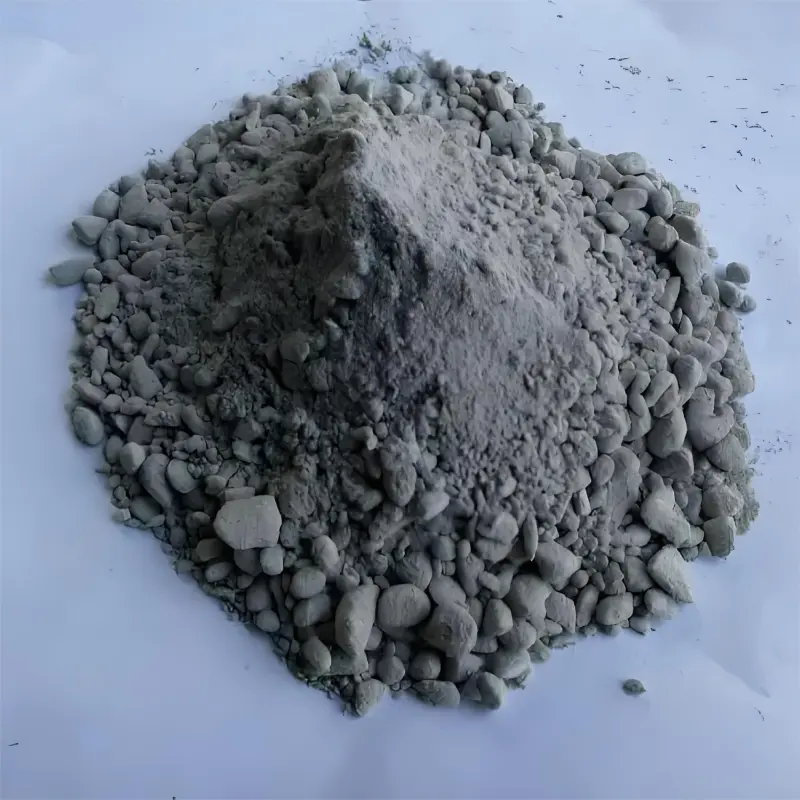
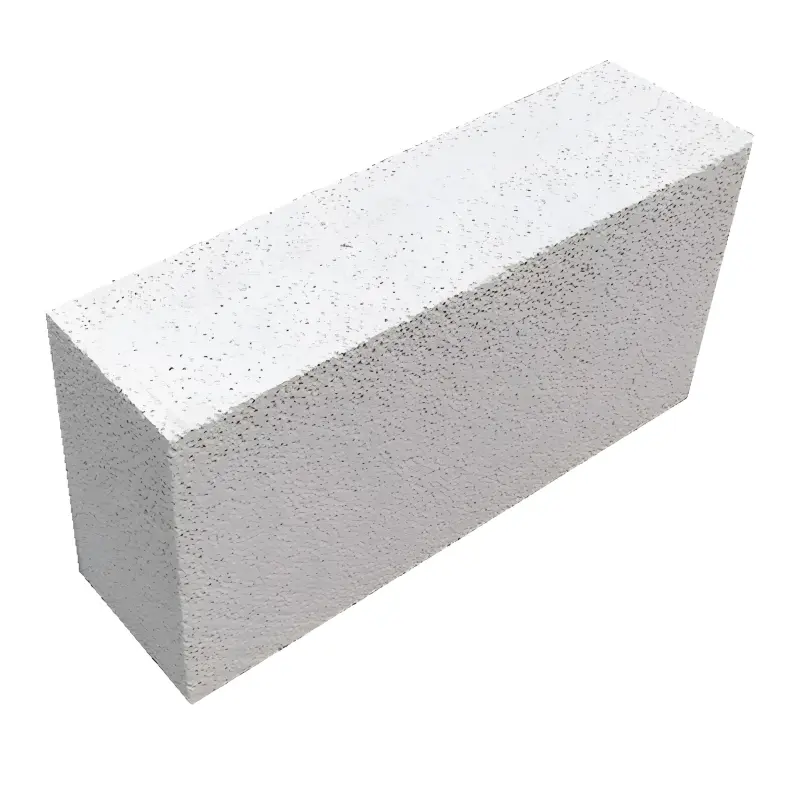
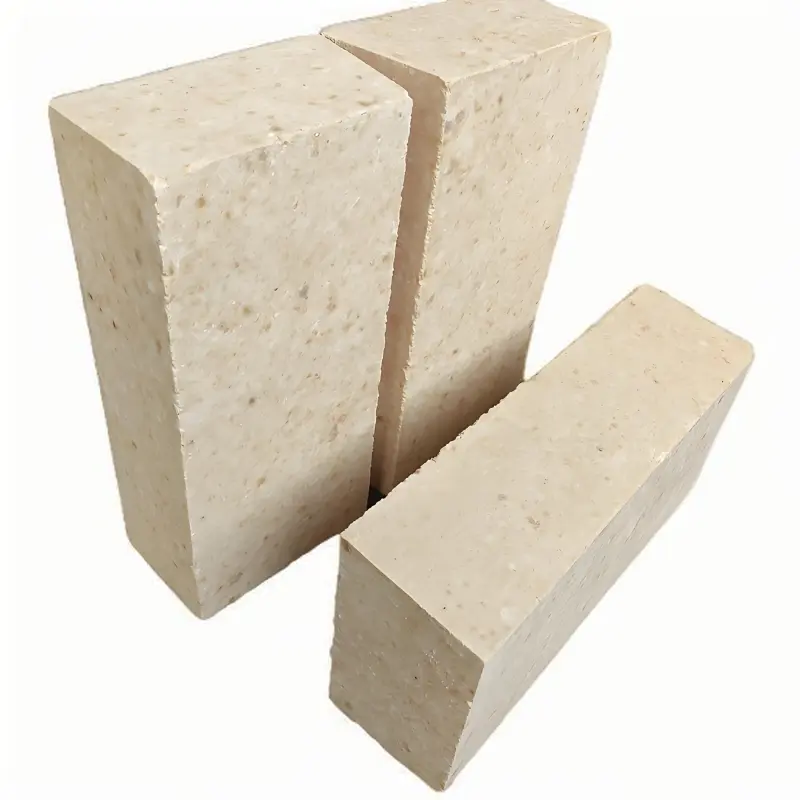
Ceramic fiber cotton is often evaluated alongside calcium silicate, mineral wool/rock wool, and insulating firebrick (IFB). Each material can be suitable in specific thermal zones, but they behave differently under extreme heat and frequent cycling.
| Material | Typical Max Use Temp (°C) | Thermal Conductivity (W/m·K)* | Strengths | Procurement Watch-outs |
| Rongsheng Ceramic Fiber Cotton | Up to 1770 | ~0.10 @ 600°C / ~0.16 @ 1000°C | High-temp margin, good thermal stability, flexible filling & layering | Specify density/grade and packaging to match installation method |
| Calcium Silicate Board | ~650–1000 | ~0.10–0.13 @ 200°C | Rigid, easy to cut, good for moderate temp backup insulation | Not ideal for extreme hot-face zones; brittle under shock |
| Mineral Wool / Rock Wool | ~600–800 | ~0.045–0.060 @ 200°C | Cost-effective for lower-temp industrial insulation | Limited for very high temperatures; performance loss with heat aging |
| Insulating Firebrick (IFB) | ~1260–1430 (grade-dependent) | ~0.20–0.35 @ 1000°C | Structural support, abrasion resistance, stable geometry | Higher heat loss vs fiber; heavier; longer install time |
*Reference values vary by density/grade and test method. Procurement should request supplier test reports at relevant operating temperatures.
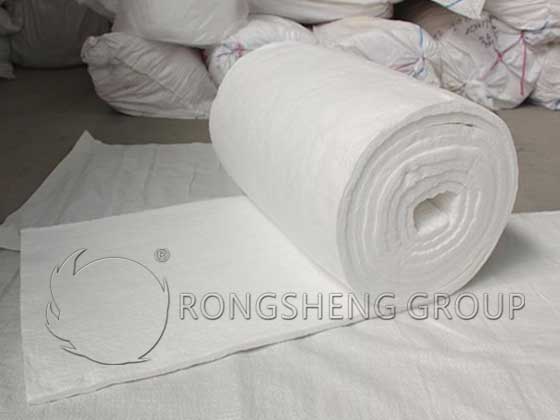
4) TCO Thinking: Where the Payback Typically Comes From
Procurement teams increasingly justify insulation upgrades through measurable operational outcomes. While exact results depend on furnace type, lining design, and duty cycle, high-performance fiber insulation commonly delivers value through reduced heat loss, shorter heat-up time, and fewer thermal instability events.
Reference Impact Ranges (Common in Industrial Practice)
- Energy reduction: 5–15% improvement after insulation optimization in high-temp furnaces (depending on baseline and heat loss profile).
- Shell temperature drop: often 30–80°C reduction when replacing degraded insulation and sealing hot spots.
- Maintenance interval: extended relining cycles by 10–25% when thermal stability and installation quality are improved.
These ranges are provided for procurement planning and ROI discussion; site validation is recommended using thermography, energy metering, and post-install monitoring.
5) A Practical Case Snapshot (How Buyers Use the Data)
A mid-size heat-treatment operation in Southeast Asia (batch furnace, intermittent duty cycle) reported recurring hot spots near burner zones and inconsistent temperature uniformity after several months of operation. The procurement objective was not only to “buy insulation,” but to reduce unplanned stoppages and stabilize process repeatability.
What Was Changed
The team used ceramic fiber cotton to reinforce vulnerable areas and improve sealing at joints and irregular spaces where rigid materials were difficult to fit. The supplier documentation (including compliance-related files) also helped shorten internal approval time.
Observed Results (Internal Monitoring)
- Shell temperature: decreased by approximately 45°C near the hotspot zone after relining and sealing.
- Fuel consumption: reduced by about 8% over the next two months (normalized by production load).
- Downtime: fewer emergency interventions during peak weeks, improving delivery reliability.
Results vary by furnace design, duty cycle, and installation quality; procurement should request application guidance and recommended installation practices.
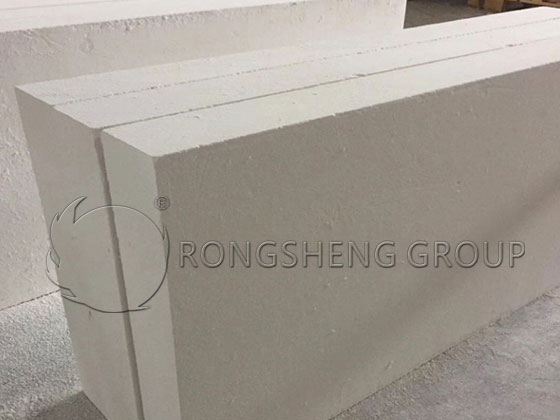
6) Procurement Tips: How to Specify Ceramic Fiber Cotton Like a Pro
Buyers can reduce risk by writing specifications that match real operating conditions rather than generic labels. This is especially important for high-temperature thermal insulation materials used in multi-layer lining systems.
Specify the Operating Profile
Include continuous operating temperature, peak excursions, heating/cooling cycles per week, and atmosphere notes (oxidizing conditions, dust exposure). This helps align grade selection with real stress factors.
Ask for Test Data at Relevant Temperatures
Request thermal conductivity values at operating temperature bands (e.g., 600°C and 1000°C), plus shrinkage/linear change after heat exposure—this is where performance differences become procurement-relevant.
Document Control Matters
For international purchasing, ensure the supplier can provide consistent batch traceability, packing lists, and compliance documentation aligned with your QA/QC process. This reduces customs and audit friction.
Ready to Upgrade Your High-Temperature Insulation Reliability?
For procurement teams in furnaces, kilns, metallurgy, petrochemical, and heat-treatment sectors, choosing a high-temperature insulation partner is a competitive decision. Rongsheng ceramic fiber cotton supports extreme-temperature operations with high heat resistance, stable performance, and export-ready documentation.
Request Specifications & Application Support for Rongsheng Ceramic Fiber Cotton Typical procurement package: technical datasheet, compliance documents (CE/ISO), and application guidance for your thermal zones.
FAQ
What industries commonly use Rongsheng ceramic fiber cotton?
It is widely used in high-temperature insulation zones across industrial furnaces and kilns, heat-treatment equipment, metallurgy processes, petrochemical thermal systems, and other refractory applications where heat loss control and thermal stability are critical.
Is 1770°C suitable for continuous operation?
Procurement should distinguish between maximum temperature rating and continuous operating conditions. The 1770°C rating indicates high heat resistance and strong safety margin; the correct grade selection should be based on your continuous temperature, peak excursions, and thermal cycling frequency.
What documents should buyers request for compliance and QA?
Common requests include the product datasheet, batch traceability information, inspection reports, and certification support files such as CE and ISO-related documentation. This helps align with internal supplier qualification and audit requirements.
How can ceramic fiber cotton reduce total cost of ownership (TCO)?
By improving insulation effectiveness and sealing irregular gaps, it can reduce heat loss and mitigate hotspot-related maintenance. Many industrial upgrades report energy improvements in the 5–15% range and measurable shell-temperature reductions, depending on baseline lining condition and installation quality.
What specification details help ensure the right purchase?
Buyers should provide operating temperature profile (continuous and peak), duty cycle, atmosphere notes, and target thermal zones. It is also recommended to request thermal conductivity and shrinkage/linear-change data at temperatures close to actual operating conditions.