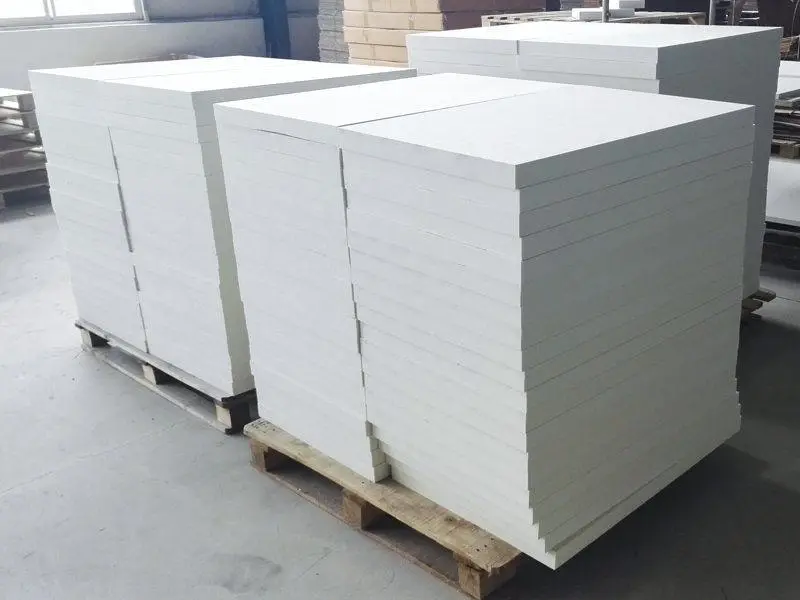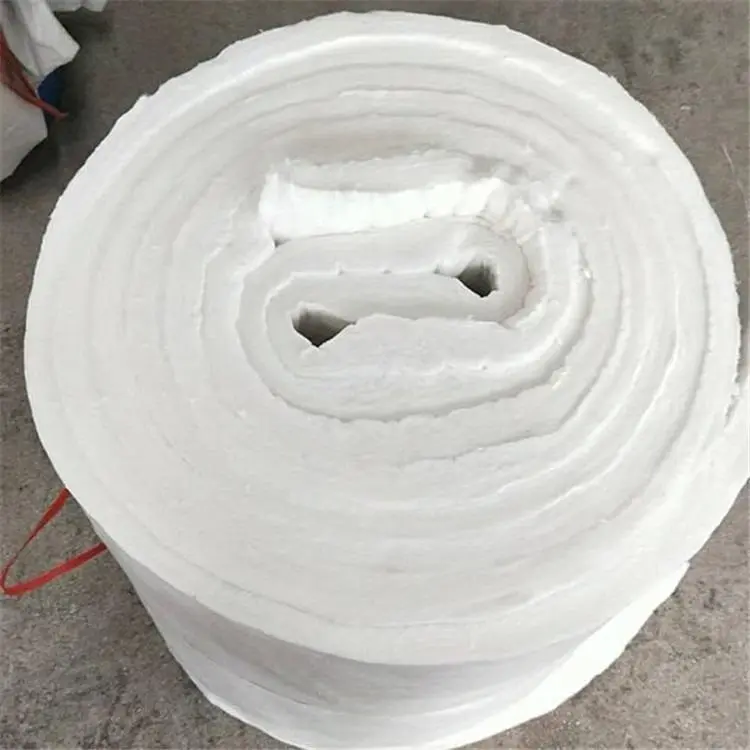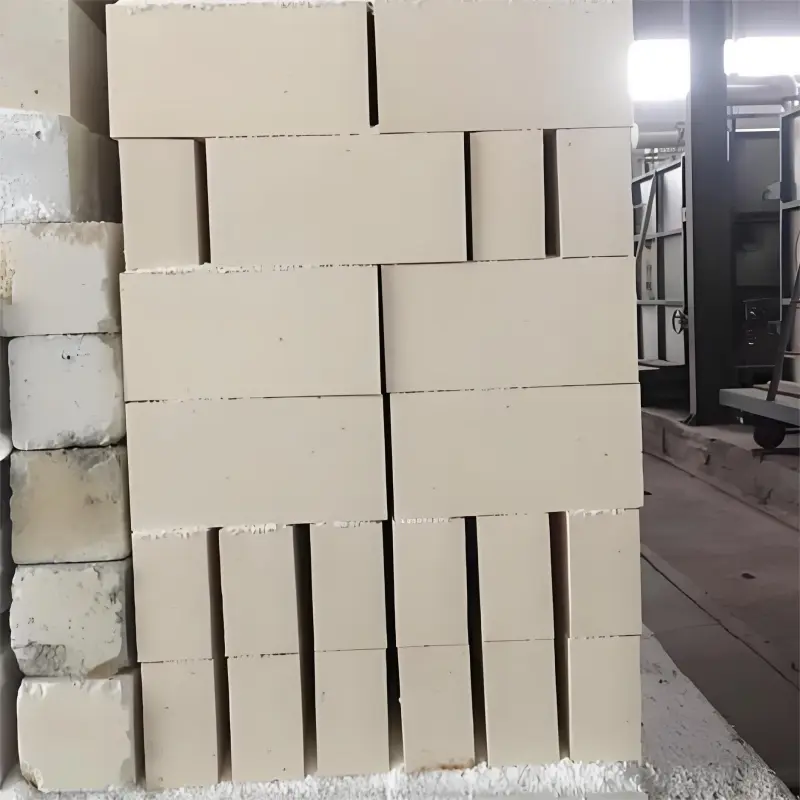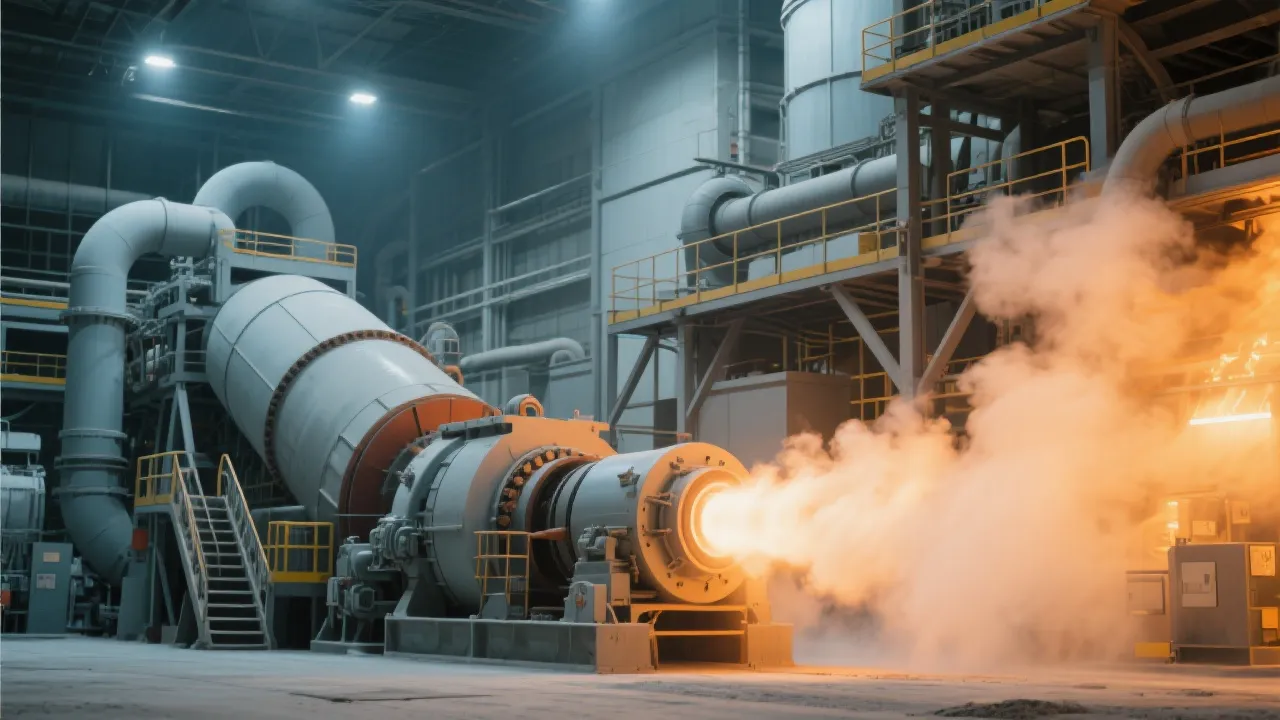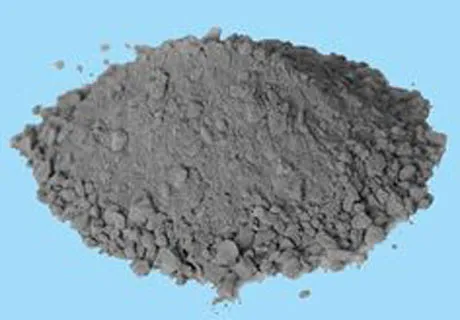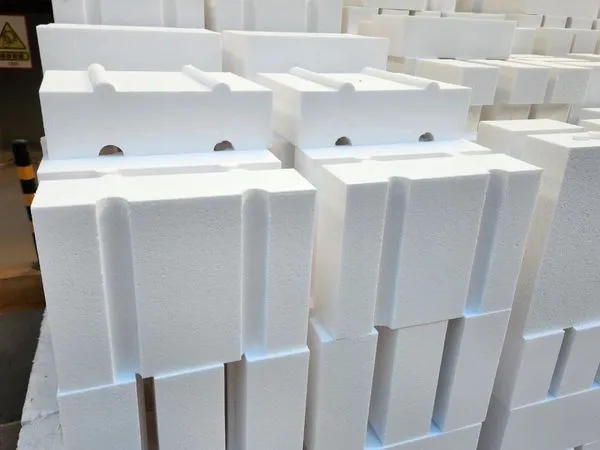
In glass melting furnaces, metallurgical furnaces, ceramic kilns, and high-temperature reactors, refractory materials are not simply "consumables": they often determine the frequency of equipment shutdowns, thermal efficiency, maintenance costs, and safety limits. A common engineering misconception is focusing solely on "refractory strength" or "maximum operating temperature," while neglecting three key indicators that determine service life: compressive strength , coefficient of thermal expansion , and corrosion resistance .
The following text uses engineering logic closer to the field to explain how these three indicators "interact" to affect lifespan, and combines the microstructure characteristics of cast mullite bricks to provide an actionable framework for material selection, helping industrial users choose the right direction at the cognitive stage.
Failure of any high-temperature lining is usually not due to a single cause, but rather the result of the combined effects of load-bearing, temperature difference, and media : long-term compressive stress caused by the kiln's own weight and the pressure of the feed column; thermal shock and thermal gradient caused by kiln start-up and shutdown, feed change, and tuyer fluctuations; and continuous erosion, penetration, and reaction by media such as molten glass, alkali metal vapor, and iron/calcium-containing slag. Corresponding to material properties, the most important parameters to be verified in engineering are:
Quotation Box | Engineering Consensus <br>Most kiln lining failures are due to "multi-factor coupled failure." Under the same refractoriness, the ability to control thermal stress and media penetration is often a better predictor of lifespan performance than the "nominal maximum temperature." Selection recommendations should focus on operating conditions and verify each item along the "mechanical-thermal-chemical" lines.
Compressive strength is often understood as "the higher the strength, the stronger it is," but in high-temperature service, the key factors are the strength retention rate at high temperatures and long-term creep resistance . For example, materials with high compressive strength at room temperature will experience a significant decrease in strength if the crystal phase softens or the pore structure is destroyed by the medium at high temperatures. This will eventually manifest as: dome subsidence, pool wall bulging, corner chipping of the working layer, and crack propagation that eventually penetrates the surface.
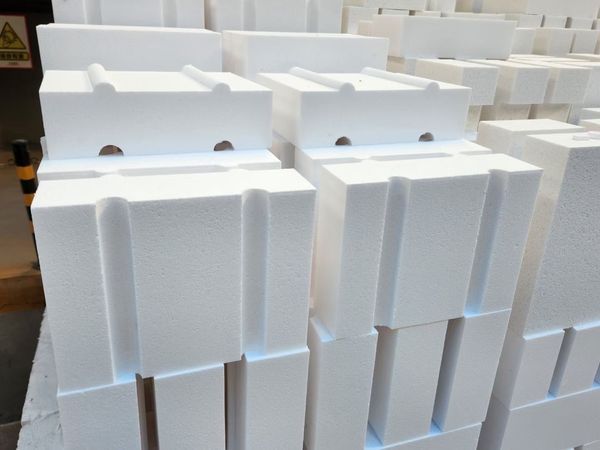
During project acceptance, it is recommended to consider both "room temperature compressive strength" and "high temperature volume stability/creep index" together. Industry experience shows that materials with high density, low porosity, and stable crystal phase are more likely to maintain structural integrity under high temperature and load coupling conditions.
The coefficient of thermal expansion (CTE) affects not only "dimensional changes" but also the level of thermal stress . When there is a temperature gradient in the lining (such as the temperature difference between the hot and cold sides, or the local flame erosion zone), the material will generate stress due to the limited expansion. If the thermal expansion is not matched with that of adjacent materials (such as the backing, insulation layer, and metal anchors), the stress will concentrate at the interface, and cracks often start from these locations.
Taking kiln lining as an example, the hot side heats up faster and expands more, while the cold side expands less due to the constraints of the steel shell and structure—this creates a superposition of tensile and shear stresses within the material. If the material's CTE is too high or its thermal shock resistance is insufficient, microcracks will gradually expand during repeated start-ups and shutdowns, eventually leading to spalling, brick falling off, or increased penetration.
Engineering Tips: When the kiln starts and stops frequently, the flame fluctuates greatly, or there is rapid cooling (such as in some metal smelting conditions), it is recommended to prioritize the selection of material systems with more controllable CTE, more uniform structure, and better thermal shock resistance, and to conduct an overall design for the expansion matching of the "working layer - transition layer - insulation layer".
In glass melting furnaces, slag line zones, and molten metal contact zones, corrosion resistance is often the "hard upper limit" of lifespan. This is because once reactive corrosion (the formation of low-melting-point reactive phases) and penetrating corrosion (the entry of molten media into pores) occur, the material will not only become thinner, but will also experience a chain reaction of effects such as loosening of the structure, decrease in strength, and changes in thermal conductivity, ultimately negating the advantages of the first two indicators.
Reference Box | Testing and Evaluation Recommendations <br> During the procurement and technical review phase, it is recommended that "corrosion resistance" be implemented through verifiable testing methods, such as static crucible method, dynamic slag corrosion method, penetration depth measurement, and changes in residual strength and apparent porosity after corrosion. Simply looking at "refractory resistance" is insufficient to predict the true lifespan of the slag line/molten glass contact zone.
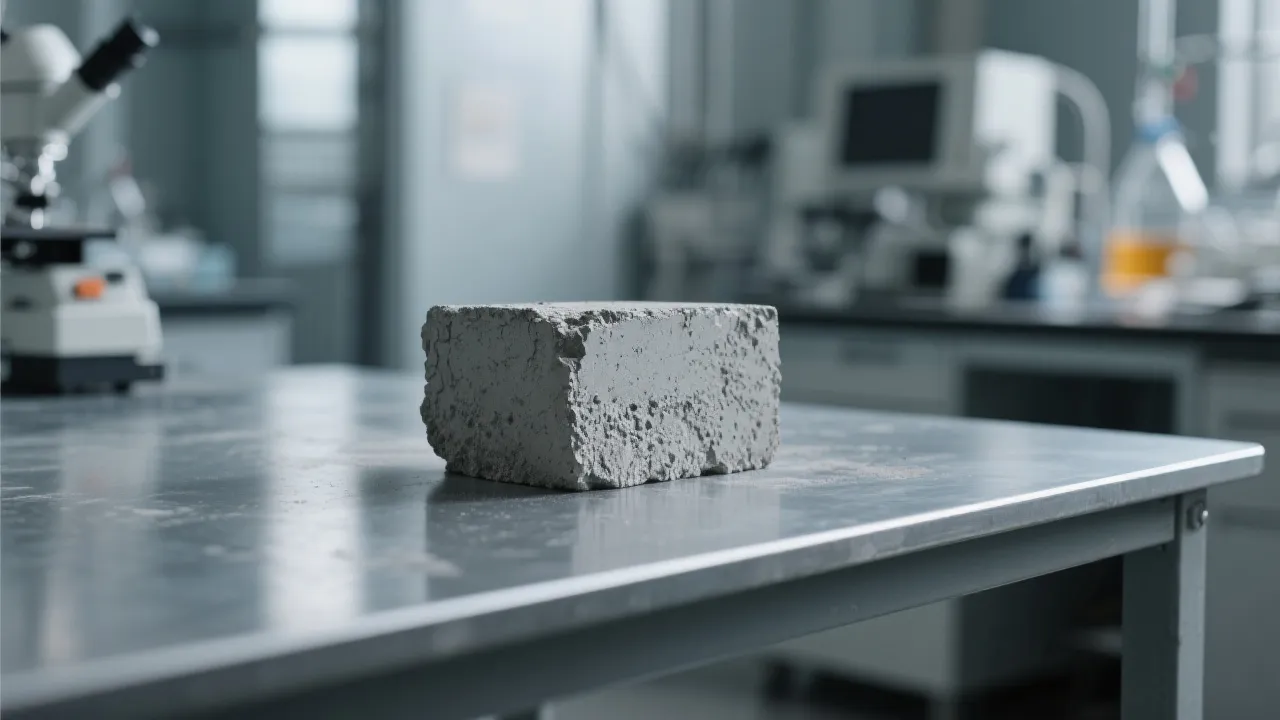
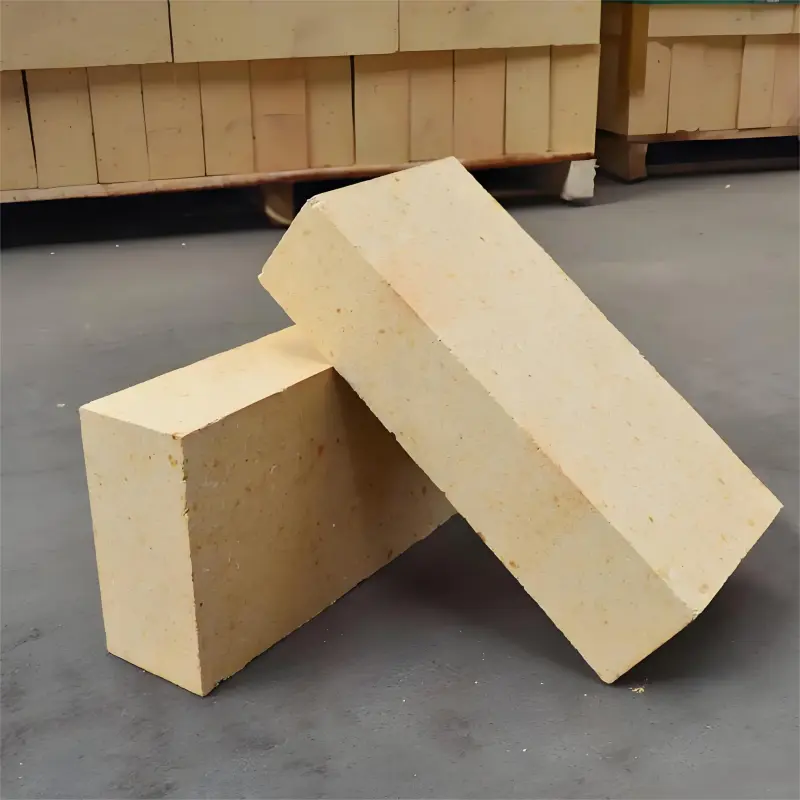
From a materials science perspective, fused cast refractories typically exhibit higher density and a lower proportion of interconnected pores, giving them an advantage in the "penetration-reaction-strength decay" chain. Taking fused cast mullite bricks as an example, their denser structure and better chemical stability allow them to maintain good mechanical properties even under extreme high-temperature conditions (specific performance requires verification based on formulation and operating conditions). This is a key reason why they have garnered widespread attention in glass melting furnaces and high-temperature metallurgical applications.
| Comparison Dimensions | Traditionally fired high-alumina/mullite bricks (reference range) | Cast mullite bricks (reference range) |
|---|---|---|
| Apparent porosity | Approximately 14%–22% | Approximately 3%–8% |
| room temperature compressive strength | Approximately 60–110 MPa | Approximately 120–200 MPa |
| Anti-penetration/anti-molten glass corrosion | Medium (more dependent on construction and density) | Superior (dense tissue is more advantageous) |
| thermal expansion coefficient control | It is greatly affected by the formula and firing fluctuations. | Tissue homogeneity is more conducive to stability |
| Typical application areas | General working layer, transition layer, and non-corrosive areas | Glass melt contact area, corrosion-sensitive area, critical structural area |
Note: The above are common reference ranges in the industry for understanding and initial screening; specific parameters should be based on supplier quality inspection reports, batch testing and operating condition verification (temperature regime, medium composition, flow rate, pressure and construction quality will significantly affect the results).
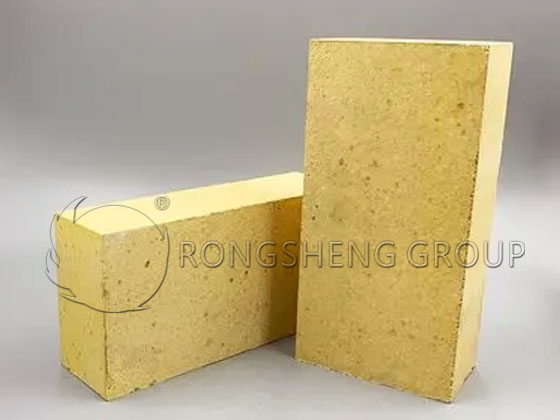
Key areas to watch: corrosion resistance (molten glass/volatiles), low porosity (impermeability), and high-temperature strength retention . For production lines with frequent start-stop cycles, also monitor CTE matching and thermal shock risks.
Key areas to consider: slag corrosion and erosion resistance (dynamic conditions), residual strength after corrosion, and construction joint design. The evaluation of these indicators should utilize test calibers that more closely reflect the slag composition and temperature regime.
Key points to consider: coefficient of thermal expansion and thermal shock resistance , as well as chemical stability under different atmospheres (oxidation/reduction/alkali vapor); avoid the mismatch of "materials are very resistant to high temperatures but not to different atmospheres".
In the annual maintenance of many high-temperature equipment, what really troubles the factory is not "single material replacement", but the chain reaction of unplanned shutdowns and local failures : an erosion pit in the slag line area may induce changes in the temperature field, which in turn amplifies thermal stress; a through crack will become a medium penetration channel, causing the originally acceptable strength to decay rapidly.
Therefore, more and more projects are adjusting their material selection strategy for critical areas to " use denser, more corrosion-resistant, and high-temperature stable materials in the most vulnerable locations , and reduce thermal stress concentration through transition layers and expansion matching." Under this approach, fused cast mullite bricks are often used in erosion-sensitive areas as "life leverage points," rather than blindly piling materials throughout the furnace.
 385
|
385
|
 direct bonded magnesia-chrome bricks magnesia-chrome brick lifespan improvement cement kiln refractory bricks high-temperature industrial refractory comparison refractory material thermal shock resistance
472
|
customizable refractory castables high temperature refractory materials bauxite refractory castable industrial furnace lining silicon carbide castable
111
|
customized refractory bricks high-alumina refractory industrial refractory materials high-temperature refractoriness refractory materials customization
500
|
High - alumina refractory bricks Refractory material selection Industrial refractory bricks High - temperature refractory materials Refractory brick customization
390
|
silicate ramming mix metallurgical refractory materials high-temperature refractory 1600-1700C quartz aggregate ramming refractory clean steel continuous casting
direct bonded magnesia-chrome bricks magnesia-chrome brick lifespan improvement cement kiln refractory bricks high-temperature industrial refractory comparison refractory material thermal shock resistance
472
|
customizable refractory castables high temperature refractory materials bauxite refractory castable industrial furnace lining silicon carbide castable
111
|
customized refractory bricks high-alumina refractory industrial refractory materials high-temperature refractoriness refractory materials customization
500
|
High - alumina refractory bricks Refractory material selection Industrial refractory bricks High - temperature refractory materials Refractory brick customization
390
|
silicate ramming mix metallurgical refractory materials high-temperature refractory 1600-1700C quartz aggregate ramming refractory clean steel continuous casting