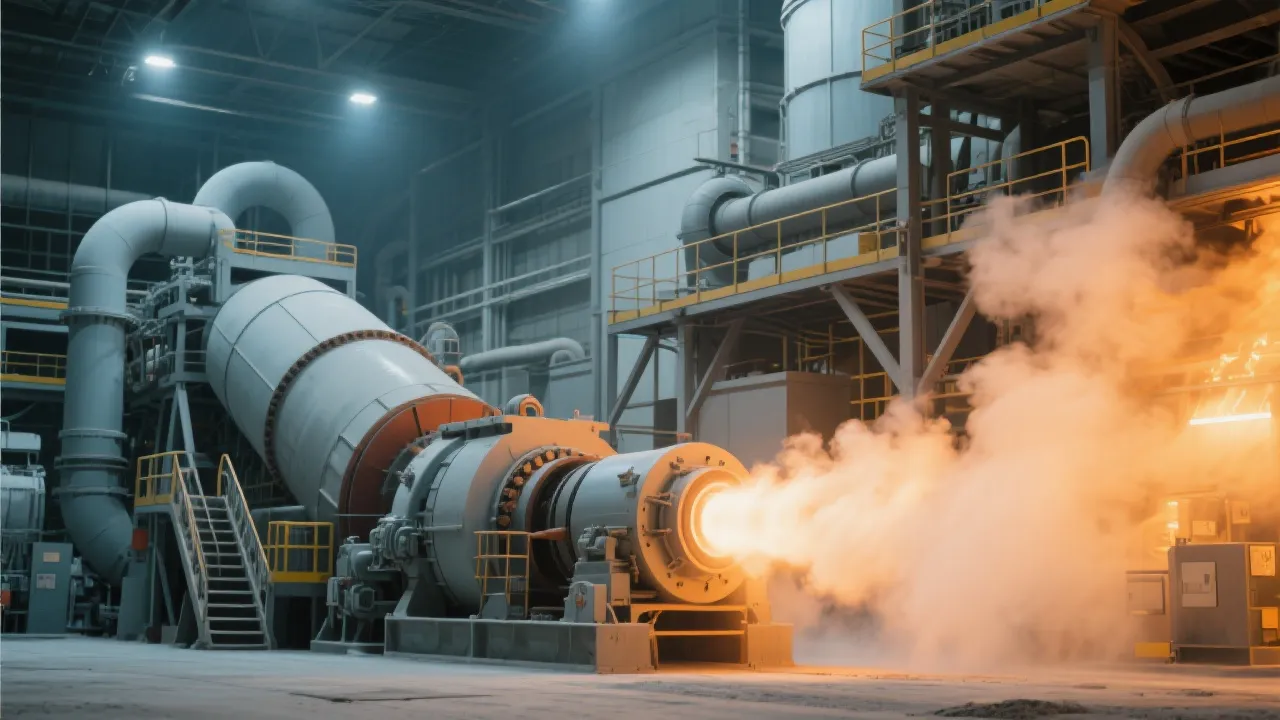
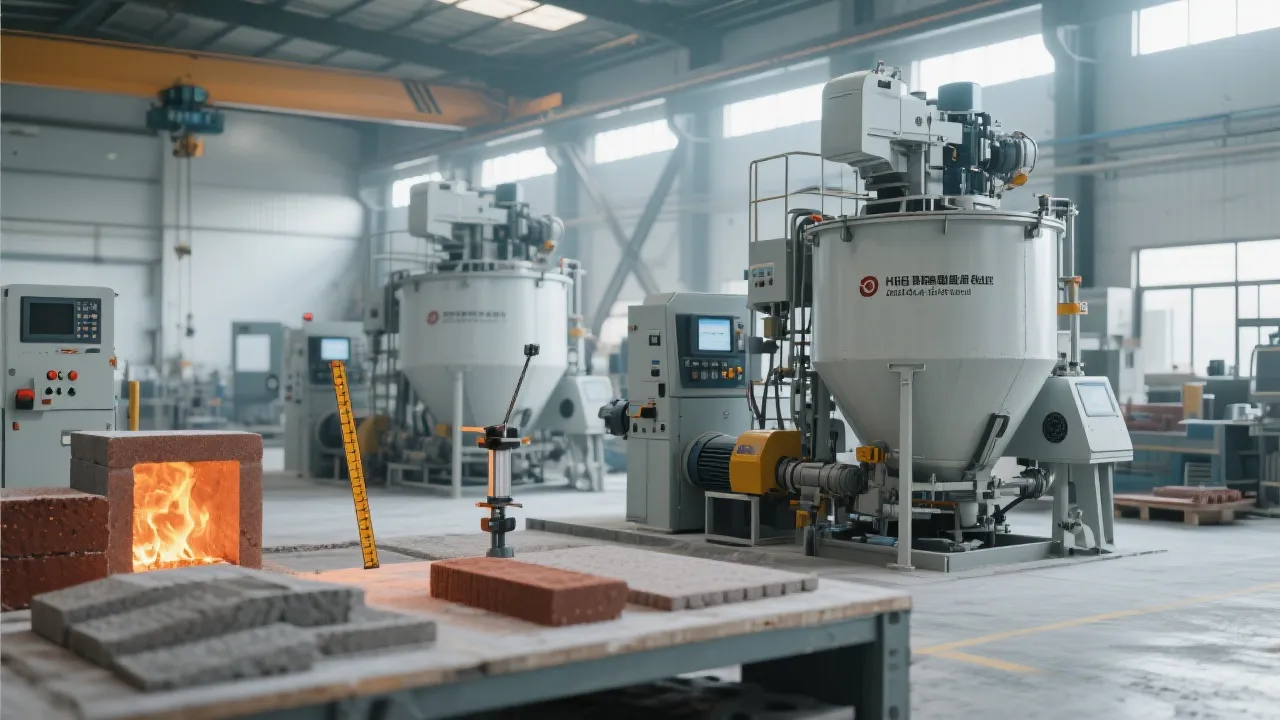
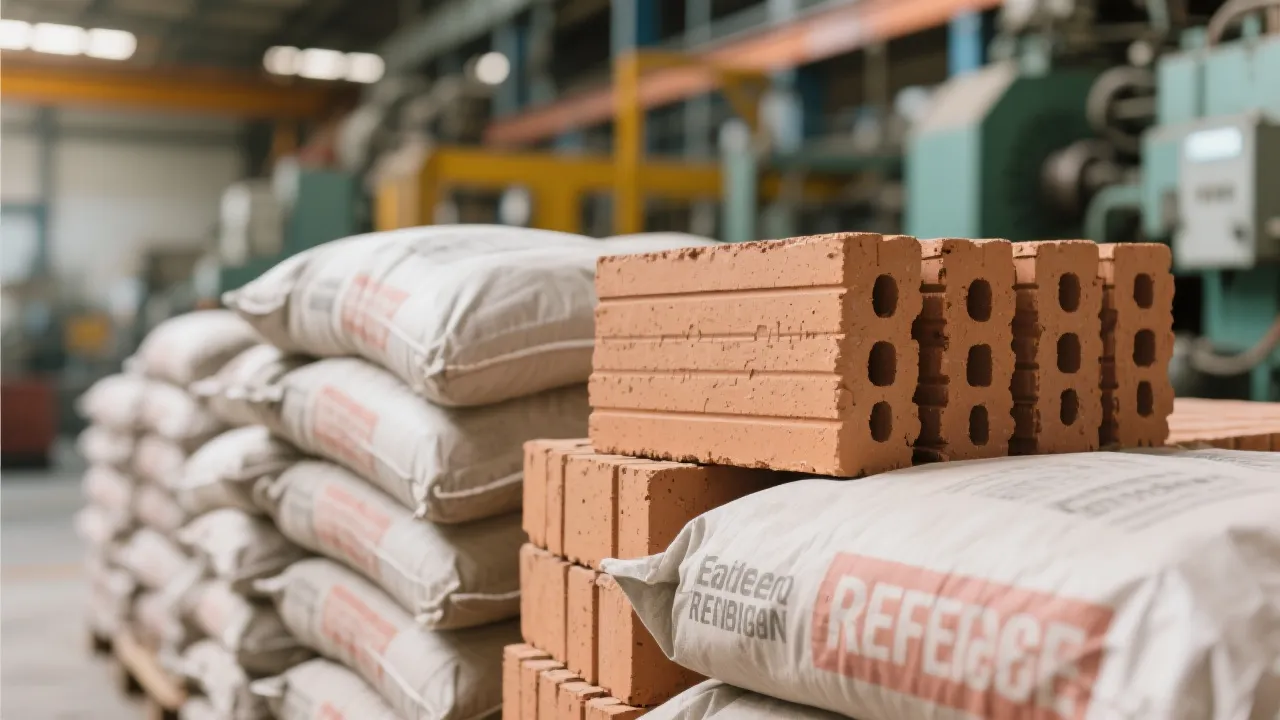
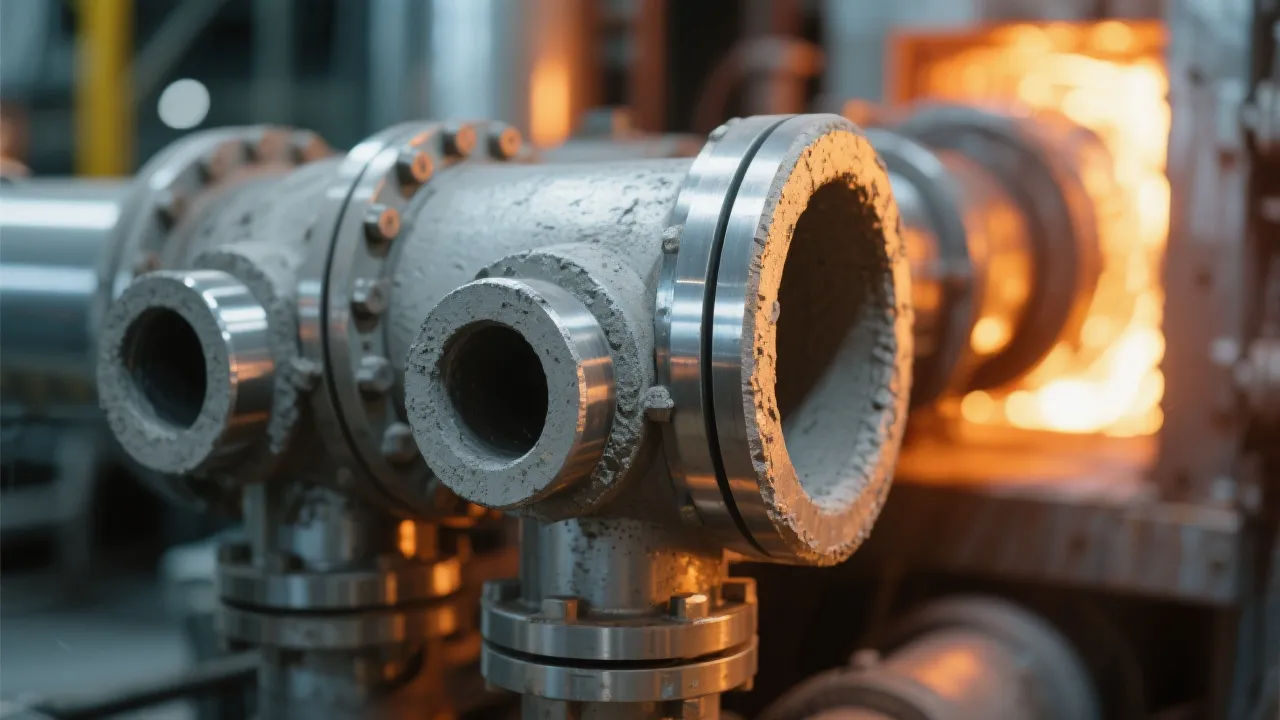
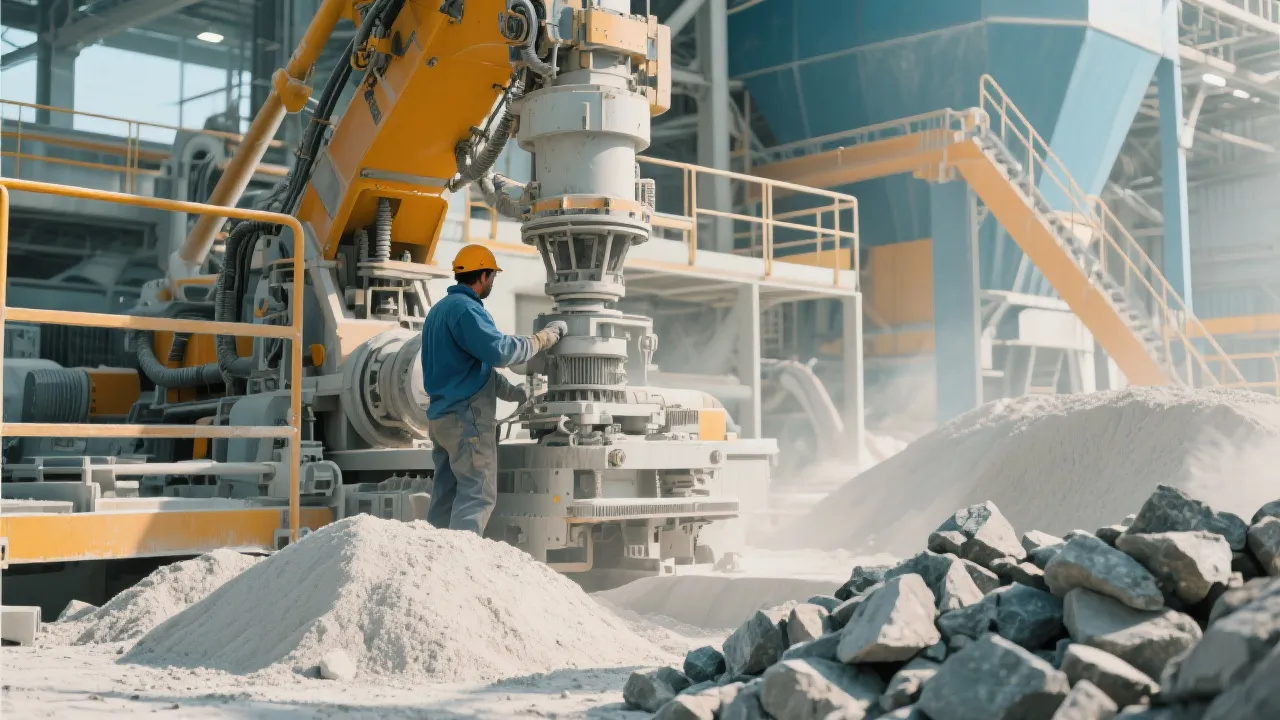
When you run a metallurgical furnace, “insulation” is not a single-material decision—it is a system decision. Your lining must balance heat loss, shell temperature, thermal cycling, installation speed, and long-term stability under aggressive furnace atmospheres. This guide helps you evaluate options with engineering logic, then shows how alumino-silicate ceramic fiber blanket can be tailored to your furnace zone and operating pattern—designed for metallurgical furnaces, and built to make energy savings measurable.
In metallurgical operations, insulation failure is rarely caused by a single factor. More often, it’s the compound effect of thermal shock + mechanical vibration + repeated heat-up/cool-down. If your furnace is experiencing any of the issues below, the material choice is probably not aligned with your duty cycle:
For many users, dense refractories alone can resist high temperature, but they are not optimized for minimizing heat transfer. If your goal includes lower thermal conductivity, faster installation, and predictable performance, a fiber-based layer becomes a logical design element—not an optional add-on.
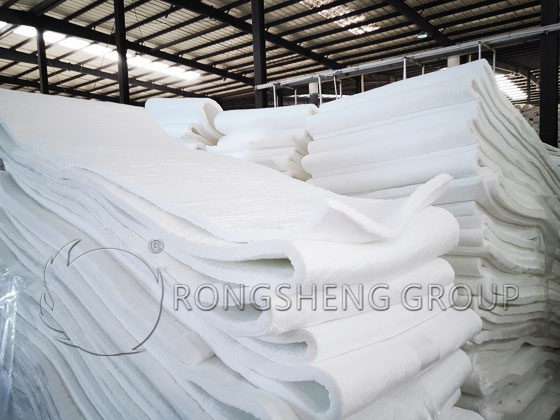
If you need an insulation layer that conforms to complex geometries and reduces heat loss without adding excessive mass, alumino-silicate ceramic fiber blanket is widely adopted across metallurgy, petrochemicals, and power generation. The value is not theoretical: it is measurable in lower shell temperature, reduced fuel/energy consumption, and shorter maintenance windows.
In day-to-day operation, improved insulation can translate into 5%–15% energy savings in many retrofit scenarios, especially where shell temperatures are high or where the furnace has significant surface area and intermittent operation. Your actual result depends on furnace type, operating temperature, insulation thickness, and sealing quality—this is why customization matters.
If you’re evaluating high temperature insulation materials for metallurgical furnace lining, a quick, engineering-friendly comparison helps you screen options before requesting technical drawings.
| Criteria | Alumino-Silicate Ceramic Fiber Blanket | Insulating Firebrick | Calcium Silicate Board |
|---|---|---|---|
| Thermal conductivity (typ.) | ~0.12–0.20 W/m·K @ 600°C | Higher (varies; often ~0.3+ W/m·K @ 600°C) | Moderate; temperature class dependent |
| Thermal shock / cycling | Excellent for frequent cycling | Fair to moderate | Moderate; can crack under severe cycling |
| Installation & conformity | Flexible; fits complex shapes, reduces gaps | Rigid; more joints, more potential heat paths | Rigid boards; clean but limited geometry fit |
| Weight / lining load | Low (commonly 96–128 kg/m³) | Higher | Medium |
| Best-use logic | Energy saving + fast maintenance + complex zones | Structural lining where rigidity is required | Back-up insulation in moderate temp zones |
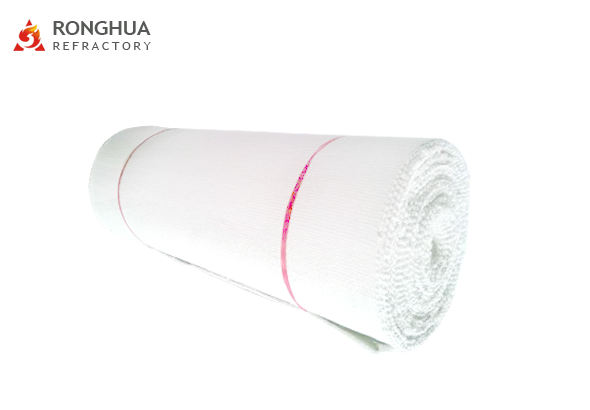
You don’t buy insulation “by category.” You buy it by zone, temperature profile, and maintenance rhythm. With ceramic fiber blanket, the most meaningful customization usually comes down to grade, density, thickness, and dimensions—so the lining performs consistently and installs with fewer weak points.
Steel ladle / tundish back-up insulation: prioritize low heat loss and stable thickness recovery after cycling; fiber blanket helps reduce heat leakage paths in tight spaces.
Reheating furnace / soaking zones: focus on surface temperature control and fast repairability; blankets can be layered for staged insulation and easier partial replacement.
Annealing furnace / intermittent operation: cycling resistance is key; fiber-based insulation often performs better where frequent start-stop drives thermal fatigue.
The practical goal is to reduce “unknowns” during commissioning: fewer gaps, tighter fit, and a controlled insulation stack-up. This is exactly where custom dimensions and thickness help—custom service makes every investment land precisely.

Downtime is expensive—especially when maintenance windows are fixed and production schedules are tight. Because ceramic fiber blanket is lightweight and flexible, you can typically:
If you’ve ever had a lining that looked fine on paper but still produced hot spots after start-up, the root cause is often installation realities. A material that conforms better can reduce the risk of localized failure—even before you start discussing thickness upgrades.
In B2B furnace projects, you are not only buying a roll of insulation—you are buying repeatability: stable quality, consistent batch performance, and documentation that supports internal approval and external audits. As a National High-Tech Enterprise, Rongsheng Refractory focuses on R&D and manufacturing of high-performance ceramic fiber blanket and supports customization for industrial engineering needs.
If your procurement checklist includes international quality management system compliance and predictable lead times, aligning with a manufacturer experienced in metallurgy applications reduces the risk of project delay and inconsistent site outcomes. Many global buyers also prioritize suppliers who can communicate in engineering terms—thermal conductivity reference points, density options, and zone-based recommendations—so your technical team and purchasing team can converge faster.
Your financial justification is usually built on energy savings + maintenance savings + stability. In many furnace retrofit projects, improving insulation can help deliver:
If you want the clearest outcome, track two metrics before and after: shell temperature mapping and specific energy consumption (kWh/ton or fuel/ton). This makes your insulation upgrade report defensible to operations and finance.
If your furnace has multiple temperature zones, irregular geometry, or a demanding start-stop cycle, generic insulation selection can leave performance on the table. Work with a supplier that treats your insulation as a system—and acts as a globally trusted energy-saving partner from drawing review to production consistency.
To speed up engineering selection, share: furnace type (ladle/reheating/annealing), max temperature, hot-face material, available space for insulation thickness, and your maintenance interval target.
Your equipment facing insulation challenges?
 325
|
325
|
 refractory castable thermal stability high-temperature refractory materials refractory material thermal shock resistance custom refractory solutions industrial refractory applications
357
|
Silicon carbide refractory bricks Industrial furnace refractory materials Thermal shock resistance Compressive strength Refractory brick customization
253
|
refractory materials thermal shock resistance corrosion resistance silicon carbide bricks high-temperature industrial equipment
165
|
market research for exports target customer identification refractory materials export customer persona analysis international market strategy
168
|
high-temperature refractories extreme temperature refractory technology refractory material manufacturing refractory applications Zhengzhou Rongsheng
refractory castable thermal stability high-temperature refractory materials refractory material thermal shock resistance custom refractory solutions industrial refractory applications
357
|
Silicon carbide refractory bricks Industrial furnace refractory materials Thermal shock resistance Compressive strength Refractory brick customization
253
|
refractory materials thermal shock resistance corrosion resistance silicon carbide bricks high-temperature industrial equipment
165
|
market research for exports target customer identification refractory materials export customer persona analysis international market strategy
168
|
high-temperature refractories extreme temperature refractory technology refractory material manufacturing refractory applications Zhengzhou Rongsheng