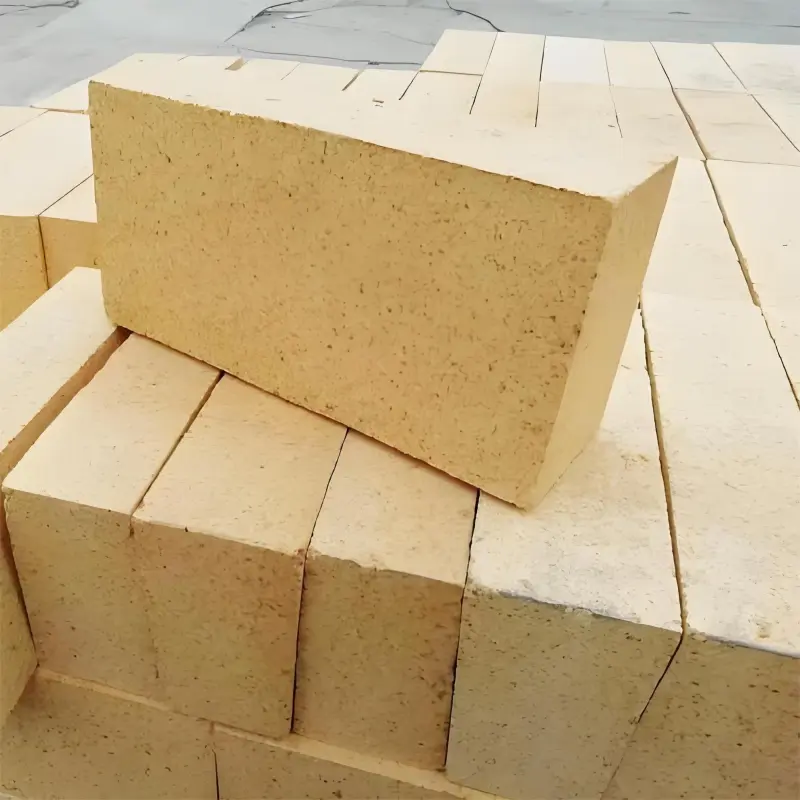
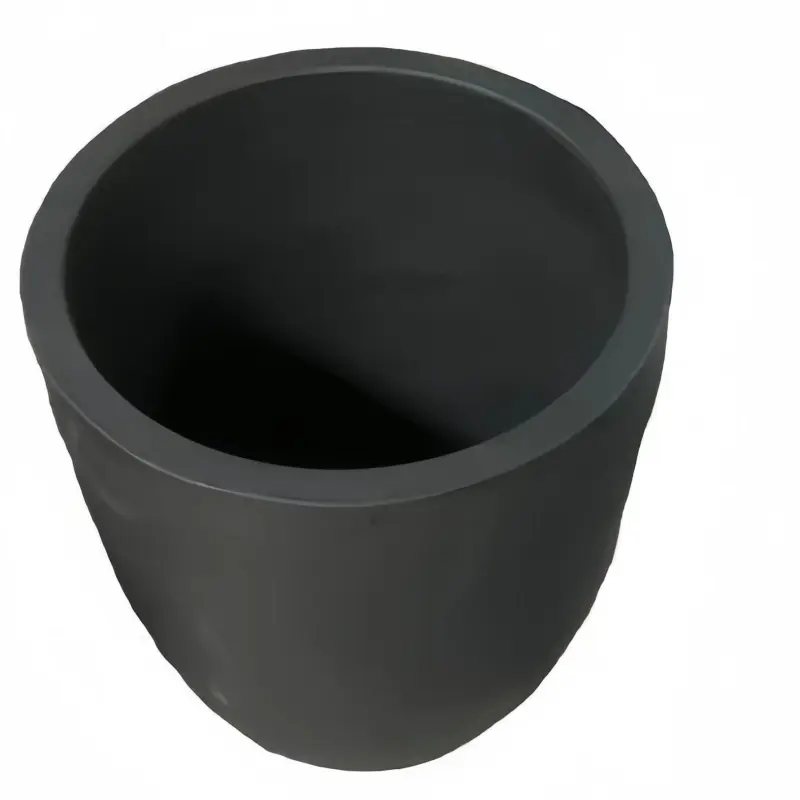
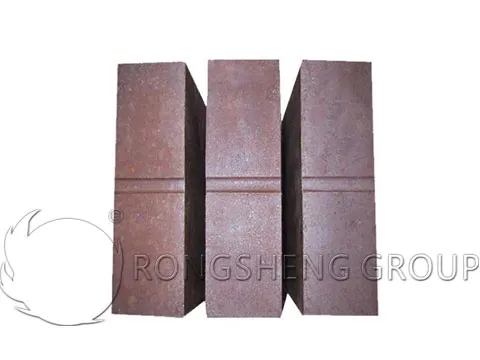
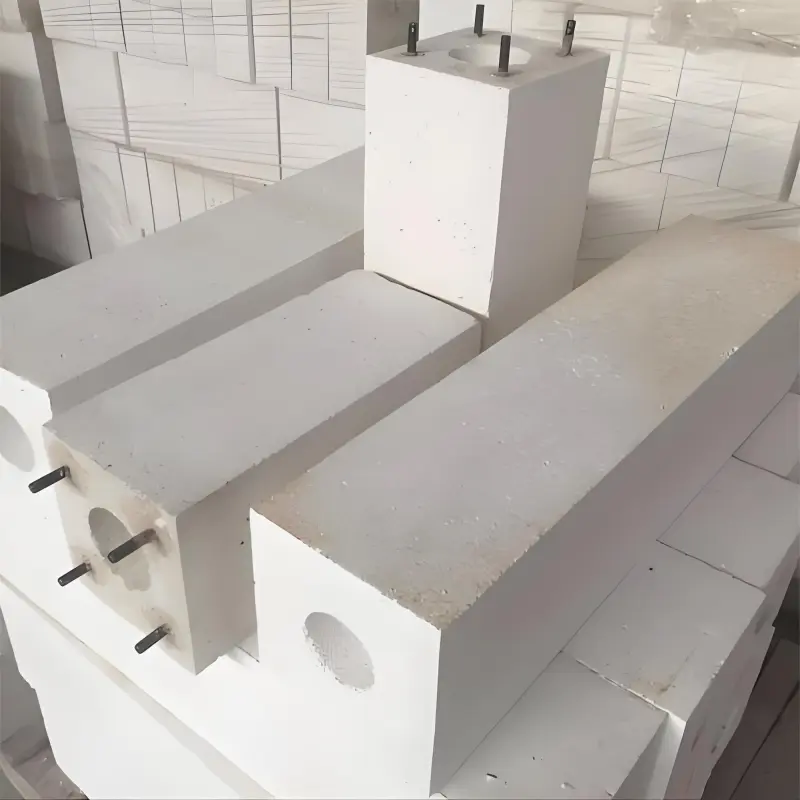
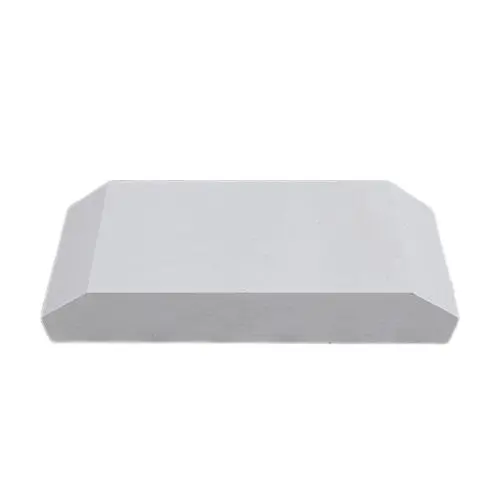
Industrial operators face relentless challenges in maintaining furnace durability, optimizing energy efficiency, and ensuring continuous high-temperature operation. Direct-bonded mag-chrome bricks, produced by leading refractory manufacturer Zhengzhou Rongsheng Refractory Co., Ltd., have emerged as a robust solution, proving their value across multiple high-temperature industrial furnaces such as rotary cement kilns, steel smelting furnaces, and glass furnaces. This article dives into detailed case studies that illuminate how these specialized bricks contribute to significantly enhancing production efficiency and equipment lifespan.
Industrial furnaces regularly encounter extreme thermal stress, chemical erosion, and mechanical wear. These challenges accelerate refractory degradation, increase downtime, and inflate operational costs. Typical issues include:
Addressing these pain points is critical for maintaining production continuity and profitability.
Direct-bonded mag-chrome bricks combine magnesia (MgO) and chromia (Cr₂O₃) with a dense microstructure, resulting in:
These properties make direct-bonded mag-chrome bricks especially suited for harsh industrial environments.
Background: Rotary cement kilns endure intense abrasion and exposure to calcium-rich slags at temperatures ranging from 1300°C to 1500°C. Frequent refractory failures compromised kiln efficiency and caused unplanned downtimes averaging 15 days annually.
Application: The installation of direct-bonded mag-chrome bricks as the kiln’s hot end lining was undertaken, replacing traditional alumina bricks.
Results: Within six months, kiln availability increased by 12%, fuel consumption decreased by approximately 5%, and the service life of the refractory lining extended from 12 months to over 20 months, evidencing a 67% improvement. This resulted in a significant reduction in operational costs.
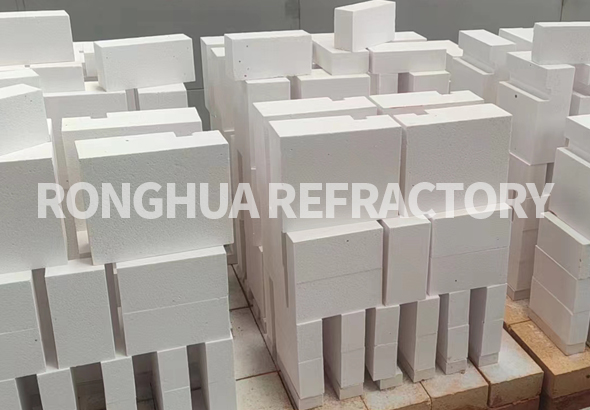
Background: Steel smelting furnaces operate under extreme chemical and thermal attack, often above 1600°C, facing slag infiltration and rapid wear that degrade refractory linings.
Application: Direct-bonded mag-chrome bricks, with their dense matrix and chemical inertness, were deployed in the furnace hearth and lower wall sections.
Results: The bricks demonstrated outstanding resistance to slag penetration, reducing maintenance frequency by 30%. Additionally, heat efficiency measures indicated a 6.5% reduction in energy consumption. The furnace’s operational cycle was sustainably extended, boosting productivity.
Background: Glass furnaces require refractory materials that withstand aggressive molten glass corrosion while maintaining thermal insulation at temperatures around 1400°C.
Application: Replacement of standard fireclay bricks with direct-bonded mag-chrome bricks in the glass furnace crown and ports.
Results: Operators recorded 15% longer lining life, with improved thermal efficiency reducing energy use by 4%. The bricks’ chemical compatibility minimized contamination risks, enhancing glass quality.

| Furnace Type | Refractory Life Extension | Energy Savings (%) | Downtime Reduction (%) |
|---|---|---|---|
| Rotary Cement Kiln | 67% | 5% | 12% |
| Steel Smelting Furnace | 30% | 6.5% | 30% |
| Glass Furnace | 15% | 4% | N/A |
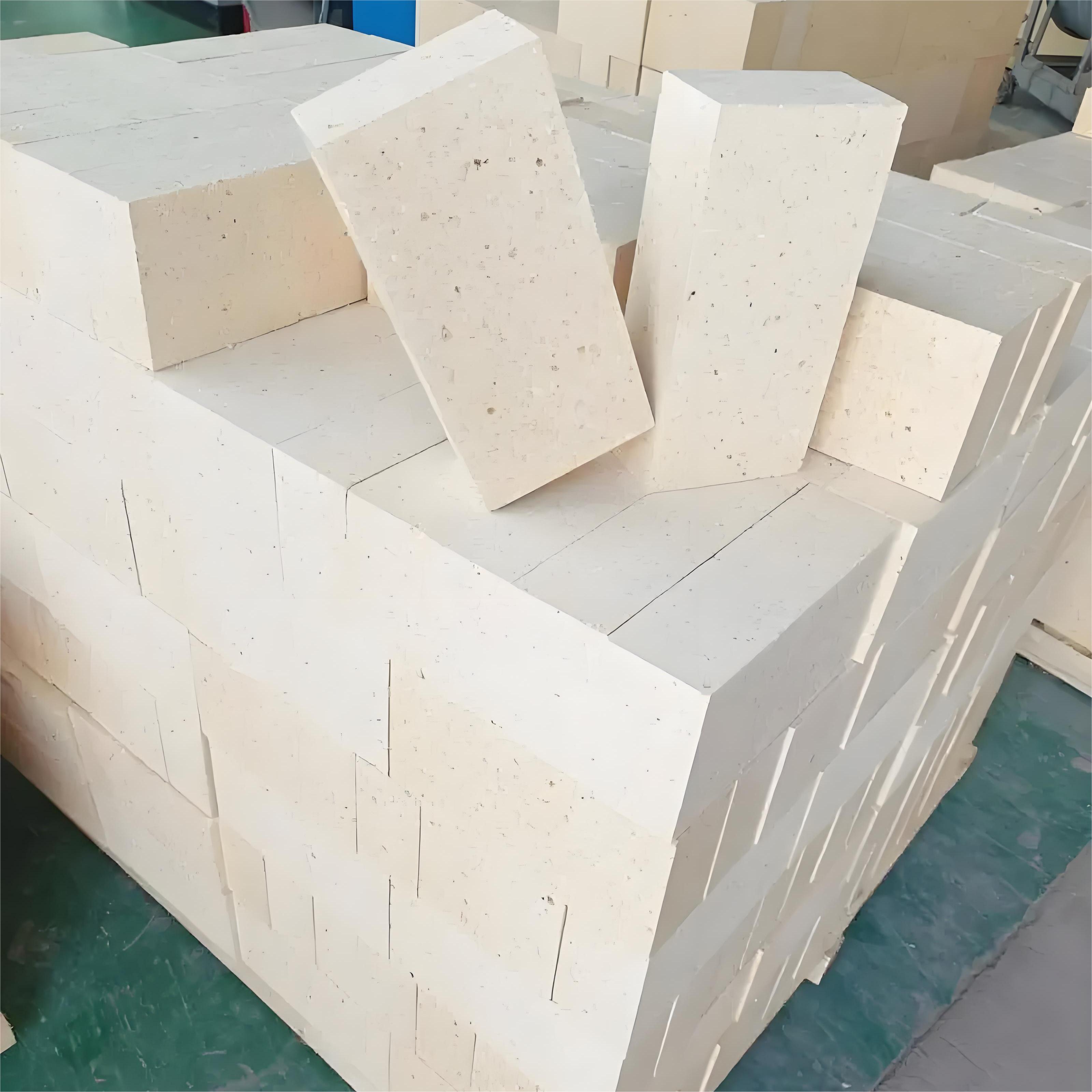
How has the integration of advanced refractory bricks transformed your industrial furnace operations? Share your experiences or any technical questions in the comments below to foster a community of knowledge exchange focused on sustainable and efficient high-temperature processing.
 280
|
280
|
 Rongsheng High-Alumina Refractory Bricks
Zhengzhou Rongsheng Refractory Materials Co.
High-Temperature Industry Refractory Bricks
Thermal Shock Resistance
Corrosion Resistance
International Certification
Comprehensive Solutions
141
|
high-alumina refractory castables
alkali-resistant refractory materials
high-temperature industrial applications
industrial refractory solutions
customizable refractory compositions
492
|
regenerative high-temperature air combustion technology
honeycomb ceramic regenerator
industrial furnace energy efficiency
fuel consumption reduction
high-temperature combustion system
468
|
customizable high-temperature resistant bricks
high-temperature wear-resistant bricks
cement kiln bricks
104
|
Silicon carbide powder applications
Refractory raw materials
High - temperature material solutions
Foundry silicon carbide powder
Industrial silicon carbide powder customization
Rongsheng High-Alumina Refractory Bricks
Zhengzhou Rongsheng Refractory Materials Co.
High-Temperature Industry Refractory Bricks
Thermal Shock Resistance
Corrosion Resistance
International Certification
Comprehensive Solutions
141
|
high-alumina refractory castables
alkali-resistant refractory materials
high-temperature industrial applications
industrial refractory solutions
customizable refractory compositions
492
|
regenerative high-temperature air combustion technology
honeycomb ceramic regenerator
industrial furnace energy efficiency
fuel consumption reduction
high-temperature combustion system
468
|
customizable high-temperature resistant bricks
high-temperature wear-resistant bricks
cement kiln bricks
104
|
Silicon carbide powder applications
Refractory raw materials
High - temperature material solutions
Foundry silicon carbide powder
Industrial silicon carbide powder customization