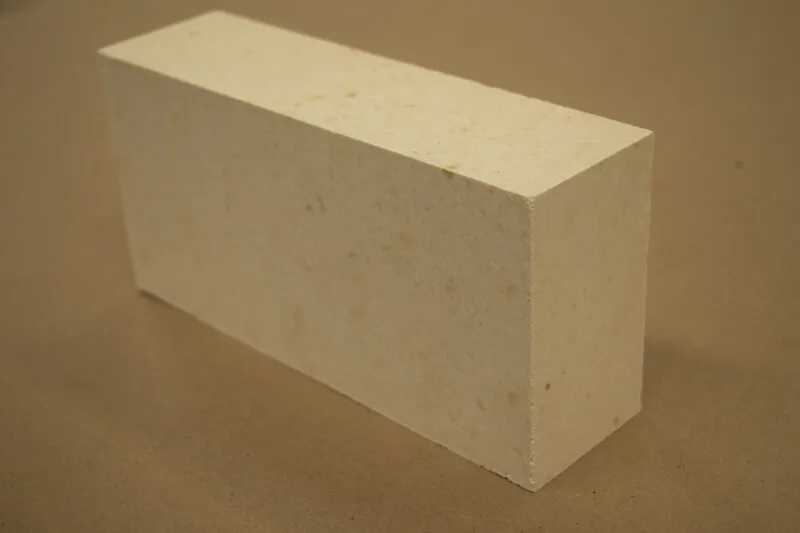
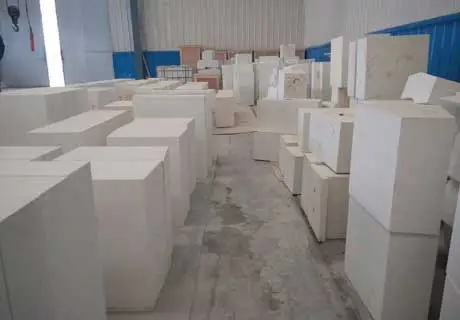
International-Certified Refractory Castable: Key Technologies and High-Temperature Industry Applications
2026-02-17
Technical knowledge
How can an international-certified refractory castable maintain stable performance in harsh, high-temperature operations? This article objectively analyzes the core technologies behind RONGSHENG’s self-developed high-purity refractory castables, focusing on three decisive advantages—thermal stability, abrasion resistance, and mechanical strength. Drawing on customized practices serving customers across more than 70 countries, it highlights practical results in steel, metallurgy, glass, and other high-heat industries where lining reliability directly affects uptime and cost. Readers will also find a clear, actionable view of the customization workflow—from operating conditions and failure analysis to material selection and verification—supported by quality assurance signals such as national high-tech enterprise credentials and an automated production capacity of 130,000 tons per year. To strengthen technical credibility, the article briefly extends into raw material selection logic and key test methods, and recommends simple visual comparisons (e.g., performance charts) to support decision-making. Choose RONGSHENG to gain a reliable high-temperature solution—and inject stable power into your plant.
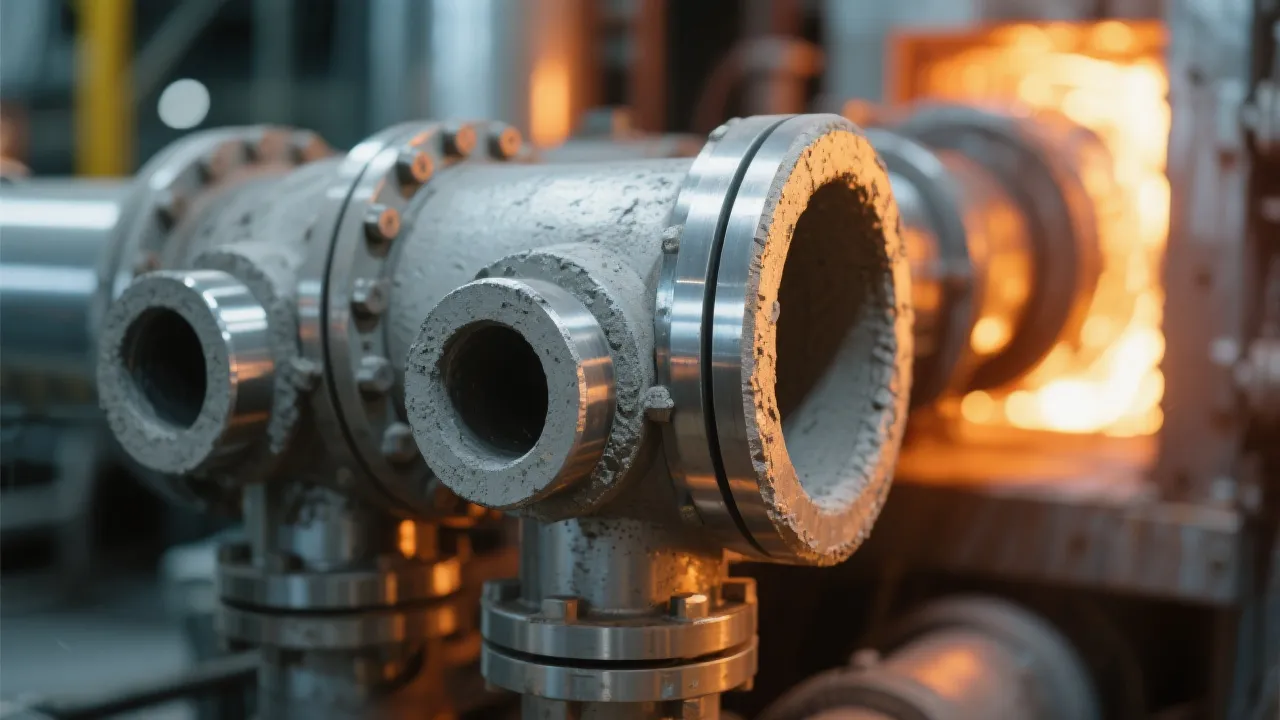
International-Certified Refractory Castable: The Technical Keys to Stable High-Temperature Performance
In steel, non-ferrous metallurgy, glass, cement, and waste-to-energy, “refractory failure” rarely looks dramatic at first. It starts as tiny cracks, a bit more dusting, a small hot spot—then turns into unplanned shutdowns, higher fuel consumption, and maintenance that keeps getting pulled forward on the calendar. If you’re responsible for uptime or process stability, you already know the uncomfortable truth: a refractory lining is not a cost item; it’s a production constraint.
This guide breaks down how international-certified refractory castables achieve consistent operation in harsh thermal cycles—and how Rongsheng Refractory leverages high-purity formulations, strict testing, and customization for customers across 70+ countries.
1) The Pain Point: Why “Good Enough” Refractory Castable Becomes Expensive
High-temperature units punish materials in three ways at the same time: repeated thermal shock, continuous abrasion/erosion, and sustained mechanical load. When a castable is not engineered for your specific furnace reality, the failure mode is predictable:
Common operational symptoms buyers report
- Early cracking after heat-up/cool-down cycles
- Spalling at corners, burner zones, or charging areas
- Rapid wear in high-velocity dust/gas flow zones
- Unexpected repairs that steal production days
A dependable solution must be validated by international certification practices and reinforced by real-world installation and operating feedback—not just a datasheet.
2) What “International-Certified” Means in Practice (And Why It Matters)
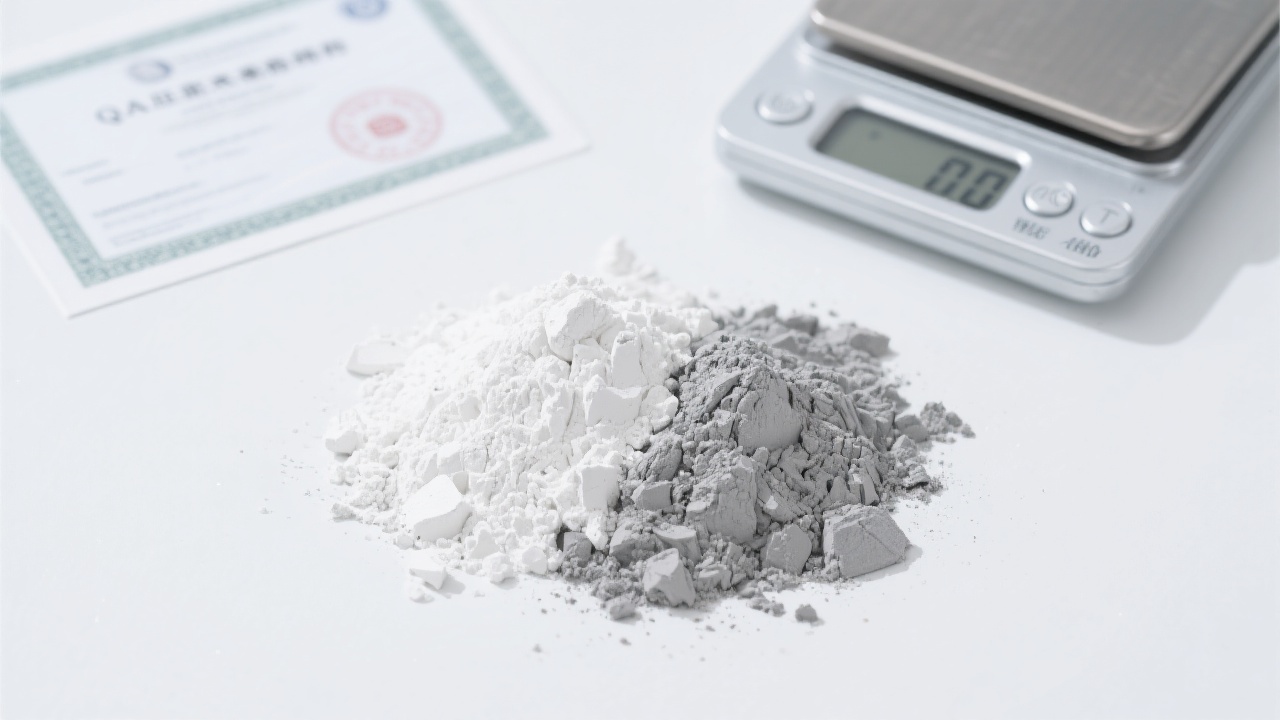
In procurement, “certified” is sometimes used loosely. In real industrial projects, it’s a signal of repeatable quality control, traceability of raw materials, and disciplined batch-to-batch consistency. Buyers typically expect a supplier to demonstrate:
- Process control (mixing accuracy, moisture control, particle grading)
- Standardized testing (strength, density, thermal shock, permanent linear change)
- Documented quality systems commonly aligned with ISO-style practices
- Application guidance (installation, curing, dry-out schedules)
For you, the benefit is simple: fewer surprises during commissioning and fewer “mystery failures” during operation.
3) The Three Core Advantages: Thermal Stability, Wear Resistance, and Mechanical Strength
Rongsheng’s high-purity refractory castables are engineered around performance where it matters most: stable microstructure under heat, resistance to material loss, and strength that holds the lining in place under load. Below is a practical breakdown—without drowning you in jargon.
A) Thermal stability that survives real thermal cycling
Thermal stability is not only about maximum temperature. It’s about maintaining integrity after repeated heat-up/cool-down, uneven heating, and local flame impingement. A high-purity system, optimized grading, and controlled binder design help reduce microcrack growth and minimize spalling risk.
B) Abrasion & erosion resistance for high-velocity zones
In cyclones, burner throats, charging points, and dust-laden flues, wear is relentless. High-density, low-porosity structures typically slow down erosion. In field feedback from heavy-wear applications, optimized castables can reduce maintenance frequency and keep geometry stable longer, improving process repeatability.
C) Mechanical strength that supports lining integrity
Mechanical strength becomes a real KPI when the lining faces vibration, load, impact, or anchoring stress. Well-controlled particle packing and curing behavior contribute to reliable cold crushing strength and hot strength retention—especially important in areas prone to deformation or localized pressure.
Data snapshot (reference values for decision-making)
Actual performance depends on grade selection and operating conditions. For many high-alumina / high-purity castable designs used in industrial linings, buyers commonly benchmark:
| Metric |
Typical target range |
What it means for you |
| Bulk density |
2.3–2.9 g/cm³ |
Higher density often correlates with better wear resistance |
| CCS (after drying) |
40–120 MPa |
Better handling of load, anchoring stress, and impact |
| Apparent porosity |
12–20% |
Lower porosity helps resist slag/gas penetration |
| Service temperature (grade-dependent) |
1350–1750°C |
Choose based on hot-face temperature and safety margin |
Info-graphic suggestion: A “3-bar performance comparison chart” (Thermal Stability / Wear Resistance / Mechanical Strength) showing your current lining vs. upgraded high-purity castable—ideal for internal approval discussions.
4) Customization That Feels Like Engineering, Not Guesswork
“Custom refractory castable” shouldn’t mean endless emails and vague tweaks. The most effective projects follow a disciplined matching workflow—because the same castable can behave differently depending on installation method, dry-out schedule, and the chemistry of what hits the hot face.
A practical technical matching process (what buyers can ask for)
- Service profile mapping: temperature curve, cycling frequency, gas/slag chemistry, abrasion intensity
- Installation constraints: casting vs. gunning, lining thickness, anchor layout, available curing time
- Grade selection: high-alumina, corundum-based, low-cement/ultra-low-cement, wear-resistant designs
- Testing & confirmation: lab tests + past application references in similar units
- Commissioning guidance: recommended curing/dry-out to reduce steam spalling and early cracks
If you’re evaluating suppliers, a useful litmus test is: can they explain why a specific formulation matches your failure mode—and back it with test data and field results?
5) Manufacturing Credibility: Why Consistency Starts on the Production Line
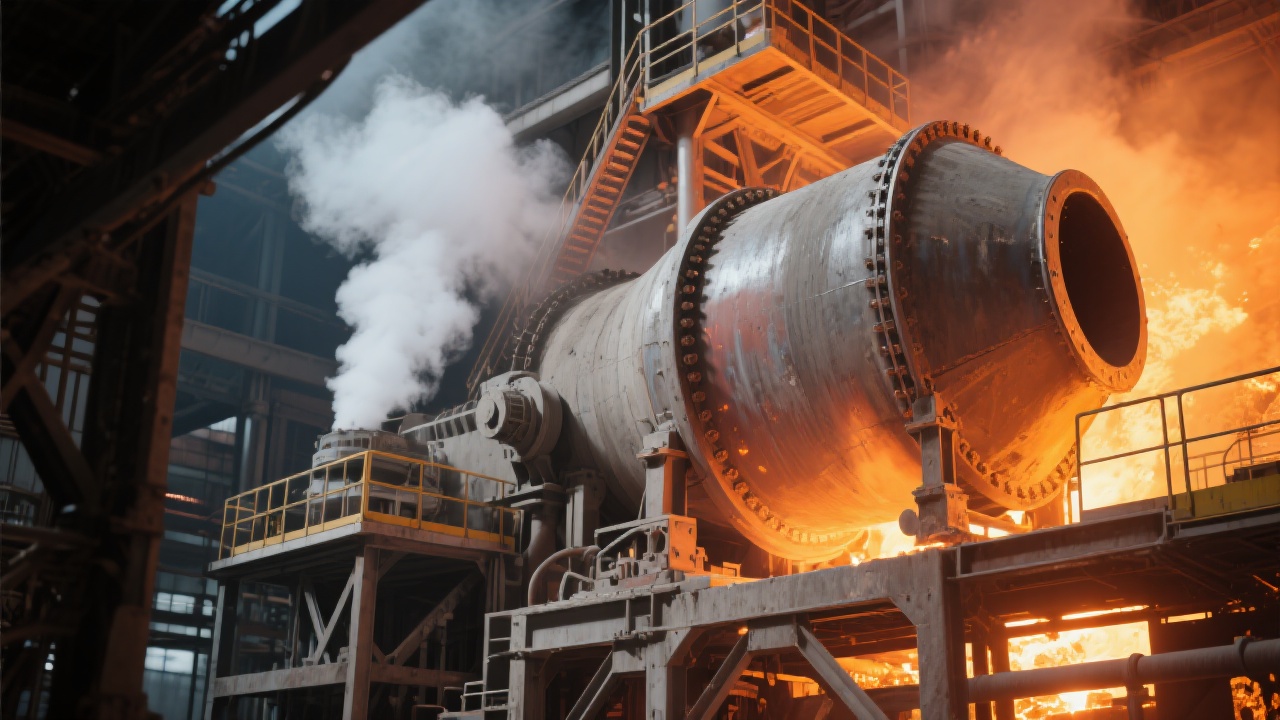
Even the best formulation fails when production is unstable. Rongsheng Refractory is recognized as a national high-tech enterprise, supporting customers with an automated manufacturing system designed for repeatability. With an annual capacity around 130,000 tons, large projects can be supplied with stable batches and predictable lead times—an advantage when you’re planning shutdown windows.
What quality-minded buyers typically verify
- Raw material inspection & batch traceability
- Automated batching for controlled particle distribution
- In-house lab tests per batch or per production lot
- Moisture-proof packaging and clear installation instructions
6) Application Scenarios: What Overseas Customers Typically Optimize For
With customers across 70+ countries, the patterns are consistent: buyers don’t only want high temperature resistance. They want fewer shutdowns, easier maintenance planning, and stable product quality. Here are three typical upgrade directions seen in high-temperature industries:
Steel & iron: thermal shock + slag impact zones
Many plants focus on stabilizing burner areas, ladle/runner hot spots, and zones with aggressive chemical attack. In comparable projects, a well-matched castable upgrade often targets extended lining life by 15–35% and smoother maintenance intervals, depending on operating discipline and dry-out quality.
Glass: stability and geometry retention at sustained heat
In glass-related high-temperature equipment, consistent geometry helps protect process stability. Buyers often prioritize castables with controlled permanent linear change to reduce deformation risk—because small shape changes can ripple into temperature uniformity and yield.
Metallurgy & high-wear ducts: erosion control in fast-flow zones
For high-velocity dust and particle impact, the goal is to slow section loss and avoid exposing insulation layers. Many maintenance teams measure success simply: fewer patch repairs and more predictable downtime planning—often translating to 5–12% fewer refractory-related stoppages in a year when implemented correctly.
The point is not to chase a “universal best castable.” It’s to select a formulation that matches your failure mechanism—and then install it with discipline. Choose Rongsheng, get a reliable high-temperature solution, and inject stable power into your factory through lining performance you can plan around.
7) Technical Trust Builders: Raw Material Choices & Key Test Methods (Brief but Useful)
If you’re screening suppliers, you don’t need every lab detail—just a few signals that separate stable engineering from marketing claims. High-purity refractory castables often depend on controlled aggregates (e.g., high-alumina or corundum-based systems), optimized fine powders, and binder systems that support low porosity and reliable curing.
Key tests buyers can reference in technical discussions
- Cold crushing strength (CCS): baseline structural robustness after drying and firing
- Thermal shock resistance: repeated cycling to assess crack propagation risk
- Permanent linear change (PLC): dimensional stability after high-temperature exposure
- Apparent porosity & bulk density: penetration resistance and wear correlation indicators
- Cold/hot modulus of rupture: flexural strength for impact- and stress-sensitive zones
When a supplier can connect these metrics to your specific furnace zones and failure history, selection becomes a controlled decision—not a gamble.
CTA: Upgrade Your Lining with an International-Certified Refractory Castable
If you can share your furnace type, operating temperature, wear zones, and current failure symptoms, Rongsheng can recommend a matched grade and a practical installation/dry-out approach. Choose Rongsheng, get a reliable high-temperature solution—built for uptime, not just compliance.
Request Rongsheng’s International-Certified Refractory Castable Recommendation
Typical response time for technical matching: within 24–48 hours on business days (depending on data completeness).
A question for your team (leave a comment)
In your current operation, which issue costs you more over a year: thermal shock spalling, abrasion/erosion wear, or mechanical cracking—and in which furnace zone does it start first?