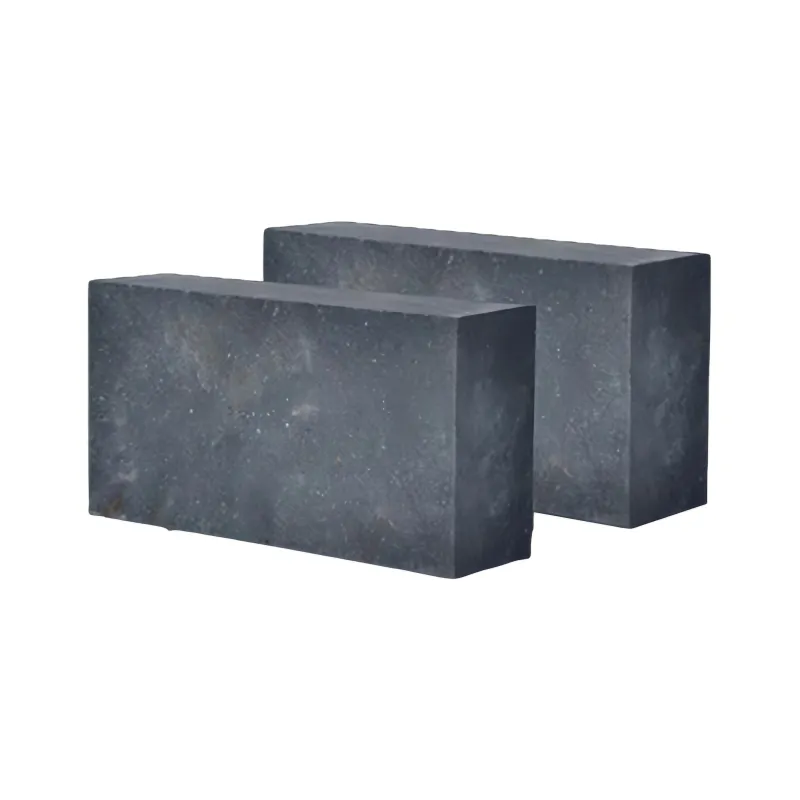
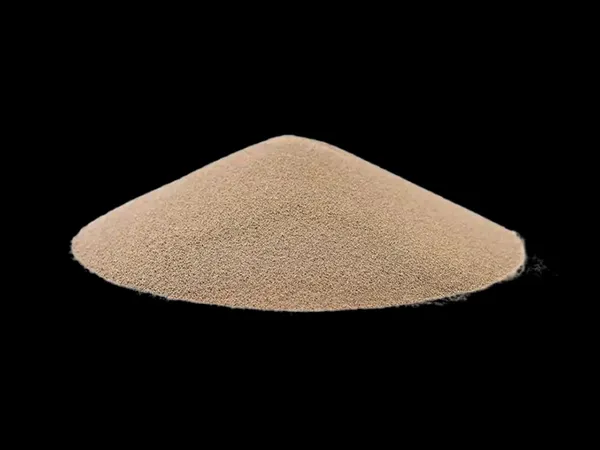
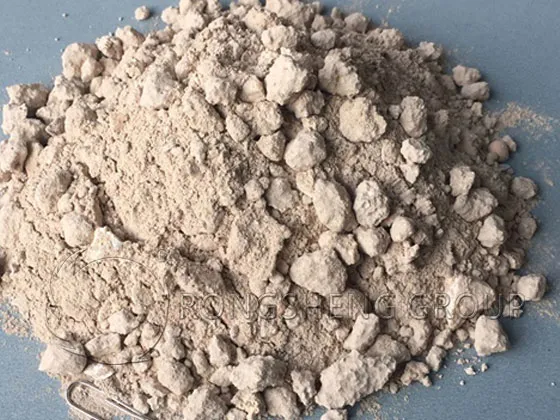
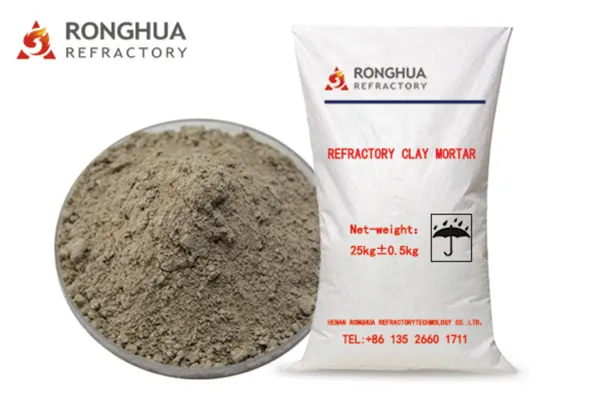
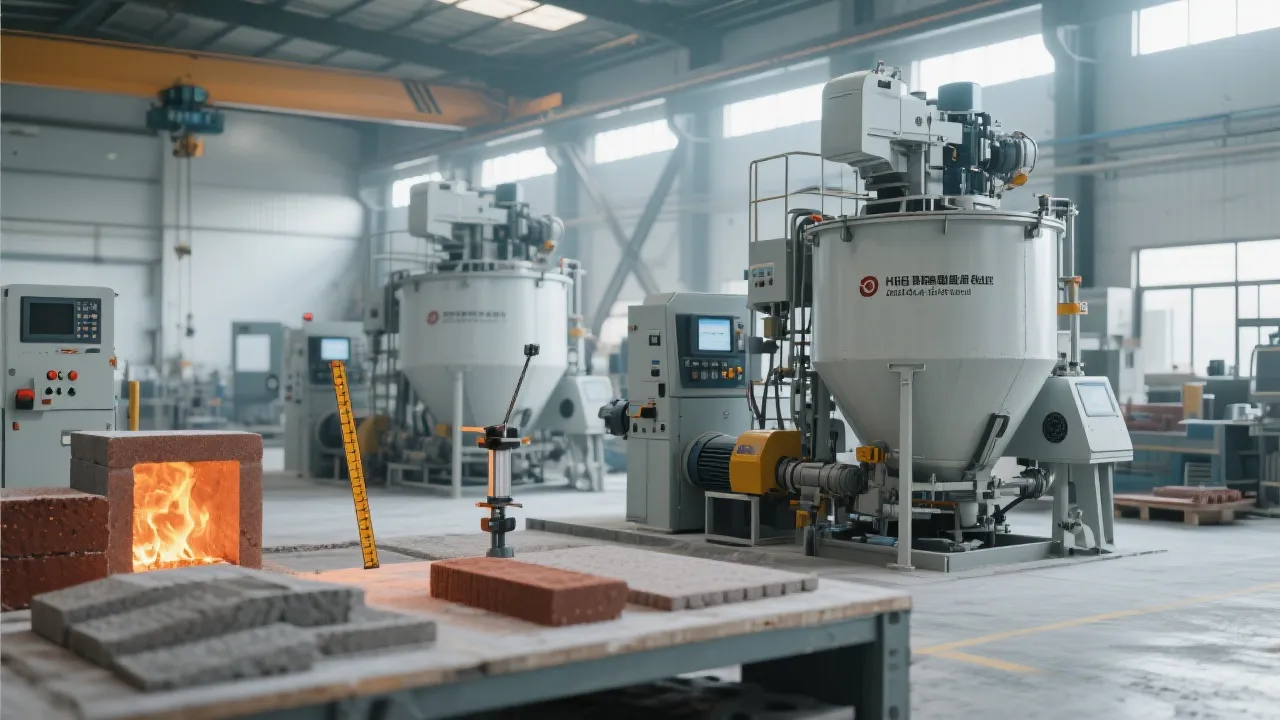
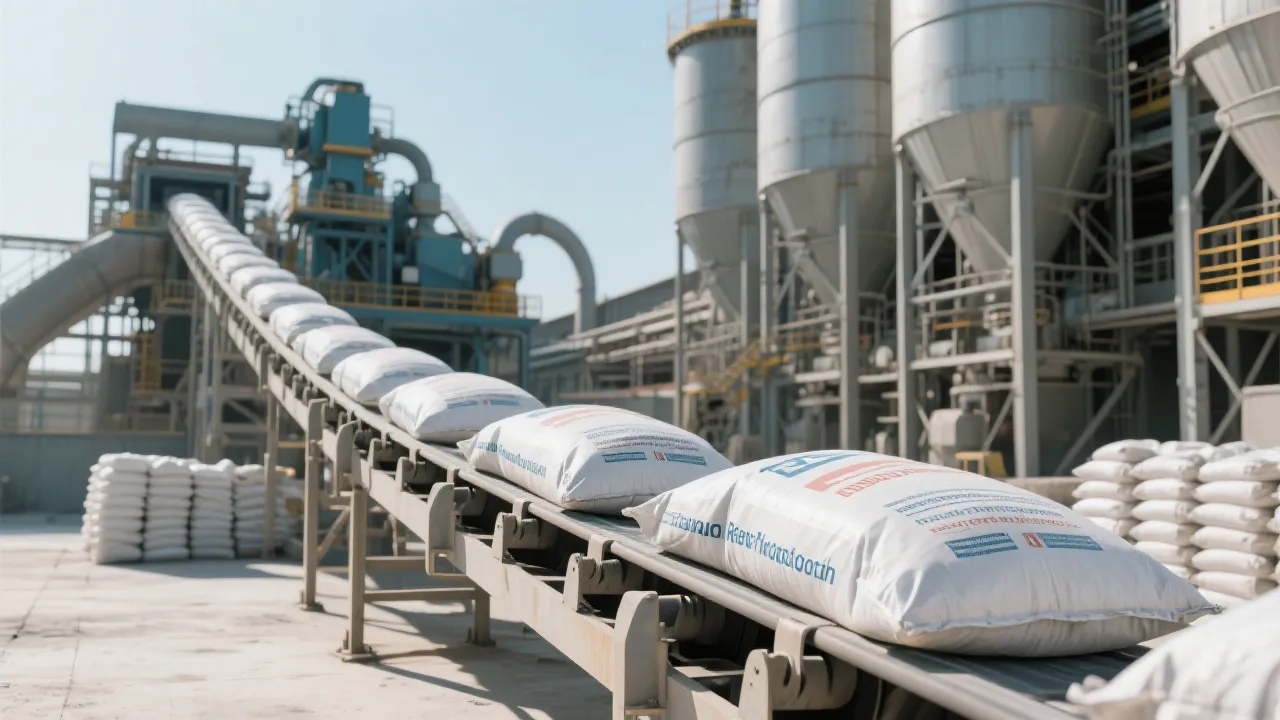
In many high-temperature industries—steel, non-ferrous metallurgy, glass, ceramics, cement, and thermal processing—equipment lifespan is not decided only by “how hot” the furnace runs. It is often decided by where heat, load, and chemical attack concentrate: refractory joints, gaps, and connection interfaces.
When joint materials are under-specified, even strong refractory bricks can lose integrity through hot gas penetration, joint erosion, spalling triggers, and uneven stress transfer. The practical outcome is familiar: more shutdowns, more patching, and a shorter service cycle.
This article explains how international-standard refractory mortars—especially high-silica silicate mortar—can improve lining stability, and why Rongsheng Refractory Materials has become a frequently selected supplier for global buyers seeking consistent quality, documentation, and performance.
Refractory lining failures rarely start from the center of a brick. They typically start at discontinuities—joints and interfaces—because these zones combine multiple stresses:
A practical question for engineering and procurement teams is worth asking: Are you optimizing the lining system—or only buying better bricks?
For B2B buyers, “refractory mortar” is not a commodity. It is a functional material that must match the lining design, operating temperature, and atmosphere. In global procurement, three criteria typically dominate technical evaluation:
High-temperature joints must resist deformation under load. A mortar that softens too early can lead to joint squeeze-out, brick displacement, and accelerated wear. For silica-based systems, performance is closely related to the purity and percentage of SiO₂, as well as particle grading and binder stability.
A high-performing mortar must be easy to mix, spread, and compact to reduce voids in joints. Better workability means fewer installation defects, faster lining projects, and more repeatable results across different crews and shifts.
For cross-border supply, stable quality control is as important as lab values. Buyers often require ISO 9001 quality management and, where applicable, CE compliance documentation to support supplier qualification, customs processes, and internal audits.
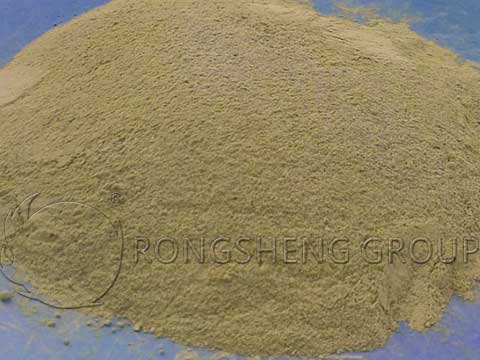
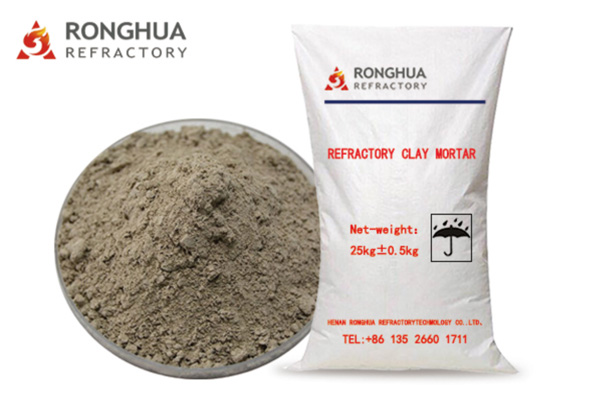
Rongsheng Refractory Materials (Zhengzhou Rongsheng Refractory Co., Ltd.) manufactures high-silica silicate mortar designed as a jointing material for refractory masonry in high-temperature industrial equipment such as industrial furnaces.
The following values reflect commonly used evaluation targets for high-silica mortar selection and can be adjusted to your project specification.
| Parameter | Rongsheng High-Silica Silicate Mortar | Why It Matters to Service Life |
|---|---|---|
| SiO₂ content | > 92% | High purity supports high-temperature stability and reduces low-melting impurity phases. |
| Application area | Refractory masonry joints (industrial furnaces, high-temp equipment) | Stable joints help prevent hot gas leakage paths and lining loosening. |
| Load softening performance | Engineered for high-temperature load-bearing behavior | Lower deformation risk improves lining integrity in long campaigns. |
| Workability | Optimized for practical installation | Better filling and bonding can reduce void-driven failures. |
| Quality system | ISO 9001 (plus CE compliance where applicable) | Supports supplier qualification, traceability, and consistent batch management. |
In plain terms, ≥92% silica content indicates a silica-forward formulation with fewer impurity oxides that can form low-melting phases. In high-temperature operations, that difference often shows up as more stable joints and fewer unplanned maintenance interventions.

Many purchasing teams see “load softening” as a datasheet line. Maintenance teams experience it differently: it’s the difference between a stable lining and a lining that creeps, cracks, or shifts under heat and weight.
In field practice, improving mortar selection and application often delivers measurable operational benefits. Plants commonly report:
A useful self-check: How often do your lining issues start as “small joint problems” before they become “big shutdown problems”?
In cross-border sourcing, quality is not only performance—it is also repeatability, traceability, and documentation. This is where international standards reduce buyer risk:
ISO 9001 certification signals that the supplier operates a structured quality management system—supporting batch control, corrective actions, and continuous improvement. For engineering buyers, it helps reduce the “two shipments, two performances” problem.
For certain markets and applications, CE-related documentation can support regulatory and project compliance. Even when CE is not mandatory for a specific refractory purchase, buyers often treat it as an additional trust marker in supplier qualification.
As a high-tech enterprise, Rongsheng emphasizes technical capability alongside quality system discipline—an approach that aligns with how global procurement teams evaluate long-term suppliers, not just one-time shipments.
Consider a common maintenance scenario in a continuous-operation furnace: localized joint erosion and small gaps begin to appear in mid-to-high temperature zones. Over time, hot gases penetrate behind bricks, causing secondary damage such as brick edge wear, cracking, and local spalling—often leading to forced stoppage.
| Operational Indicator | Before (typical weak-joint symptoms) | After (improved joint integrity) |
|---|---|---|
| Unplanned patch frequency | Every 4–6 weeks | Every 6–10 weeks |
| Joint gap/void recurrence | High in high-velocity zones | Moderate to low after optimized application |
| Lining stability (brick shifting) | Occasional | Rare |
| Campaign life contribution | Baseline | +10–20% typical improvement range |
Note: Results vary depending on furnace type, thermal cycle, masonry quality, and operating conditions. Values are realistic reference ranges used for pre-qualification discussions.
The takeaway is not that one mortar “solves everything,” but that better joint design and material control frequently delivers one of the highest ROI improvements in refractory lining reliability.
Before you decide, technical teams often validate fit with a few practical questions:
For engineering-driven buyers, a controlled trial is often the fastest path to confidence. Rongsheng supports project discussions with technical alignment, documentation, and practical application guidance—so your team can verify joint integrity improvements under your own operating conditions.
Typical info to prepare: furnace type, operating temperature range, atmosphere, refractory brick type, and joint thickness requirement.
 385
|
385
|
 direct bonded magnesia-chrome bricks magnesia-chrome brick lifespan improvement cement kiln refractory bricks high-temperature industrial refractory comparison refractory material thermal shock resistance
194
|
direct bonded magnesia chrome brick rotary cement kiln refractory steelmaking furnace lining glass tank refractory refractory material performance
279
|
B2B export market research target country consumer trends international trade policy analysis emerging market entry strategies high-temperature industry export
265
|
direct-bonded magnesia-chrome brick high-temperature furnace refractories refractory brick application industrial furnace efficiency equipment lifespan extension
390
|
silicate ramming mix metallurgical refractory materials high-temperature refractory 1600-1700C quartz aggregate ramming refractory clean steel continuous casting
direct bonded magnesia-chrome bricks magnesia-chrome brick lifespan improvement cement kiln refractory bricks high-temperature industrial refractory comparison refractory material thermal shock resistance
194
|
direct bonded magnesia chrome brick rotary cement kiln refractory steelmaking furnace lining glass tank refractory refractory material performance
279
|
B2B export market research target country consumer trends international trade policy analysis emerging market entry strategies high-temperature industry export
265
|
direct-bonded magnesia-chrome brick high-temperature furnace refractories refractory brick application industrial furnace efficiency equipment lifespan extension
390
|
silicate ramming mix metallurgical refractory materials high-temperature refractory 1600-1700C quartz aggregate ramming refractory clean steel continuous casting