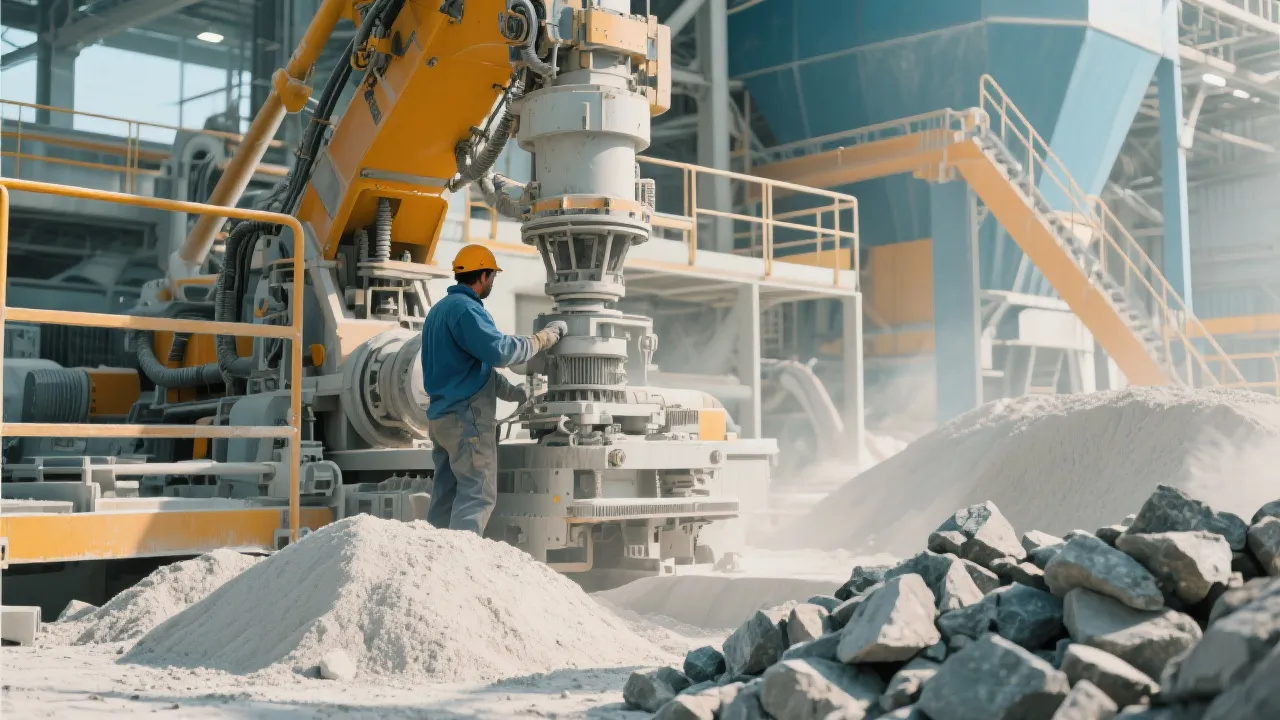
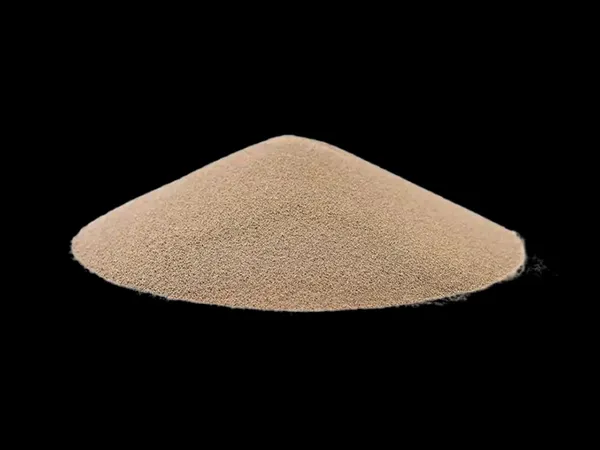
Hard-clay grog: skeleton + thermal stability
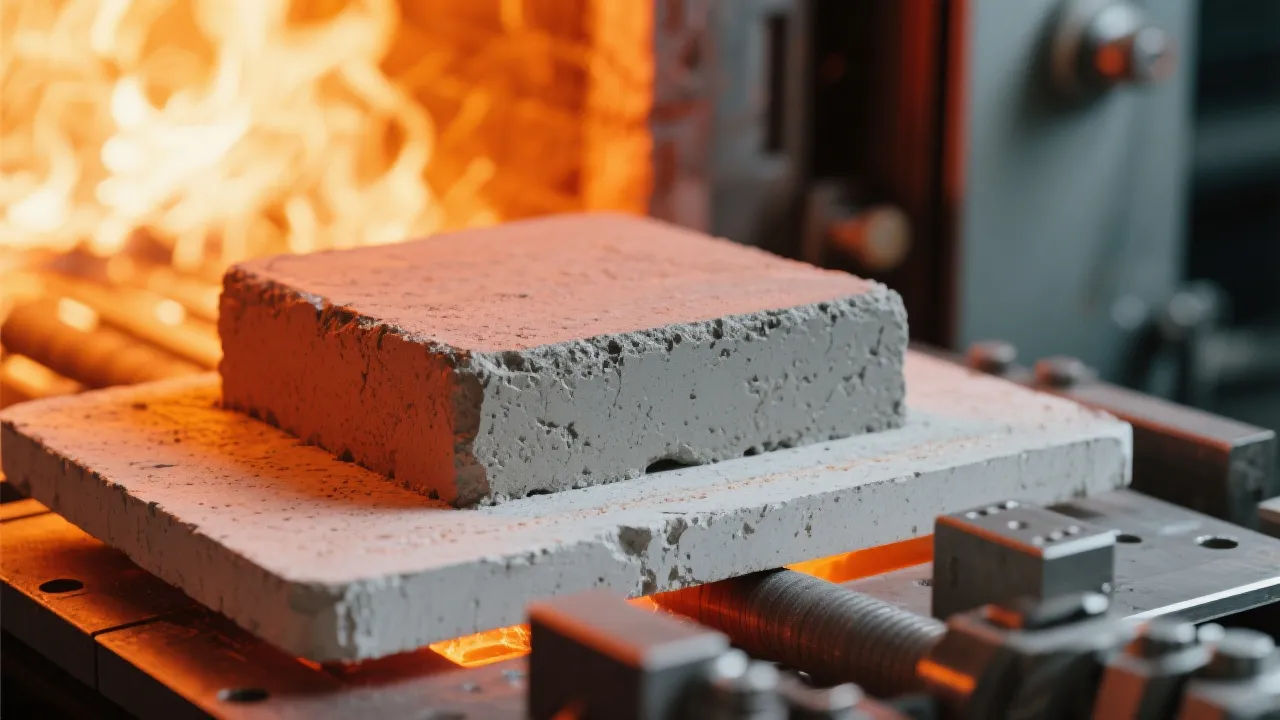
Calcined particles form a stable skeleton that reduces drying shrinkage and improves resistance to thermal shock. The grog also supports consistent joint thickness and lowers crack risk during heat-up.

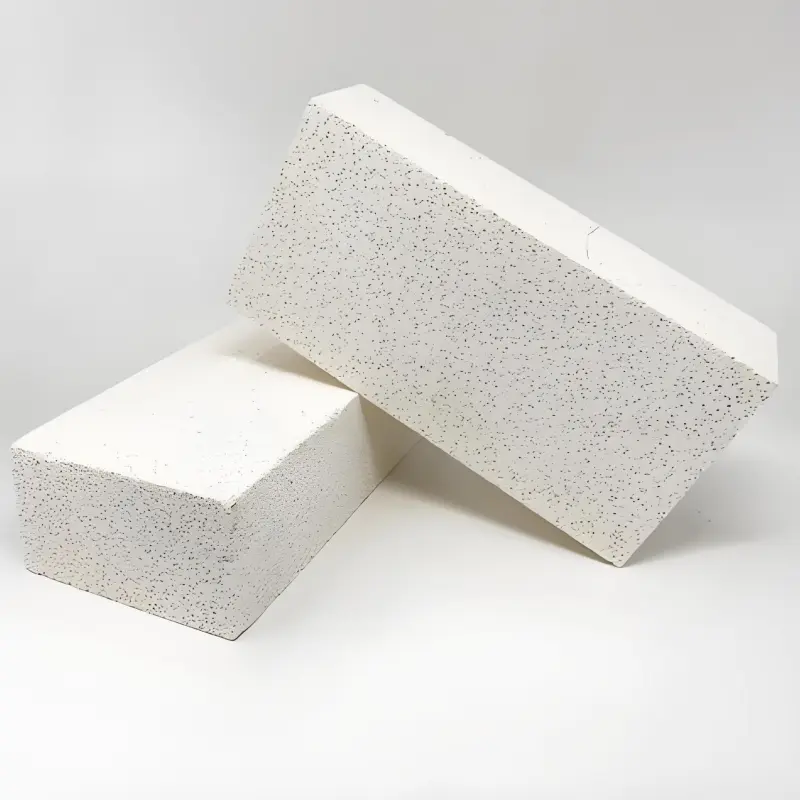
In glass, metallurgy, petrochemical and other high-heat processes, refractory mortar is often the “invisible variable” that decides whether a lining stays stable for years or starts failing in months. Under today’s industrial upgrades—higher furnace temperatures, faster thermal cycles, and more aggressive melts—buyers are no longer satisfied with basic joint-filling. They need refractory material solutions that protect structural integrity, minimize downtime, and keep performance predictable.
Built on the engineering approach behind 荣盛耐火材料, high-performance fireclay mortar is designed for practical site work while delivering reliable properties such as strong ceramic bonding at elevated temperature and resistance to glassy phases and alkali attack in real operating conditions.
Many refractory failures begin at the joints—where thermal gradients, mechanical vibration, and chemical infiltration concentrate. Mortar that shrinks, dries too fast, or lacks hot strength can create micro-gaps, letting hot gases and corrosive melts penetrate behind bricks. Once infiltration starts, the lining can lose insulation, spall, or crack, causing unplanned shutdowns.
In typical industrial furnaces, joint mortar is expected to withstand continuous 1,200–1,450°C service for fireclay-class linings (depending on brick grade and atmosphere), while keeping workable consistency on site and building a firm ceramic bond after firing. That combination is exactly where “high-performance” formulation matters.

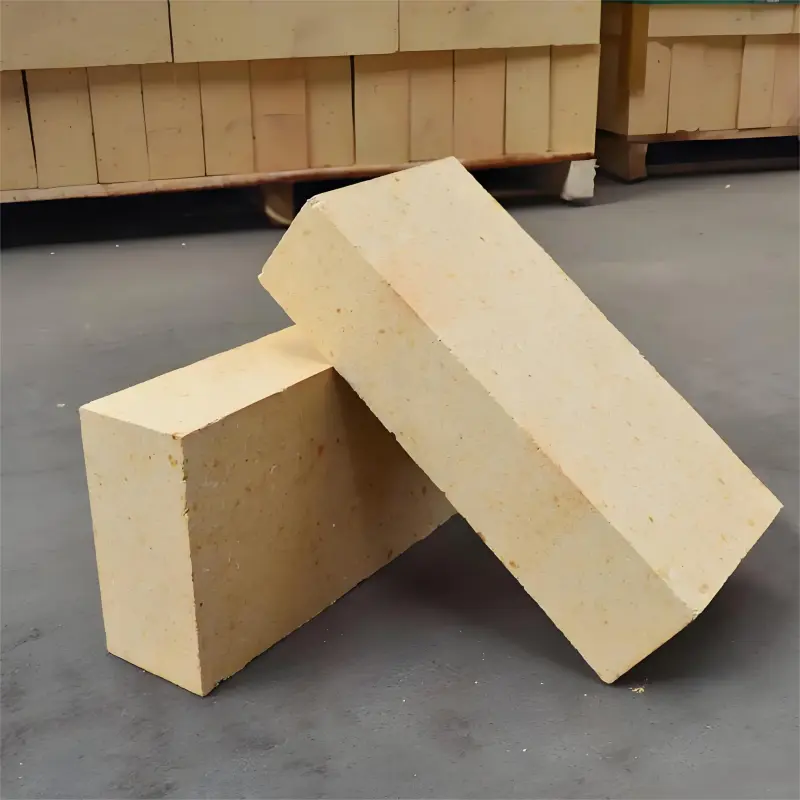
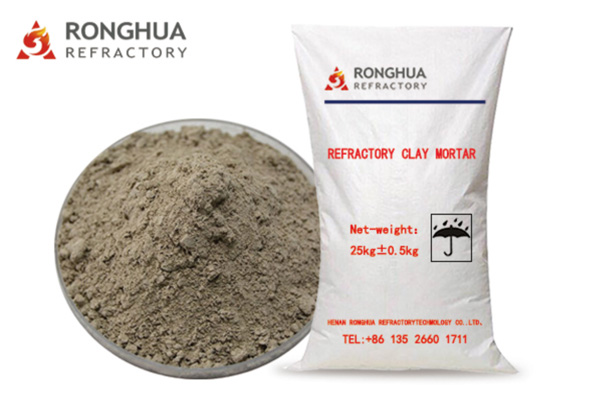
High-performance fireclay refractory mortar is typically engineered from a scientifically controlled blend of hard-clay grog (calcined chamotte) combined with soft plastic clay and, when required by application conditions, a measured amount of chemical binder. This is not “adding more clay”; it is a structure-building approach:
Calcined particles form a stable skeleton that reduces drying shrinkage and improves resistance to thermal shock. The grog also supports consistent joint thickness and lowers crack risk during heat-up.
Plastic clay improves trowelability and adhesion during installation, while selected binders can enhance early strength and help maintain uniform water retention—critical for large lining projects where surface drying is hard to control.
In real procurement terms, this means fewer on-site adjustments, more predictable joint quality, and a lining that “locks” together after firing instead of gradually loosening.
Designed to match common fireclay brick systems used in high-temperature kilns and furnaces. Typical practical service range: 1,200–1,450°C (depending on lining design and atmosphere).
For glass-contact or glass-splash zones, minimizing joint penetration is crucial. In internal reference tests for fireclay mortars at 1,300°C, optimized formulations can reduce apparent infiltration depth by 20–35% versus conventional clay mortars (application-dependent).
Stable water retention helps prevent premature drying on brick surfaces, reducing weak “dust joints.” In practice, it supports smoother bricklaying and fewer rework areas on long walls and crowns.
As temperature rises, the joint transitions from “set” to ceramic bond. Typical cold crushing strength after proper firing can reach 8–15 MPa for high-quality fireclay mortars (varies by recipe and curing/firing profile).
Industrial buyers increasingly require traceability and stable batch-to-batch properties. For export-ready supply, key controls include particle sizing, moisture range, and consistent alumino-silicate chemistry.
These advantages translate into measurable operational value: fewer leakage paths, reduced brick movement, improved thermal efficiency, and more predictable maintenance schedules.
| Indicator | Conventional Clay Mortar (Typical) | High-Performance Fireclay Mortar (Typical) |
|---|---|---|
| Recommended service range (continuous) | ~1,100–1,300°C | ~1,200–1,450°C |
| Drying shrinkage risk | Medium to high (site-dependent) | Lower due to grog skeleton |
| Hot bonding mechanism | Partial sintering | Ceramic bonding emphasized |
| Glass/alkali infiltration resistance | Baseline | ~20–35% improved in reference conditions* |
| Typical fired CCS (application-dependent) | ~5–10 MPa | ~8–15 MPa |
*Reference data ranges vary by firing profile, brick chemistry, joint thickness, atmosphere, and melt composition. Final selection should be confirmed with project-specific technical parameters.
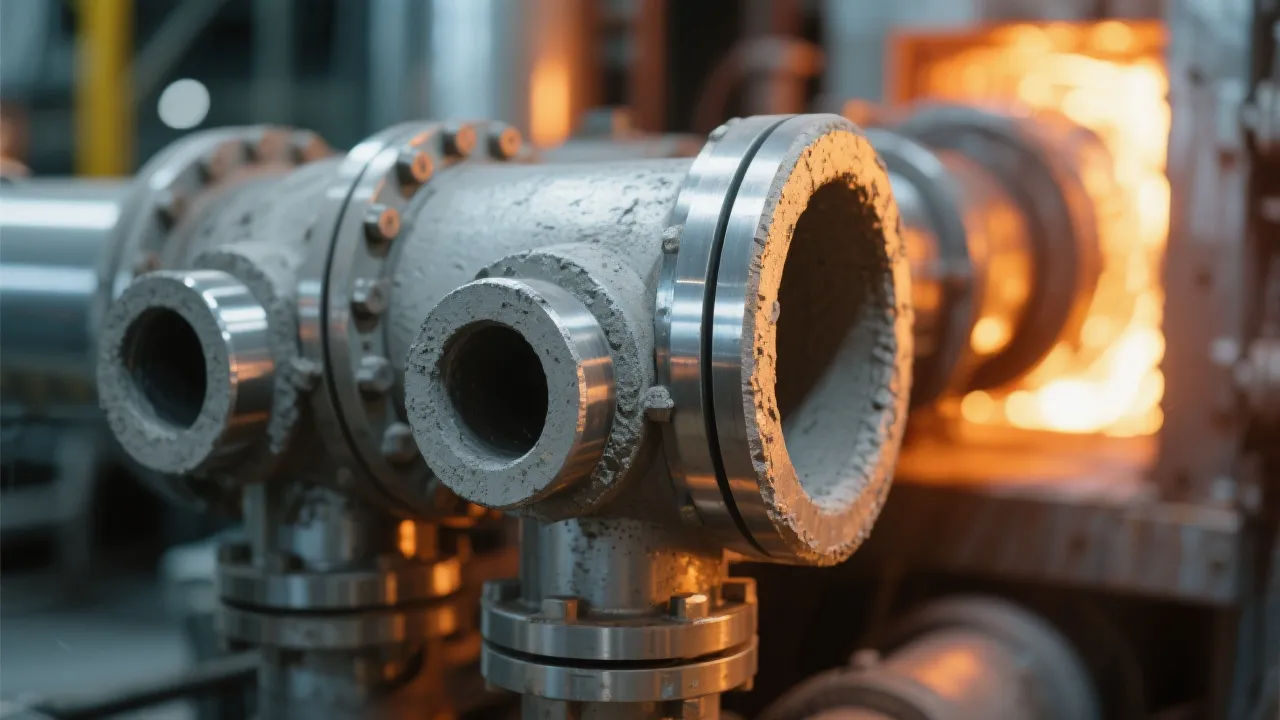
In regenerator checkers, flues, and zones exposed to glassy vapor and alkali carryover, joint quality impacts infiltration resistance. A mortar with stronger ceramic bonding helps maintain tightness, reducing local hot spots and premature brick loosening.
Common buyer objective: extend campaign stability by reducing joint-related leakage paths during thermal cycling and production adjustments.
For reheating furnaces, soaking pits, and ancillary high-heat ducts, the mortar must resist vibration and repeated heat-up/cool-down. Reduced shrinkage and better hot strength help limit micro-cracking at joints—often the starting point of spalling.
In kilns and reactors where dusts, alkalis, and aggressive gases exist, a stable alumino-silicate mortar can improve lining reliability—especially when maintenance windows are tight and unplanned stops are costly.
When engineers evaluate a high temperature industrial mortar, they are often looking beyond “can it stick?” to questions like: Will the joint stay dense after firing? Will it resist glassy-phase attack? Will it keep installation predictable across large crews and long shifts? A high-performance fireclay mortar is built for those questions.
Global B2B buyers increasingly rely on evidence-based selection, especially for refractories that influence safety and production continuity. In practice, the most trusted suppliers are those who can provide:
This is where a manufacturer’s engineering depth matters. Choosing a supplier with established technical systems means your lining design is supported not only by a product, but by a repeatable process of verification and field feedback.
To recommend the right high-performance fireclay refractory mortar grade, technical teams typically confirm: peak temperature, atmosphere (oxidizing/reducing), contact media (glass splash/alkali/dust), brick grade, joint thickness, and dry-out schedule. For faster selection, you can prepare a brief lining description and recent maintenance notes.
See how optimized joint materials improve lining stability across glass, metallurgy, and chemical thermal processing.
Learn More About High-Performance Fireclay Refractory Mortar Applications
Choose Rongsheng, choose a stable and reliable high-temperature solution.
Keywords naturally covered: high-performance fireclay refractory mortar, refractory material solutions, high temperature industrial mortar, anti-glass corrosion refractory material, ceramic-bonded refractory material, Henan refractory technology.
 123
|
123
|
 refractory cement export trends global refractory materials market high-temperature industrial materials demand refractory cement technology innovation international trade opportunities
124
|
refractory materials export compliance high-refractory alkaline ramming mix EU REACH compliance for refractories CE certification for refractory products kiln refractory ramming mix
323
|
B2B export process Al2O3 SiC C castable refractory export blast furnace refractory shipping refractory materials customs clearance refractory export documentation
498
|
refractory materials selection guide high-temperature resistant materials clay-bonded refractory plastics industrial kiln insulation customized refractory solutions
265
|
direct-bonded magnesia-chrome brick high-temperature furnace refractories refractory brick application industrial furnace efficiency equipment lifespan extension
refractory cement export trends global refractory materials market high-temperature industrial materials demand refractory cement technology innovation international trade opportunities
124
|
refractory materials export compliance high-refractory alkaline ramming mix EU REACH compliance for refractories CE certification for refractory products kiln refractory ramming mix
323
|
B2B export process Al2O3 SiC C castable refractory export blast furnace refractory shipping refractory materials customs clearance refractory export documentation
498
|
refractory materials selection guide high-temperature resistant materials clay-bonded refractory plastics industrial kiln insulation customized refractory solutions
265
|
direct-bonded magnesia-chrome brick high-temperature furnace refractories refractory brick application industrial furnace efficiency equipment lifespan extension