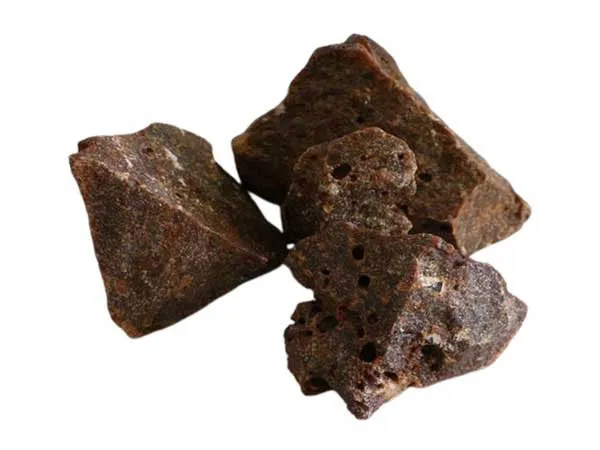
High-density, low-porosity silicon carbide refractory bricks stand out in the industrial furnace refractory material market. Their high-temperature resistance is remarkable. These bricks can withstand temperatures up to 1800°C, far exceeding many traditional refractory materials. This high-temperature tolerance ensures that they maintain their structural integrity in extremely harsh industrial furnace environments.
In addition to high-temperature resistance, they possess excellent thermal stability and thermal shock resistance. Thermal stability means that the physical and chemical properties of the refractory bricks remain stable under long-term high-temperature conditions. Their thermal shock resistance allows them to resist sudden temperature changes without cracking or spalling. For example, in a steelmaking plant, after numerous rapid heating and cooling cycles, these refractory bricks still maintain their performance, while traditional bricks may show signs of damage after only a few cycles.
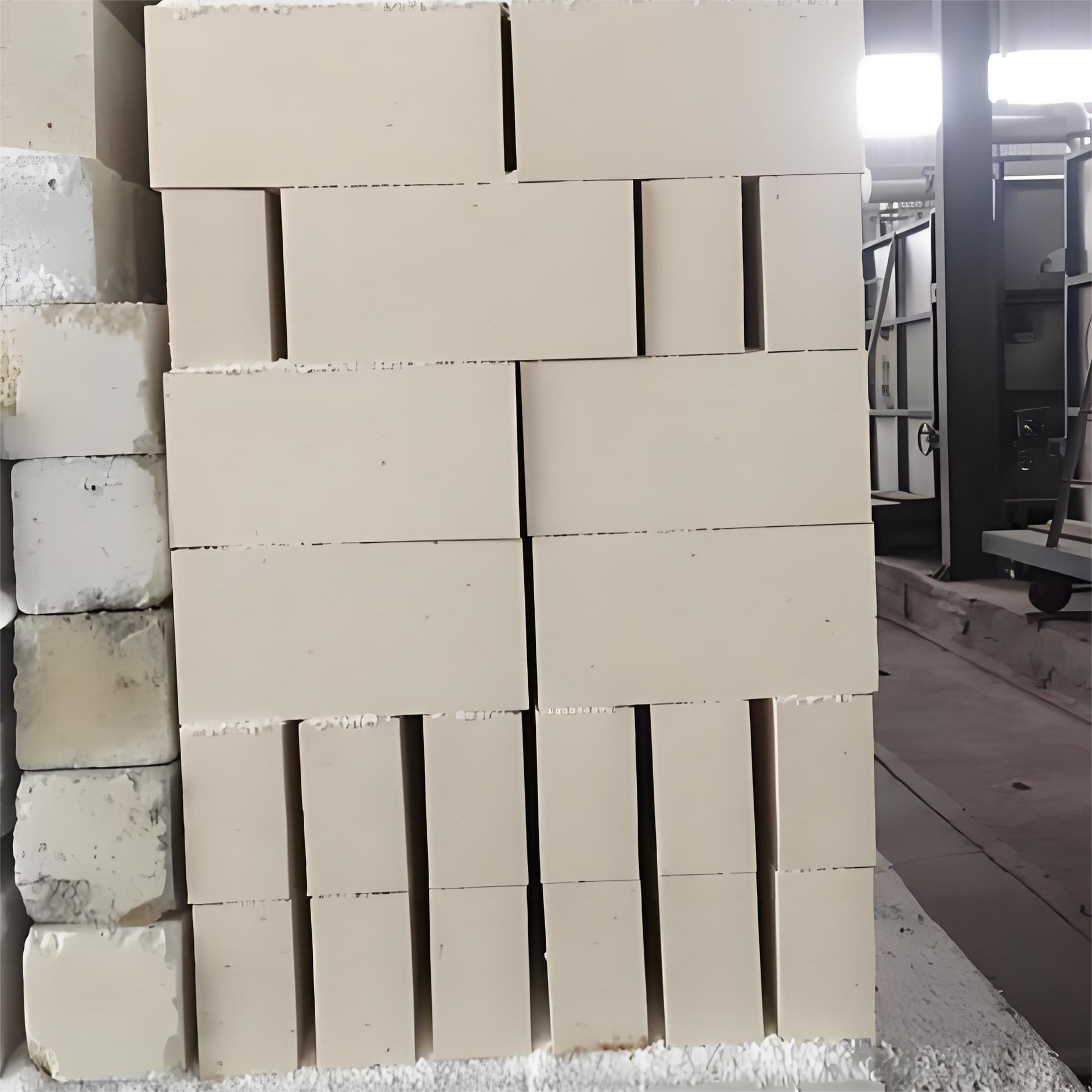
The efficiency of industrial furnaces is crucial for production efficiency and cost control. An efficient industrial furnace can significantly reduce the time required for heating and melting, thereby increasing the output of products. According to industry statistics, using high-quality refractory materials can increase the production efficiency of industrial furnaces by 15% - 20%. At the same time, it can also reduce energy consumption. For every 1% reduction in energy consumption, the production cost can be reduced by a certain percentage, which has a positive impact on cost control.
High-density, low-porosity refractory bricks can meet the actual needs of the industry. Their high-temperature resistance and thermal stability ensure that the furnace can operate stably at high temperatures, while their excellent thermal shock resistance allows the furnace to adapt to different production processes, such as rapid heating and cooling operations in some heat treatment processes.
Strict quality control is the key to ensuring the reliability of refractory bricks. The production process of these refractory bricks includes multiple quality inspection steps, from raw material selection to the final product. Only raw materials that meet strict standards are used, and during the production process, various physical and chemical indicators are continuously monitored. In addition, these refractory bricks have obtained international certifications such as ISO 9001, which provides strong evidence for their quality and reliability.
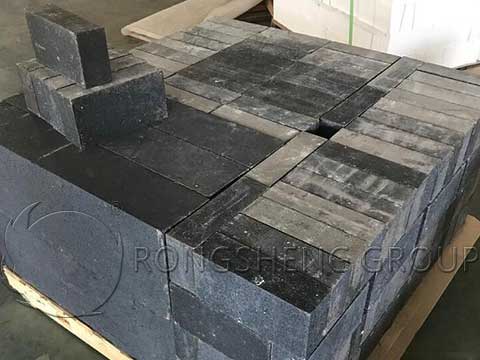
One of the unique features of these refractory bricks is the customized chemical composition services. Different industries and different production processes have different requirements for refractory materials. For example, the glass industry may require refractory bricks with special chemical compositions to prevent chemical reactions with glass components. Our customized services can adjust the chemical composition of refractory bricks according to the specific needs of customers, providing them with more flexible solutions.
Let's take a cement plant as an example. Before using high-density, low-porosity refractory bricks, the service life of the industrial furnace was about 1 year, and frequent repairs were required during operation, which affected production efficiency and increased costs. After replacing with our refractory bricks, the service life of the furnace was extended to more than 3 years, and the production efficiency increased by 18%. At the same time, the maintenance cost was reduced by about 30%. This shows that these refractory bricks can significantly improve furnace efficiency and extend the service life, bringing obvious economic benefits to enterprises.
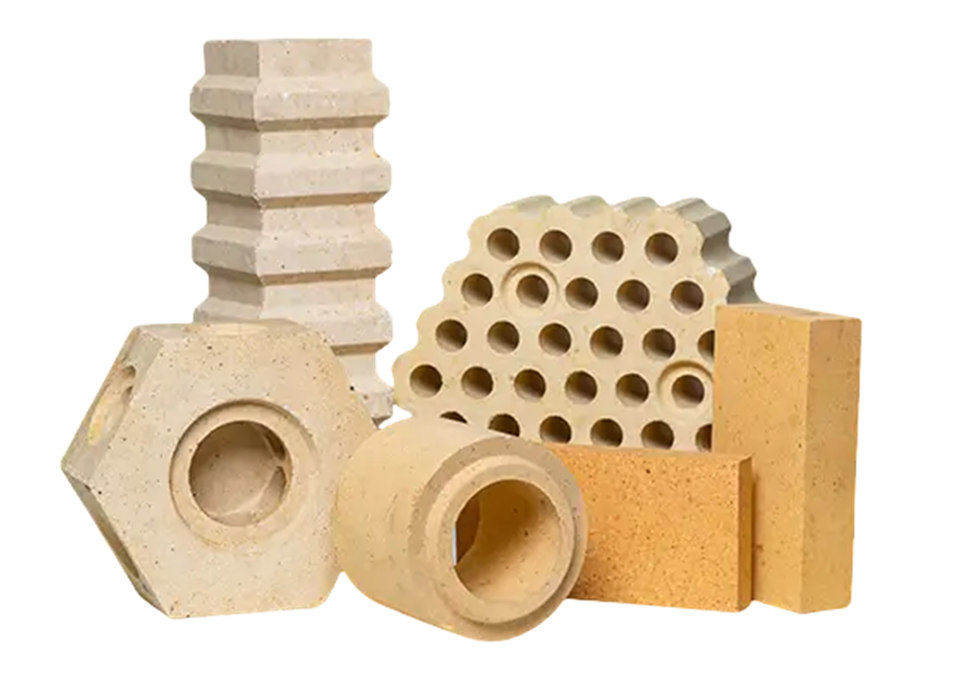
Are you still looking for high-quality refractory materials for your industrial furnace? Do you want to improve the efficiency of your furnace and reduce production costs? If you have any questions or need more information, please leave a message below. We are committed to helping you select the most suitable high-performance refractory materials.
 124
|
124
|
 acid-resistant refractory bricks carbon refractory bricks high-temperature industrial refractory materials CE-certified refractory bricks ISO standard refractory materials
435
|
silicon carbide refractory burner bricks Zhengzhou Rongsheng Refractory Materials industrial furnace high-temperature applications customized service product quality improvement case
127
|
Refractory ball application cases Customized refractory materials High-temperature industrial solutions Mullite refractory balls Regenerative heating furnace accessories
496
|
high-performance black silicon carbide powder high-purity black silicon carbide powder customizable black silicon carbide powder CE and ISO certified black silicon carbide powder industry-leading black silicon carbide powder serving over 2000 customers black silicon carbide powder
165
|
high purity graphite silicon carbide crucible aluminum melting crucible solution industrial crucible with oxidation resistance silicon carbide crucible for high temperature refractory crucible supplier
acid-resistant refractory bricks carbon refractory bricks high-temperature industrial refractory materials CE-certified refractory bricks ISO standard refractory materials
435
|
silicon carbide refractory burner bricks Zhengzhou Rongsheng Refractory Materials industrial furnace high-temperature applications customized service product quality improvement case
127
|
Refractory ball application cases Customized refractory materials High-temperature industrial solutions Mullite refractory balls Regenerative heating furnace accessories
496
|
high-performance black silicon carbide powder high-purity black silicon carbide powder customizable black silicon carbide powder CE and ISO certified black silicon carbide powder industry-leading black silicon carbide powder serving over 2000 customers black silicon carbide powder
165
|
high purity graphite silicon carbide crucible aluminum melting crucible solution industrial crucible with oxidation resistance silicon carbide crucible for high temperature refractory crucible supplier