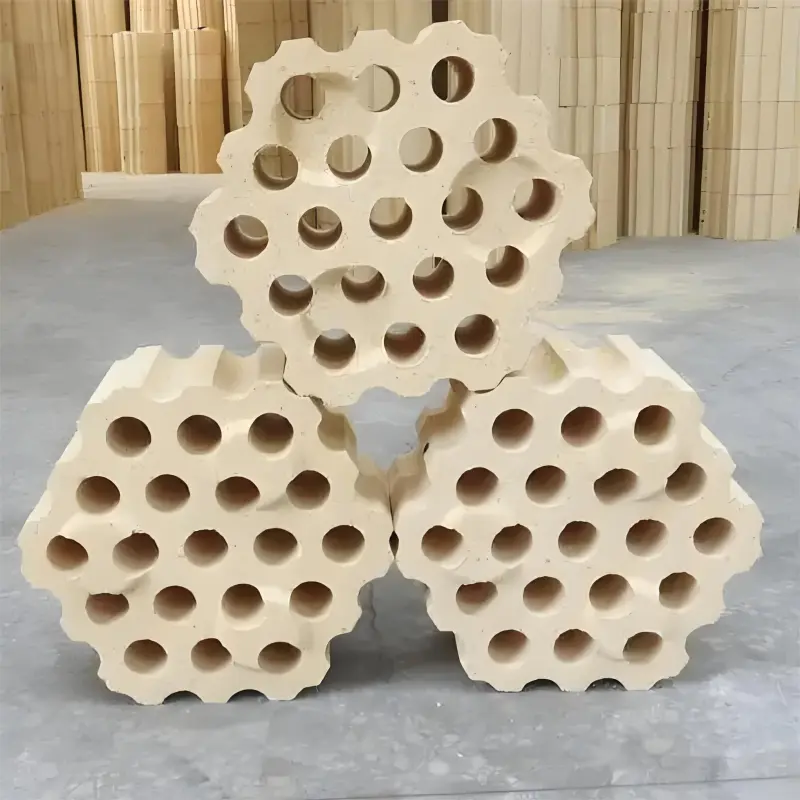
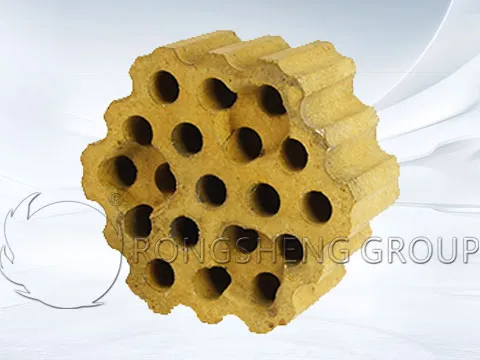
In industries like ceramics, steelmaking, and cement production, kiln performance isn’t just about heat—it’s about precision, safety, and efficiency. The wrong refractory brick can lead to energy waste, frequent maintenance, and even catastrophic failure. So how do you choose?
Industrial kilns often operate between 1,770°C and 2,000°C. At these temperatures, traditional bricks degrade quickly due to thermal shock or poor insulation. According to industry data from the International Refractories Association, over 30% of unplanned furnace downtime in Europe is linked to suboptimal refractory material selection.
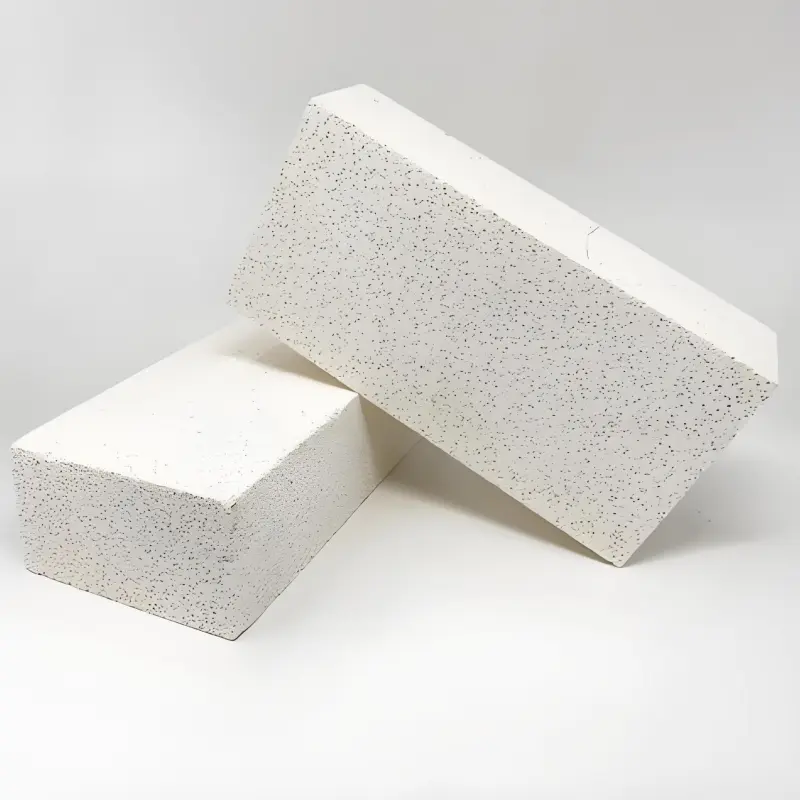
High-alumina refractory bricks—made from premium bauxite sourced directly from Zhengzhou Rongsheng—are engineered for both durability and energy savings. Their exceptional thermal stability comes from a dense microstructure that resists cracking under rapid temperature changes. Meanwhile, their low thermal conductivity helps reduce heat loss by up to 25% compared to standard fireclay bricks—a major cost-saving factor for energy-intensive operations.
This isn’t just theory. A ceramic manufacturer in Turkey reported a 15% drop in fuel consumption after switching to custom-formulated high-alumina bricks from Rongsheng. “It’s not just about surviving high temps—it’s about optimizing every degree,” said their plant manager.
Every kiln has its own story: different materials, cycle times, and chemical environments. That’s why we don’t sell one-size-fits-all bricks—we build tailored solutions. Whether it’s a metallurgical melting furnace in Brazil or a porcelain sintering kiln in Germany, our R&D team works with clients to match composition, density, and installation specs to real-world conditions.
With ISO 9001/14001 certification and CE/TUV approvals, every batch meets global quality standards—not just for compliance, but for confidence.
From lab testing to field deployment, we ensure your refractory system performs as planned—from day one to year five.
As governments worldwide tighten emissions regulations, efficient refractory materials are no longer optional—they’re strategic. In fact, a recent McKinsey report estimates that by 2027, energy-efficient refractories will drive 40% of new kiln investments globally.
If your kiln runs hot—and you want it to run smarter—high-alumina bricks aren’t just a component. They’re a competitive edge.
 247
|
247
|
 High alumina refractory brick procurement FAQs Zhengzhou Kerui refractory materials High alumina refractory brick quality control High alumina refractory brick cost - effectiveness High alumina refractory brick customization service
426
|
direct-bonded magnesia chromite bricks glass furnace refractory materials high-temperature industrial furnace bricks refractory material performance comparison thermal shock resistant refractory bricks
308
|
Ceramic fiber cloth High-temperature corrosion-resistant materials Industrial thermal insulation fabrics Lightweight refractory cloth High-temperature environment solutions
288
|
ceramic fiber paper industrial refractory materials high temperature insulation energy saving insulation custom refractory paper
99
|
industrial furnace insulating bricks energy-efficient refractory materials mullite insulating bricks high-temperature refractory bricks industrial furnace energy-saving solutions
High alumina refractory brick procurement FAQs Zhengzhou Kerui refractory materials High alumina refractory brick quality control High alumina refractory brick cost - effectiveness High alumina refractory brick customization service
426
|
direct-bonded magnesia chromite bricks glass furnace refractory materials high-temperature industrial furnace bricks refractory material performance comparison thermal shock resistant refractory bricks
308
|
Ceramic fiber cloth High-temperature corrosion-resistant materials Industrial thermal insulation fabrics Lightweight refractory cloth High-temperature environment solutions
288
|
ceramic fiber paper industrial refractory materials high temperature insulation energy saving insulation custom refractory paper
99
|
industrial furnace insulating bricks energy-efficient refractory materials mullite insulating bricks high-temperature refractory bricks industrial furnace energy-saving solutions