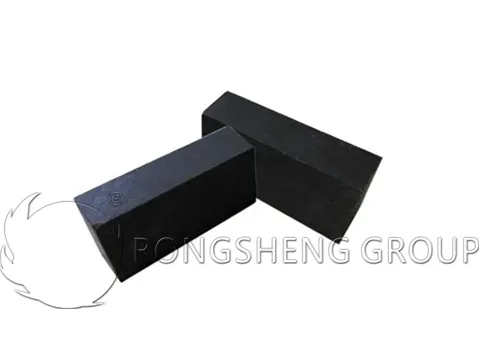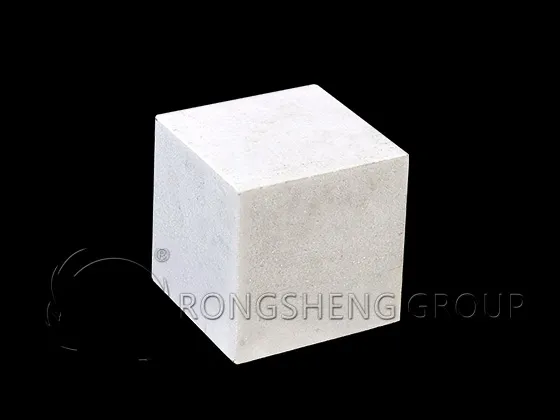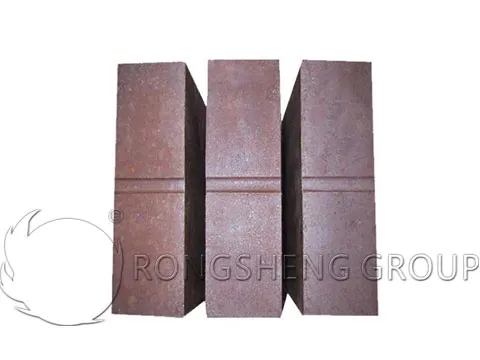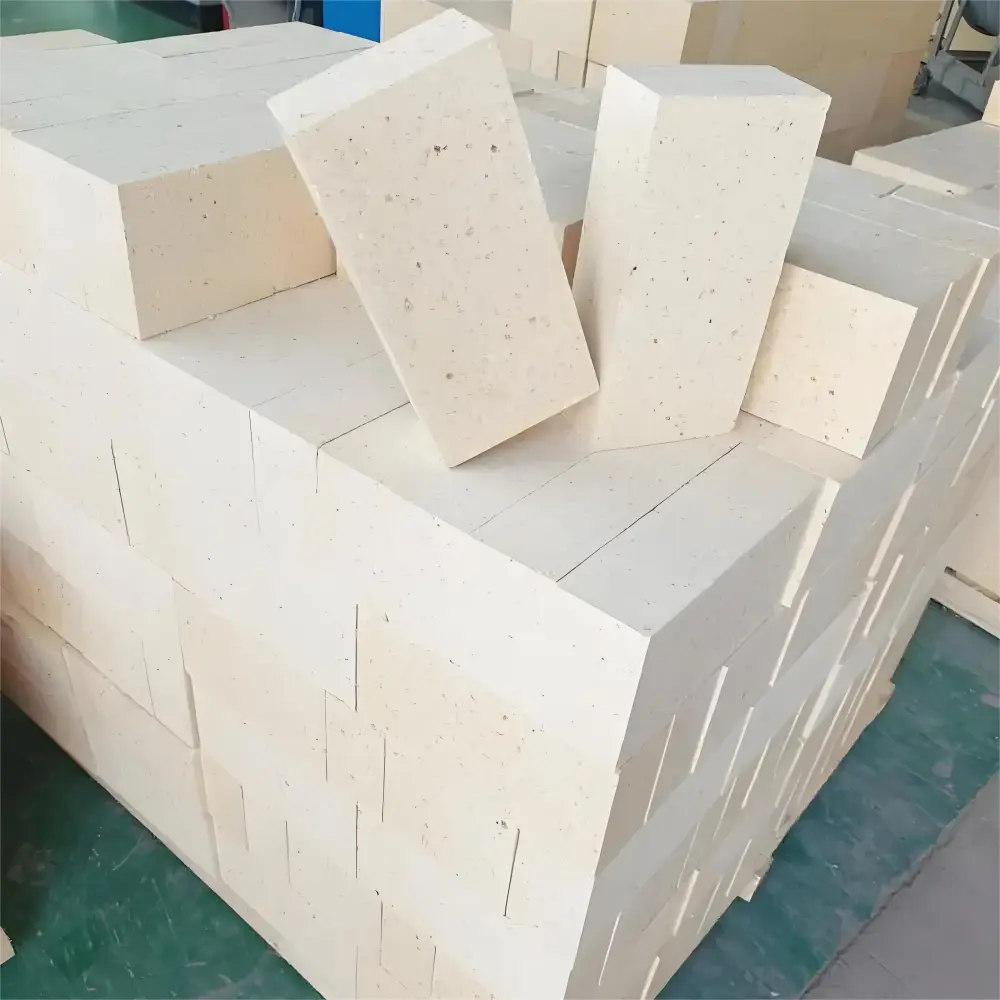
As a procurement or technical professional in the high-temperature industrial furnace industry, you may have encountered situations where wrong selection of magnesia-chrome bricks leads to kiln damage or even production shutdown. According to industry data, nearly 30% of kiln failures are related to improper refractory material selection, which can cause significant cost waste. For example, replacing damaged kiln parts and the loss of production time can add up to a large sum of money. So, how can you avoid these pitfalls and make the right choice?
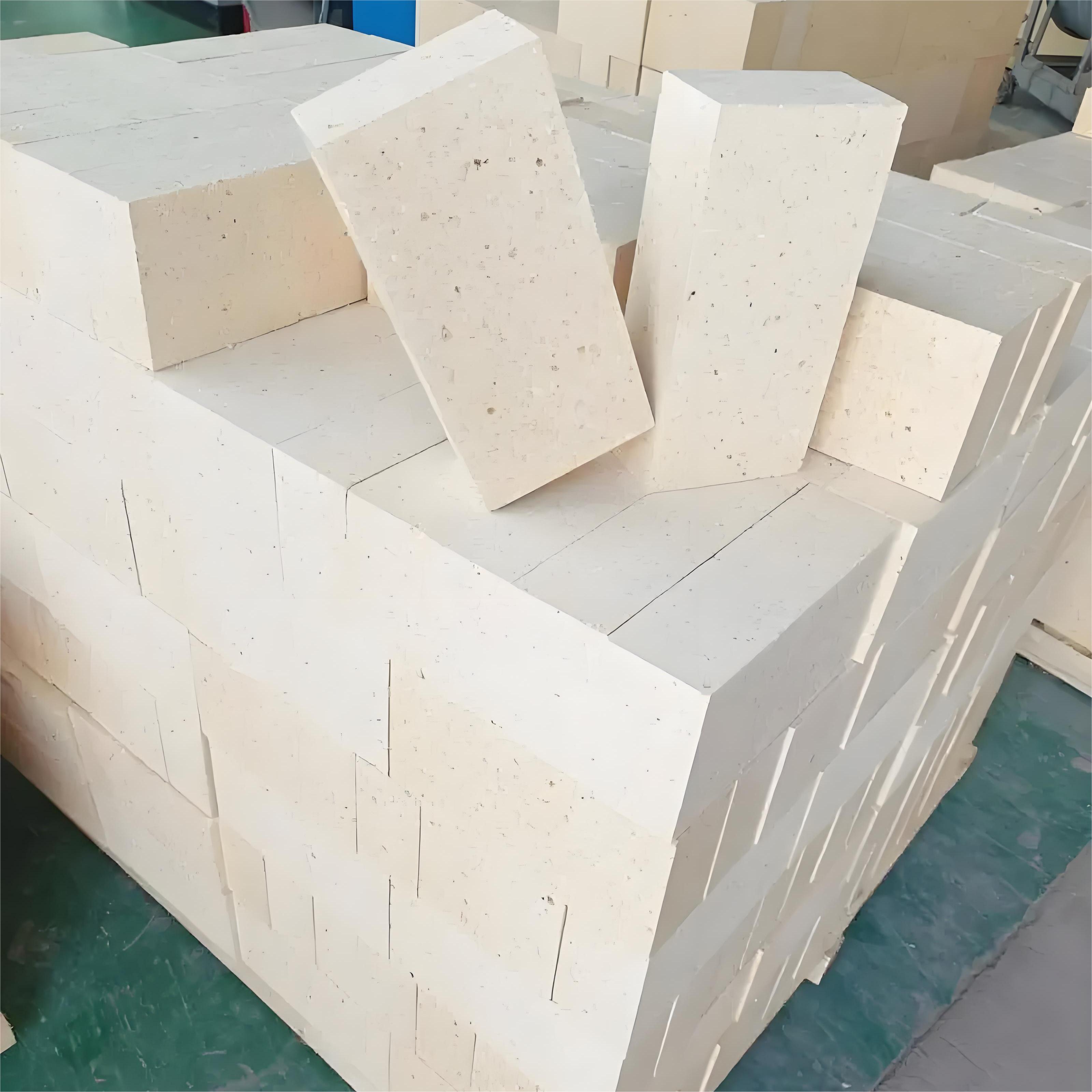
Let's start by understanding the key performance parameters of directly bonded magnesia-chrome bricks. These parameters are crucial for the stability of the furnace body.
There are mainly three bonding methods for magnesia-chrome bricks: directly bonded, semi - bonded, and fused - cast. Each has its own applicable scenarios and advantages.
| Bonding Method | Applicable Scenarios | Advantages |
|---|---|---|
| Directly Bonded | High - temperature and high - stress environments, such as steelmaking and cement kilns | Excellent high - temperature stability, good thermal shock resistance, and long service life |
| Semi - Bonded | Medium - temperature furnaces with relatively stable operating conditions | Lower cost, suitable for general applications |
| Fused - Cast | High - end applications with extremely high temperature and corrosive environments, such as some chemical furnaces | High density, excellent corrosion resistance |
When selecting directly bonded magnesia-chrome bricks, you need to consider the actual working conditions of the furnace, including temperature range, atmosphere environment, and operation frequency.
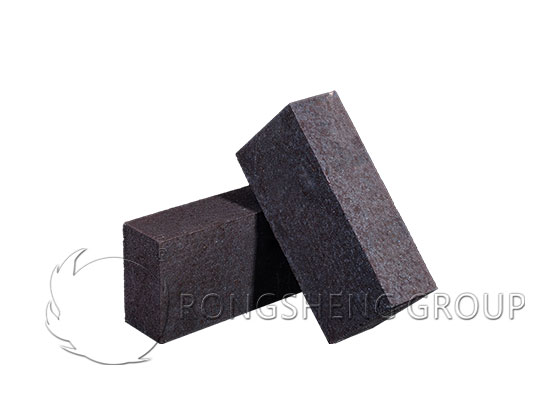
Let's take a look at a real - world example. Zhengzhou Rongsheng, a well - known company in the industry, has successfully applied directly bonded magnesia-chrome bricks in their high - temperature industrial furnaces. By carefully selecting the right bricks according to the working conditions, they have increased the service life of their kilns by up to 30% and reduced the maintenance cost by 20%. This case shows that with the right selection of magnesia-chrome bricks, you can significantly improve the efficiency and reduce the cost of your industrial furnaces.
It's important to choose certified products from正规渠道. Non - standard or inferior bricks may not meet the required performance standards, which can lead to safety hazards and economic losses. For example, using low - quality bricks may cause the furnace to malfunction, resulting in production shutdown and potential safety risks. So, always make sure to purchase products from reliable suppliers with relevant certifications.
Do you have any questions about directly bonded magnesia-chrome brick selection? Feel free to leave your questions below, and we'll do our best to answer them.
 461
|
461
|
 custom refractory bricks nitrogen-bonded silicon carbide brick high-temperature refractory materials industrial furnace energy efficiency refractory brick for steel plants
104
|
ceramic fiber blanket high temperature insulation material thermal stability testing industrial refractory materials fireproof insulation solutions
282
|
Zhengzhou Rongsheng Refractory Materials Cast 33# AZS bricks Glass Industry High-Temperature Applications Internationally Certified Refractory Bricks Pollution-Resistant Refractory Bricks
179
|
Corundum refractory balls High - temperature refractory materials Zhengzhou Rongsheng refractory materials Customized refractory balls Thermally stable refractory materials
380
|
calcined anthracite carbon additive high temperature carbon additive steelmaking carbon source customized carbon additive metallurgical carbon enhancer
custom refractory bricks nitrogen-bonded silicon carbide brick high-temperature refractory materials industrial furnace energy efficiency refractory brick for steel plants
104
|
ceramic fiber blanket high temperature insulation material thermal stability testing industrial refractory materials fireproof insulation solutions
282
|
Zhengzhou Rongsheng Refractory Materials Cast 33# AZS bricks Glass Industry High-Temperature Applications Internationally Certified Refractory Bricks Pollution-Resistant Refractory Bricks
179
|
Corundum refractory balls High - temperature refractory materials Zhengzhou Rongsheng refractory materials Customized refractory balls Thermally stable refractory materials
380
|
calcined anthracite carbon additive high temperature carbon additive steelmaking carbon source customized carbon additive metallurgical carbon enhancer