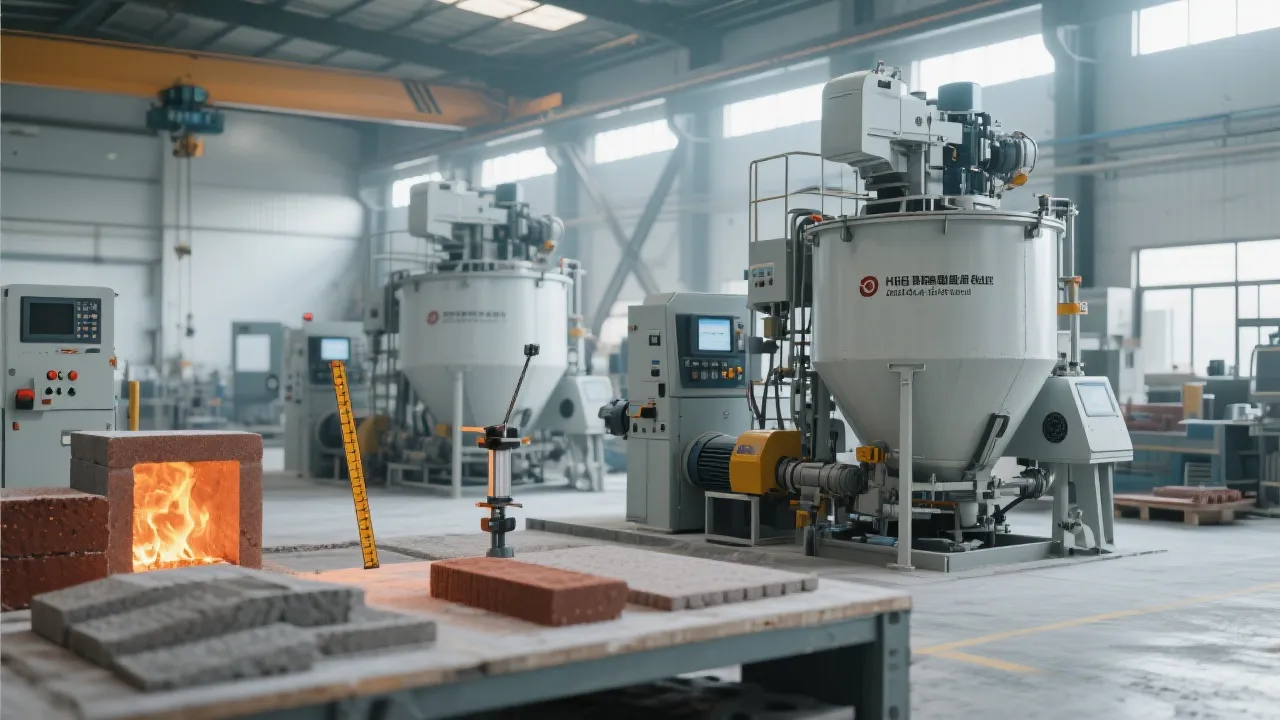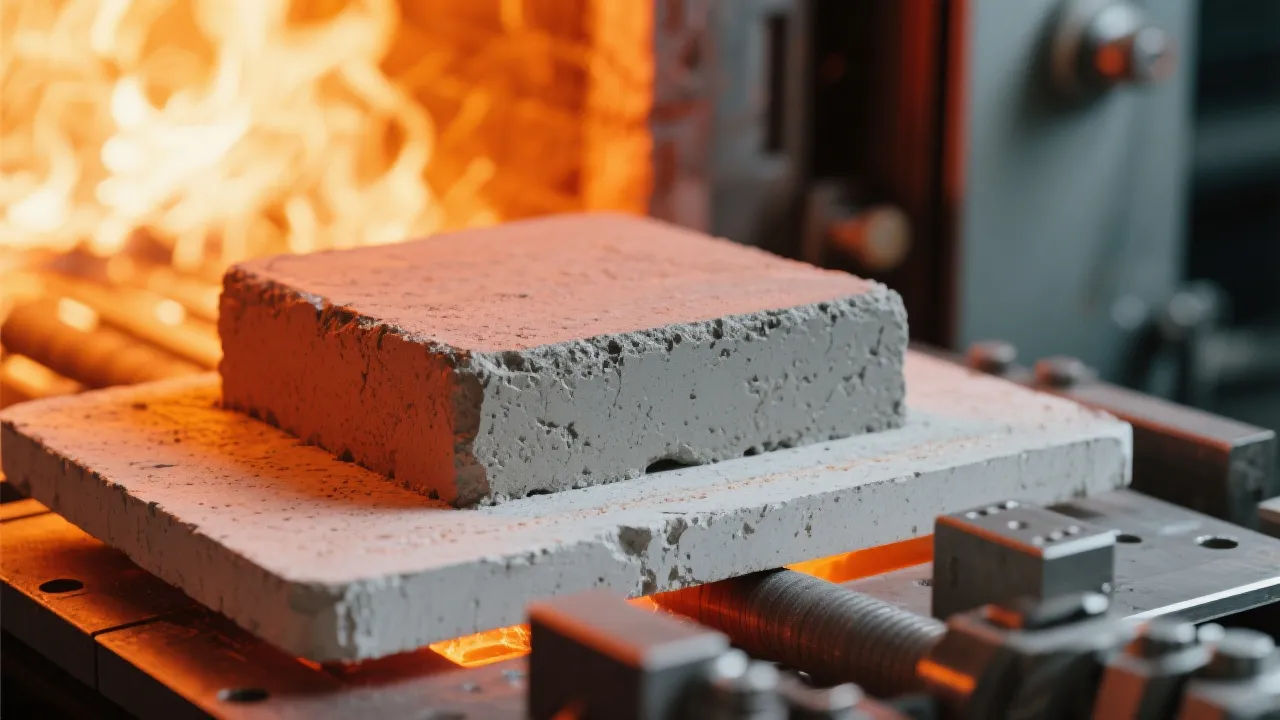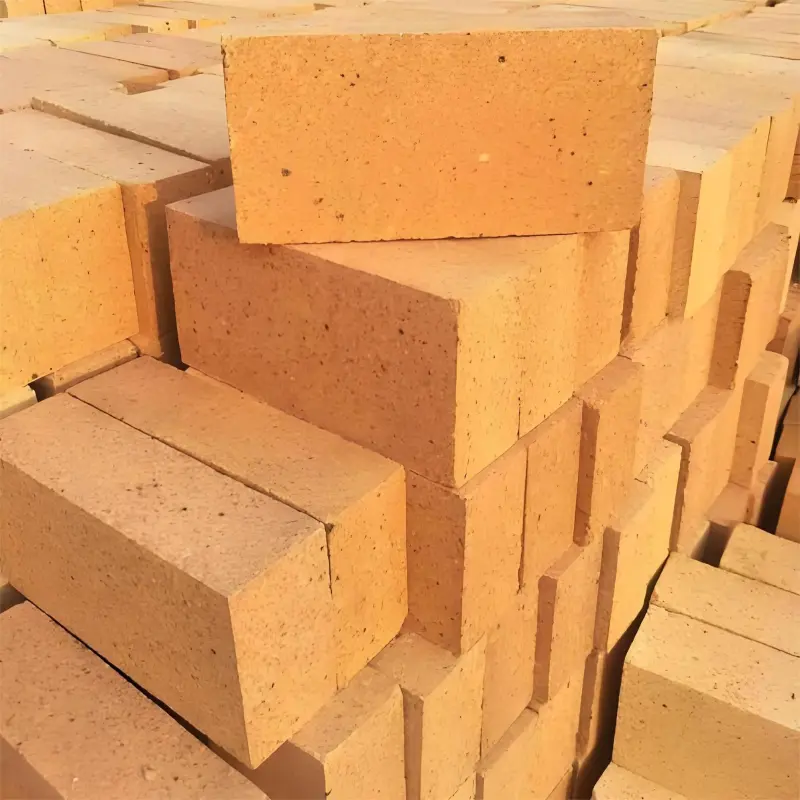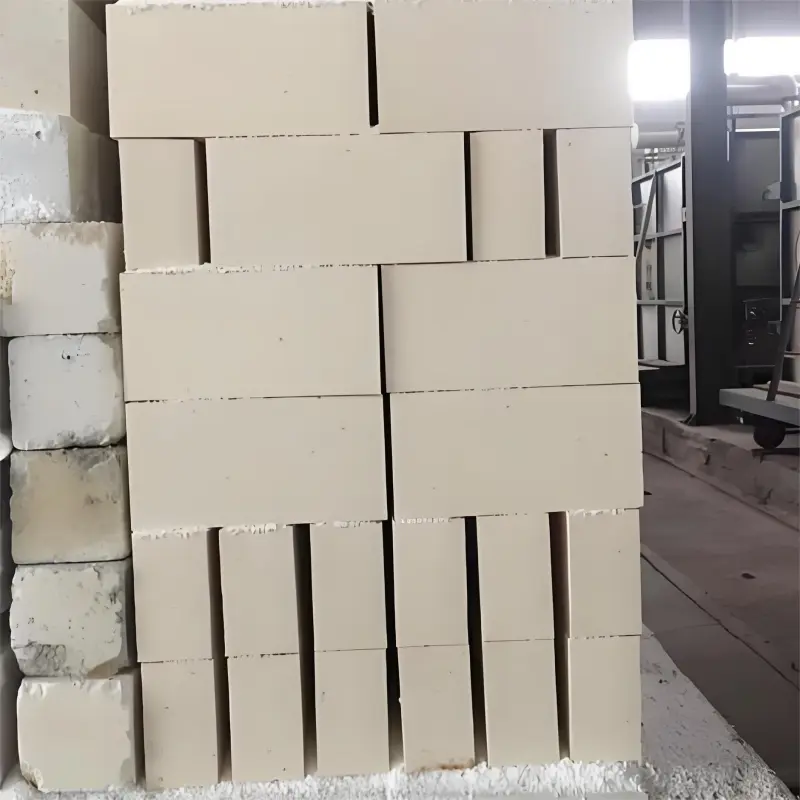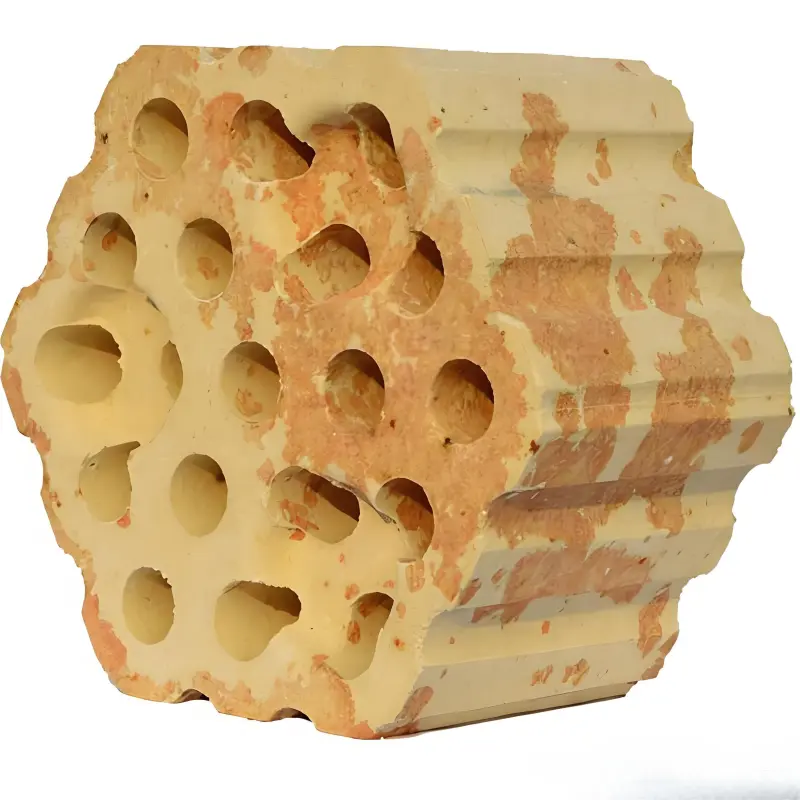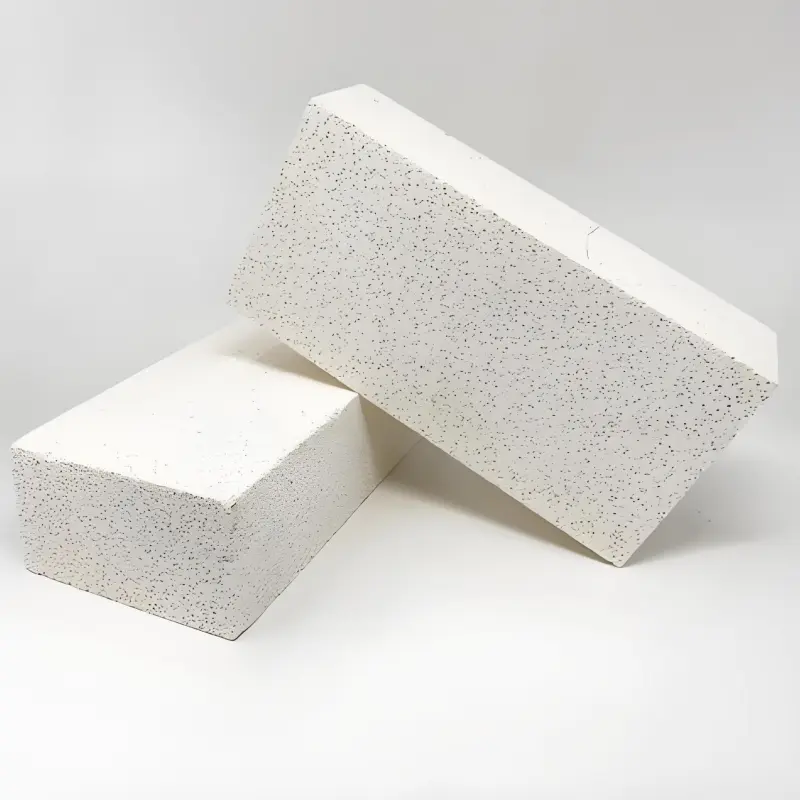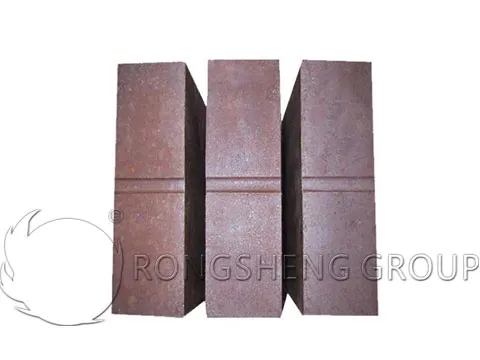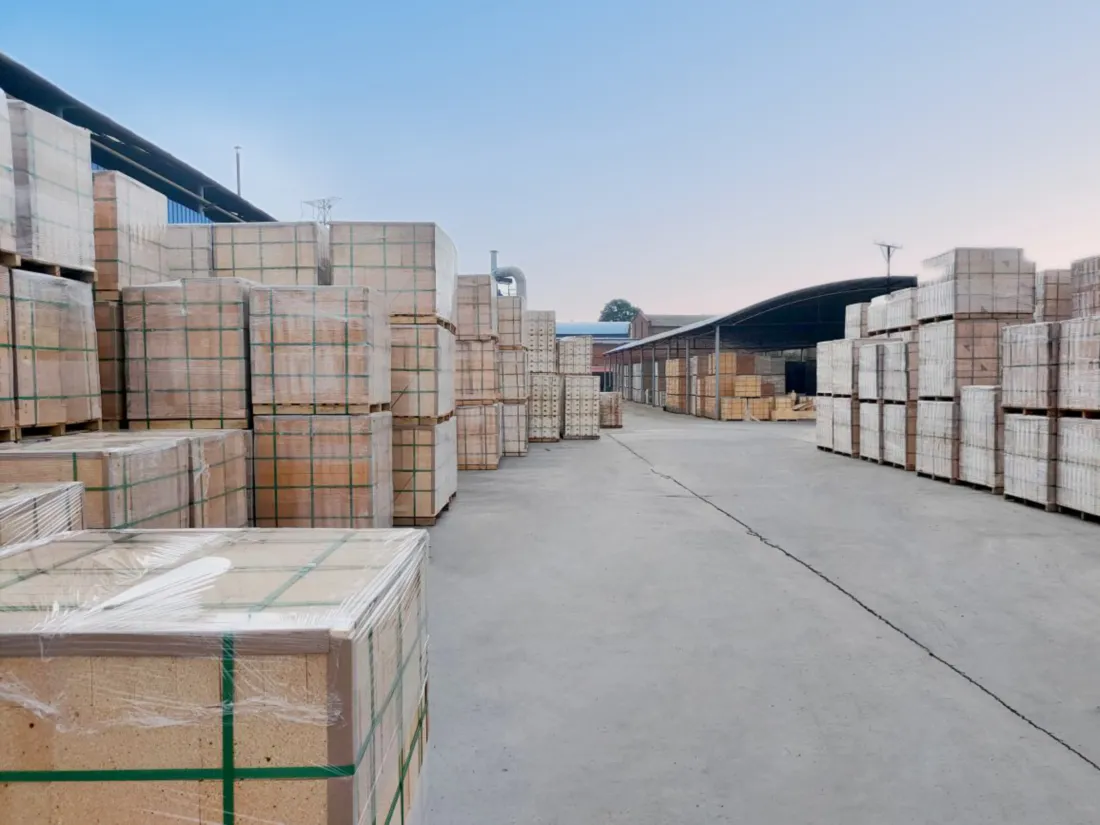
In the high-temperature industrial furnace sector, magnesia-chrome bricks play a crucial role, especially in glass kilns. Zhengzhou Rongsheng Refractory Material Co., Ltd. offers high - quality magnesia-chrome bricks that have been trusted by over 2000 customers globally. This article will guide you through the entire installation process and key maintenance techniques of magnesia-chrome bricks in glass kilns, combined with real - world application cases.
The installation of magnesia-chrome bricks in glass kilns is a complex process that requires strict adherence to procedures. First, the base surface treatment is essential. A smooth and clean base surface can ensure the stability of the brickwork. Any unevenness or debris on the base surface may lead to stress concentration and affect the overall performance of the kiln.
Next is the masonry sequence. Usually, the bricks should be laid from the bottom - up and from the inside - out. This way, it can ensure the integrity of the structure. During the masonry process, it is necessary to leave appropriate expansion joints to accommodate the thermal expansion of the bricks at high temperatures. Failure to do so may cause the bricks to crack or even damage the kiln structure.

Common mistakes during installation include improper mortar application and incorrect alignment of bricks. Improper mortar application may lead to poor bonding between bricks, reducing the overall strength of the structure. Incorrect alignment can also cause uneven stress distribution, which is a potential safety hazard.
Let's take a look at some real - world cases. A glass factory in Europe was facing problems such as short kiln lifespan and high energy consumption. After replacing the original refractory materials with Zhengzhou Rongsheng's magnesia-chrome bricks, significant improvements were observed. The lifespan of the kiln was extended by 30%, and the heat consumption was reduced by 15%.
Magnesia-chrome bricks have excellent high - temperature stability and corrosion resistance. In the harsh environment of glass kilns, they can effectively resist the erosion of high - temperature molten glass and various chemical substances, ensuring the continuous and stable operation of the kiln. This not only improves production efficiency but also reduces maintenance costs and equipment replacement frequency.
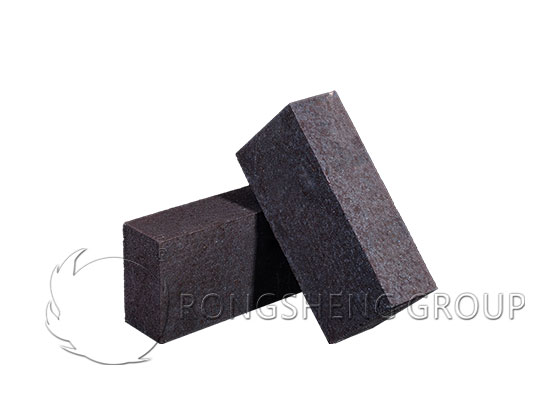
Regular maintenance is crucial for the long - term performance of magnesia-chrome bricks. The maintenance cycle is usually recommended to be once every three months. During the maintenance process, key inspection points include the integrity of the brickwork, the condition of the expansion joints, and the degree of corrosion of the bricks.
If any abnormal situations are found, such as cracks or excessive corrosion, corresponding measures should be taken immediately. For minor cracks, repair mortar can be used for filling; for severely damaged areas, the bricks need to be replaced in time to avoid further damage to the kiln.

Do you often encounter problems such as short kiln lifespan and high energy consumption in your factory? Are you looking for a reliable refractory material solution? Zhengzhou Rongsheng's magnesia-chrome bricks can provide you with a high - quality answer. With our professional products and services, you can effectively improve the performance of your kiln, reduce costs, and enhance your factory's competitiveness.
If you want to learn more about our magnesia-chrome bricks and how they can transform your glass kiln operations, click here to explore further. Let Zhengzhou Rongsheng be your partner in high - temperature industrial furnace solutions!
 134
|
134
|
 direct-bonded magnesia-chrome brick
thermal shock resistance
glass furnace refractory
high-temperature stability
refractory lining life
59
|
ceramic fiber board
high-temperature insulation materials
energy-saving refractory solutions
customized thermal insulation
ISO CE certified refractory products
350
|
High-alumina insulation bricks
High-temperature industrial insulation materials
Thermal insulation solutions
Refractory material applications
Energy-saving refractories
251
|
Silica brick manufacturing technology
High bulk density refractory bricks
Refractory materials for hot blast stoves
Customized refractory brick services
Industrial high - temperature solutions
380
|
calcined anthracite carbon additive
high temperature carbon additive
steelmaking carbon source
customized carbon additive
metallurgical carbon enhancer
direct-bonded magnesia-chrome brick
thermal shock resistance
glass furnace refractory
high-temperature stability
refractory lining life
59
|
ceramic fiber board
high-temperature insulation materials
energy-saving refractory solutions
customized thermal insulation
ISO CE certified refractory products
350
|
High-alumina insulation bricks
High-temperature industrial insulation materials
Thermal insulation solutions
Refractory material applications
Energy-saving refractories
251
|
Silica brick manufacturing technology
High bulk density refractory bricks
Refractory materials for hot blast stoves
Customized refractory brick services
Industrial high - temperature solutions
380
|
calcined anthracite carbon additive
high temperature carbon additive
steelmaking carbon source
customized carbon additive
metallurgical carbon enhancer