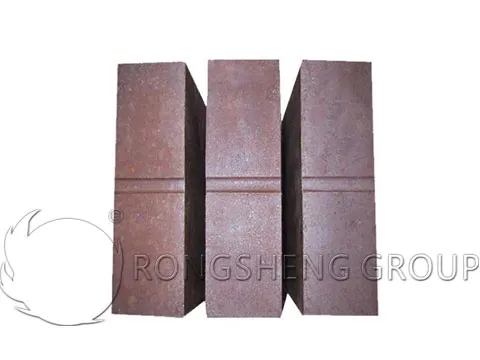
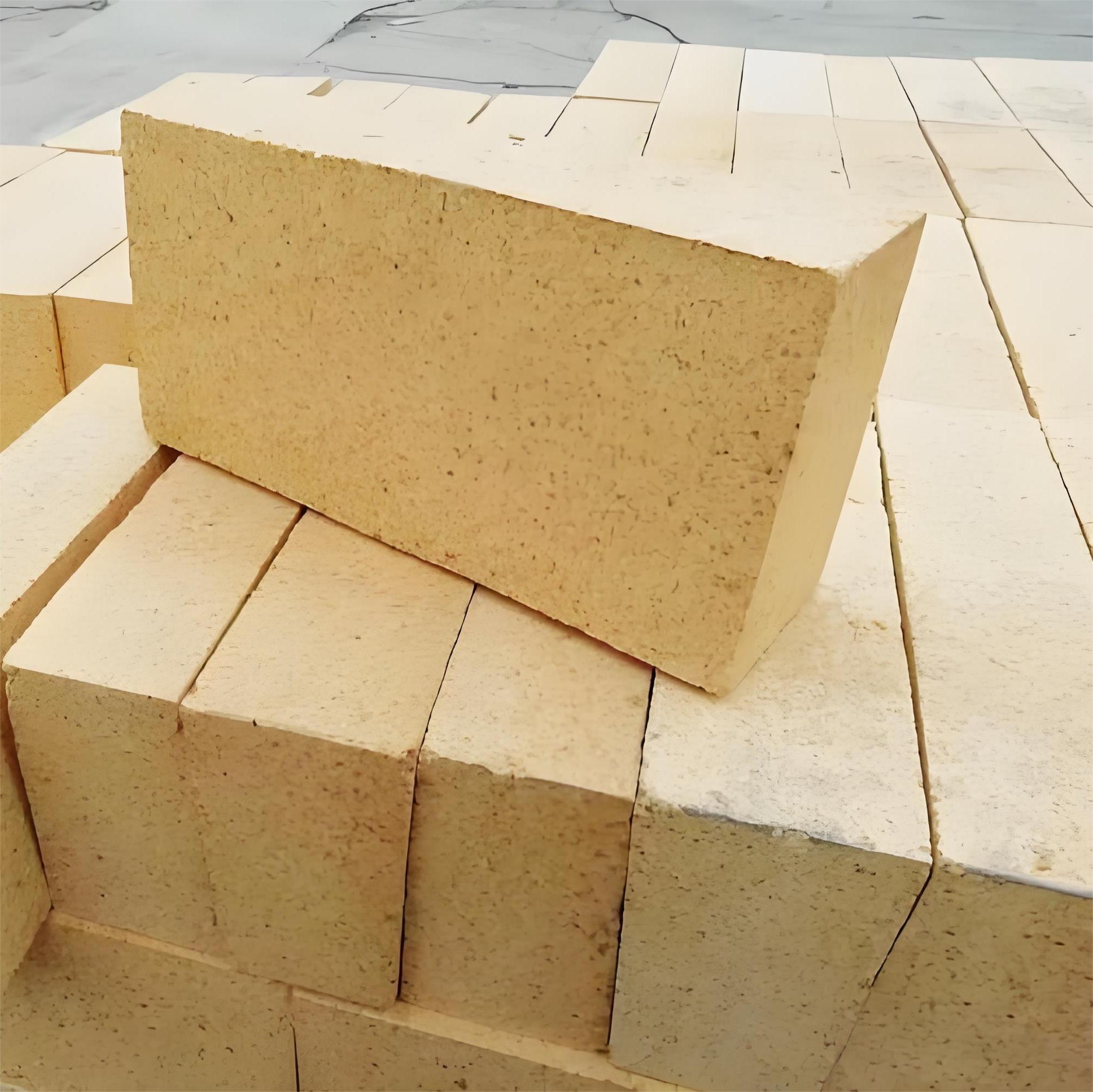
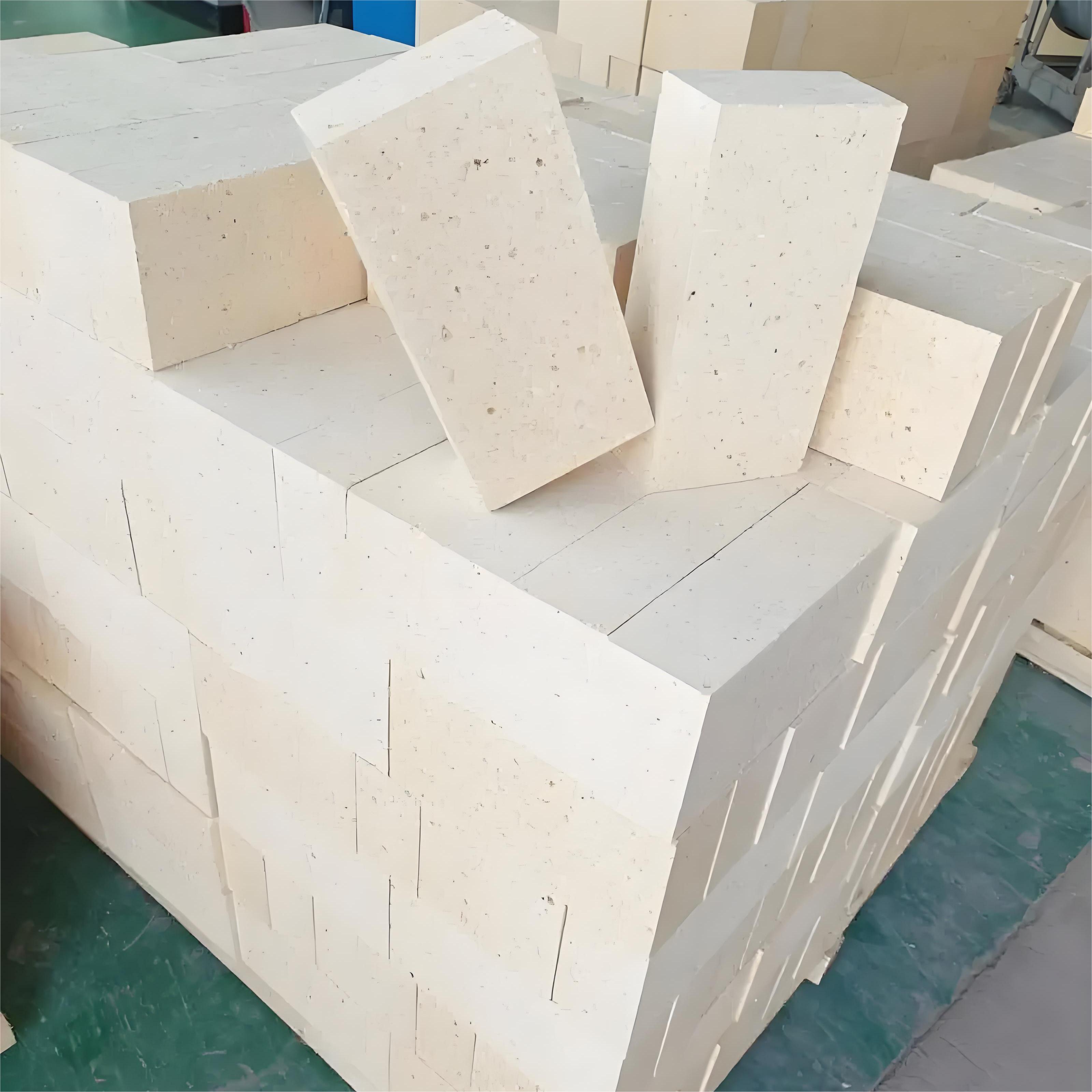
In the realm of high-temperature industrial operations, refractory materials stand as the cornerstone ensuring operational integrity and energy efficiency. Among them, direct-bonded magnesia-chrome bricks have emerged as a leading solution, especially for challenging environments such as glass furnaces. Zhengzhou Rongsheng Refractories Co., Ltd. has pioneered the manufacturing of these bricks, which demonstrate exceptional performance across diverse high-temperature applications.
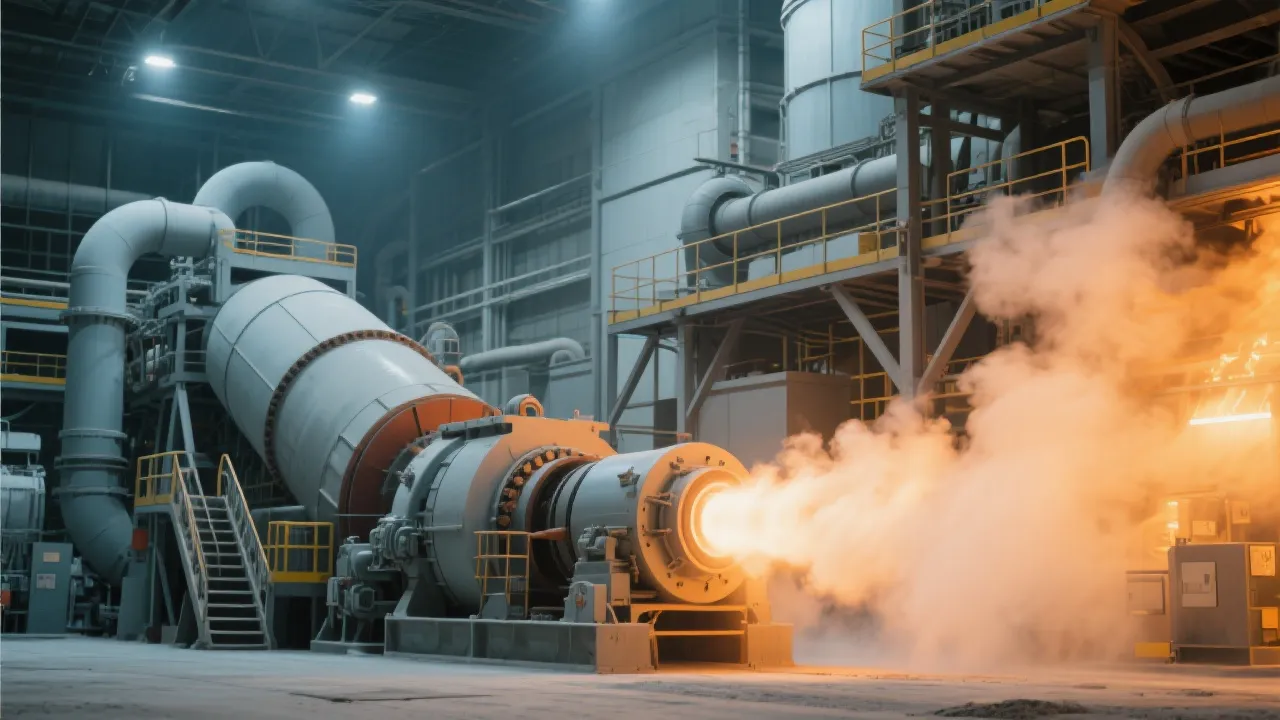
Industrial furnaces operate under varying conditions, requiring refractories that balance thermal stability with resistance to chemical and mechanical stresses. Rotary cement kilns must withstand fluctuating temperatures up to 1600°C with abrasive environments; steelmaking furnaces encounter slag corrosion and thermal shock frequently, while glass furnaces operate continuously at temperatures exceeding 1400°C under chemically aggressive atmospheres.
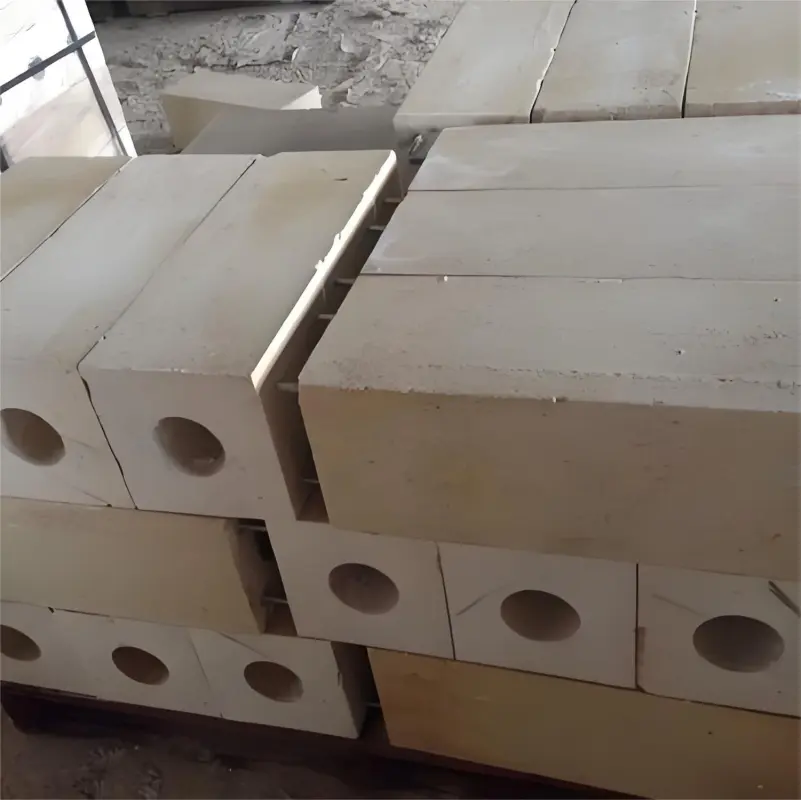
Direct-bonded magnesia-chrome bricks combine the advantages of high magnesia content for corrosion resistance and chromic oxide for enhanced mechanical strength. Manufactured with stringent quality standards, they meet international certifications including ISO 9001 and ASTM refractory standards, ensuring global clients' trust and product consistency.
A comprehensive study conducted by Zhengzhou Rongsheng evaluated brick life cycle and maintenance requirements across various furnace types:
These metrics highlight not only material resilience but also substantial operational efficiency gains realized through decreased maintenance needs and prolonged service life.
The following features underpin the superior performance of these bricks in glass furnace applications:
These advantages translate directly into lowered operational expenses and greater production uptime, providing a competitive edge for industrial glass manufacturers.
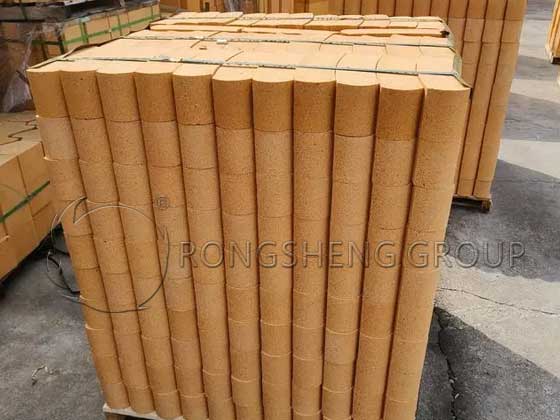
A mid-sized glass manufacturing plant recently integrated Rongsheng’s direct-bonded magnesia-chrome bricks into its main furnace refractory lining. Previously plagued by frequent shutdowns due to refractory failure and corrosion, the plant saw a dramatic shift post-upgrade.
After one year of service, the plant reported:
This practical success story exemplifies how data-backed refractory selection combined with expert material engineering drives operational excellence.
| Parameter | Conventional Silica Brick | Direct-Bonded Magnesia-Chrome Brick |
|---|---|---|
| Thermal Shock Resistance (cycles @ 1000°C) | 50 | 150 |
| Corrosion Rate (mm/year) | 2.4 | 0.9 |
| Mechanical Strength (MPa) | 35 | 50+ |
| Service Life (months) | 7-9 | 12-14 |
With diverse refractory options available, the choice boils down to balancing initial investment with long-term operational benefits. Industry professionals are urged to consider:
Only by addressing these factors can enterprises harness the full potential of direct-bonded magnesia-chrome bricks to optimize furnace reliability and operational efficiencies.
 155
|
155
|
 high alumina refractory balls
custom refractory solutions
hot blast stove refractory
thermal stability refractory
industrial refractory materials
176
|
High - alumina clay checker bricks
Refractory material performance analysis
Energy - saving solutions for industrial kilns
Checker brick application cases
High - temperature refractory technology
52
|
Customized castables
Foundry furnace refractory materials
Industrial refractory material procurement
Refractory castable performance
Rongsheng Refractory Materials
448
|
thermal shock resistant refractory materials
high-temperature refractory castables
refractory solutions for industrial equipment
advanced refractory material technology
custom refractory solutions
436
|
wear-resistant refractory castables
high-temperature industry solutions
ISO9001 certified refractory materials
customizable refractory compositions
silicon carbide refractory products
high alumina refractory balls
custom refractory solutions
hot blast stove refractory
thermal stability refractory
industrial refractory materials
176
|
High - alumina clay checker bricks
Refractory material performance analysis
Energy - saving solutions for industrial kilns
Checker brick application cases
High - temperature refractory technology
52
|
Customized castables
Foundry furnace refractory materials
Industrial refractory material procurement
Refractory castable performance
Rongsheng Refractory Materials
448
|
thermal shock resistant refractory materials
high-temperature refractory castables
refractory solutions for industrial equipment
advanced refractory material technology
custom refractory solutions
436
|
wear-resistant refractory castables
high-temperature industry solutions
ISO9001 certified refractory materials
customizable refractory compositions
silicon carbide refractory products