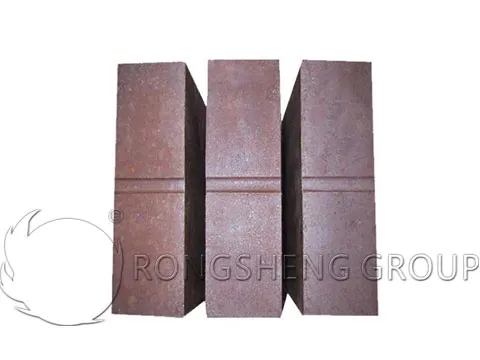
Industrial furnaces within steel plants and allied sectors such as glass and cement manufacturing encounter relentless temperature fluctuations reaching beyond 1500°C. These abrupt changes induce severe thermal shock, leading to accelerated deterioration of refractory linings. The consequences range from unscheduled downtime to soaring maintenance costs, impacting productivity and profitability.
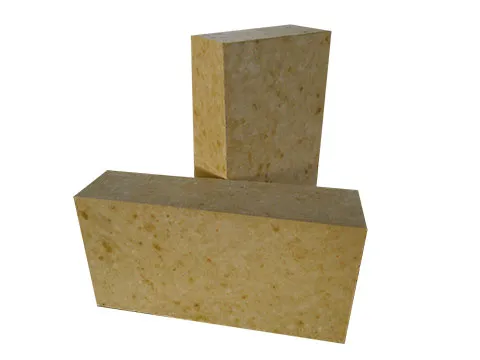
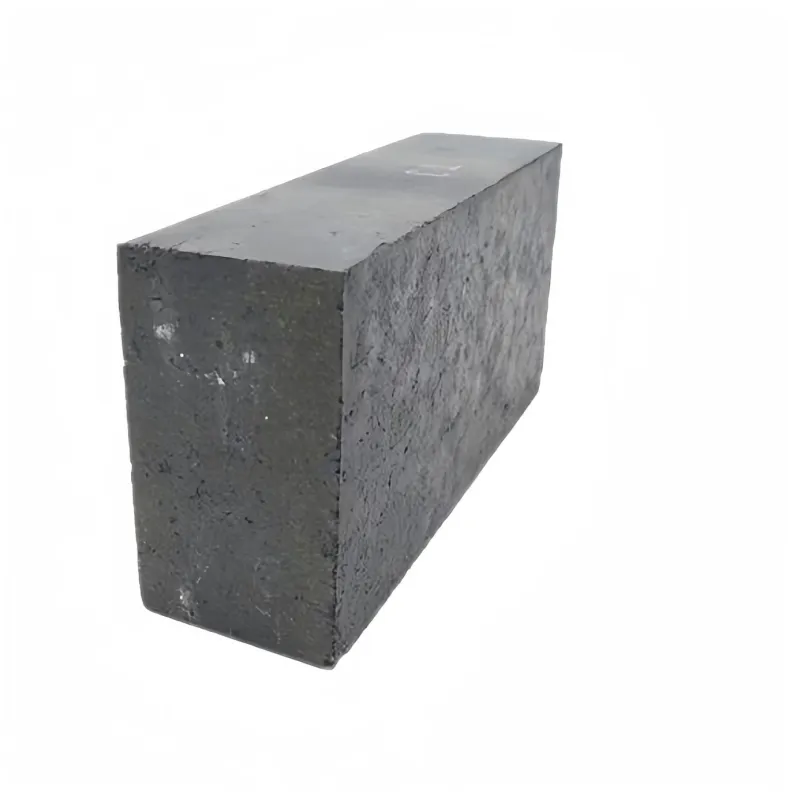
Direct-bonded magnesia-chrome bricks stand out by combining superior thermal shock resistance with exceptional high-temperature structural integrity. Think of them as the “shock absorbers” in an industrial furnace system—their unique matrix composition allows the bricks to flexibly withstand fast heating and cooling cycles without cracking, unlike conventional firebricks that become brittle and fail sooner.
“Since switching to direct-bonded magnesia-chrome bricks six months ago, our furnace maintenance frequency dropped by nearly 40%. The stability under high thermal cycling is impressive.” – Plant Manager, Leading Steel Manufacturer
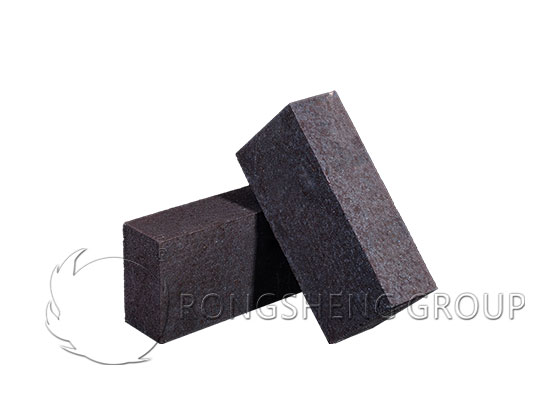
Steel, glass, and cement industries have rigorously tested direct-bonded magnesia-chrome bricks under harsh operational demands:
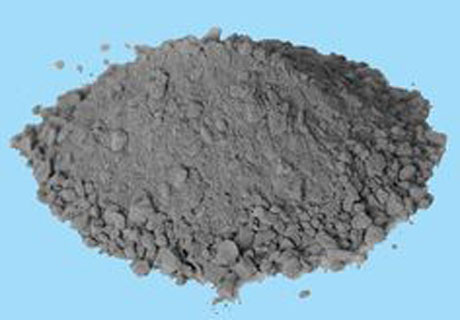
Traditional high-alumina and silica firebricks typically fall short in high thermal cycling conditions, with premature cracking and erosion causing costly disruptions. In contrast, direct-bonded magnesia-chrome bricks’ grain structure and bonding chemistry deliver:
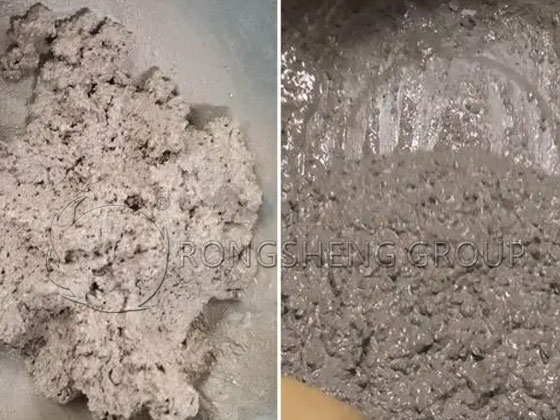
As operating conditions and challenges vary, selecting the optimal refractory solution requires more than generic advice. We invite industry professionals to share their specific concerns and furnace configurations, enabling us to pin-point tailored magnesia-chrome brick solutions designed to maximize uptime and lower lifecycle costs.
What challenges have you encountered with your current refractory linings? How much downtime do temperature-induced failures cost your operations annually?
Leave your thoughts or questions below — let’s collaborate on elevating your furnace performance.
 471
|
471
|
 Ceramic fiber cotton High - temperature insulation materials Energy saving in the steel industry Insulation of metallurgical furnaces Refractory materials manufacturers
298
|
ceramic fiber fabric high temperature industrial ceramic fiber布 lightweight refractory material high temperature insulation fabric corrosion resistant ceramic fabric
180
|
refractory mortar for thermal shock high performance refractory materials thermal shock resistant refractory solutions custom refractory material solutions international certified refractory products
269
|
Heat-resistant ceramic fiber paper Energy efficiency improvement Refractory material customization Industrial energy-saving materials Zhengzhou Rongsheng
124
|
precast refractory brick high-performance precast refractory brick industrial precast refractory brick precast refractory brick technology knowledge precast refractory brick customized solutions
Ceramic fiber cotton High - temperature insulation materials Energy saving in the steel industry Insulation of metallurgical furnaces Refractory materials manufacturers
298
|
ceramic fiber fabric high temperature industrial ceramic fiber布 lightweight refractory material high temperature insulation fabric corrosion resistant ceramic fabric
180
|
refractory mortar for thermal shock high performance refractory materials thermal shock resistant refractory solutions custom refractory material solutions international certified refractory products
269
|
Heat-resistant ceramic fiber paper Energy efficiency improvement Refractory material customization Industrial energy-saving materials Zhengzhou Rongsheng
124
|
precast refractory brick high-performance precast refractory brick industrial precast refractory brick precast refractory brick technology knowledge precast refractory brick customized solutions