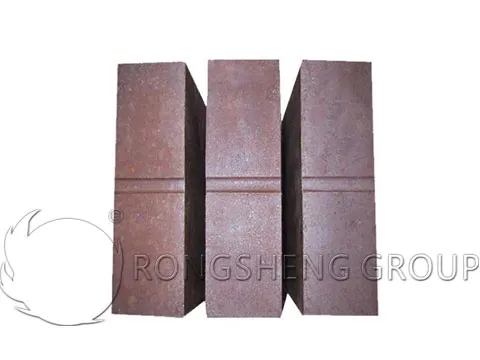
In the high-stakes environment of steel production, the choice of refractory materials for high-temperature industrial furnaces is critical. The durability, safety, and efficiency of these furnaces hinge on materials that can withstand extreme conditions, minimizing downtime and maintenance costs. Among the multitude of options, direct bonded magnesia-chrome (mag-chrome) bricks have emerged as the gold standard. This industry preference is driven by a combination of superior thermal shock resistance, exceptional high-temperature stability, robust compressive strength, and outstanding refractory performance.
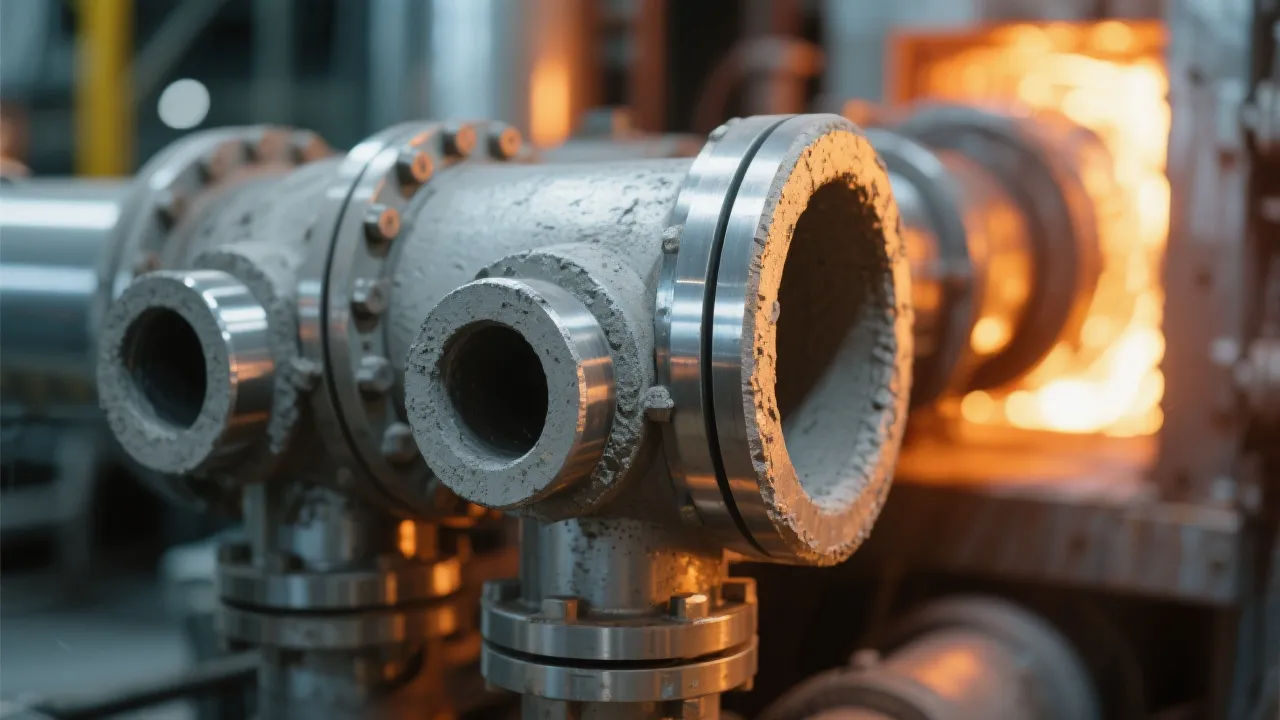
High-temperature kilns and furnaces in steel plants operate under severe thermal and mechanical stresses. Refractory linings protect the furnace’s structural integrity by enduring temperature fluctuations often exceeding 1700°C, mechanical loads, and corrosive atmospheres. Choosing the appropriate refractory material directly affects furnace longevity, operational efficiency, and safety.
Direct bonded mag-chrome bricks have become indispensable in modern steel production because they effectively address the common challenges faced by refractory linings, including thermal shock damage, deformation, and erosion.
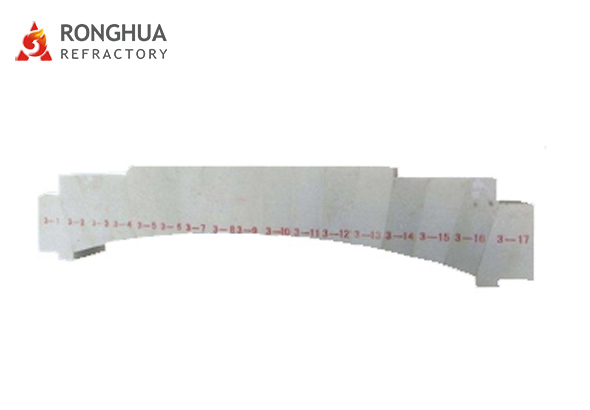
A leading steel manufacturer upgraded its kiln lining to direct bonded mag-chrome bricks and observed a 35% reduction in shutdown frequency over two years. This dramatically improved operational uptime and cut maintenance costs by an estimated 20%. Similarly, a renowned cement factory reported a 25% increase in furnace lining life, directly attributed to the bricks’ resilience against high-temperature corrosion.
These figures highlight how the investment in high-quality mag-chrome bricks translates to tangible gains in production efficiency and cost savings.
| Performance Metric | Direct Bonded Mag-Chrome Brick | High Alumina Brick | Corundum Brick |
|---|---|---|---|
| Thermal Shock Resistance | Excellent (≥ 15 cycles) | Moderate (8-10 cycles) | Low (≤ 6 cycles) |
| High Temp Stability (1700°C+) | Outstanding | Good | Fair |
| Compressive Strength (MPa) | ≥ 120 | 80-100 | 60-80 |
| Resistance to Chemical Corrosion | High | Moderate | Low |
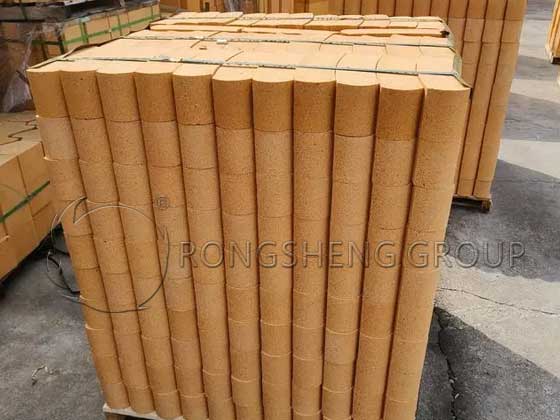
Procurement managers and process engineers prioritize materials that reduce operational interruptions and total cost of ownership. Although direct bonded mag-chrome bricks may carry a higher upfront cost compared to alternatives, their prolonged service life and reduced maintenance overhead deliver superior return on investment.
Making informed choices guided by comprehensive performance data, site-specific furnace operating conditions, and historical case outcomes helps enterprises optimize their refractory material strategy—protecting production continuity and boosting profitability.

Global trust from over 2000 customers worldwide underscores the reliability of direct bonded mag-chrome bricks in demanding steel industry environments. Manufactured with precision and backed by rigorous testing, these bricks from Zhengzhou Rongsheng guarantee the quality and consistency essential for your operational success.
What has been your experience with refractory materials in high-temperature kiln operations? Have direct bonded mag-chrome bricks impacted your furnace's performance or maintenance cycles? Share your insights or questions below—let's foster an industry dialogue that drives innovation and operational excellence.
 144
|
144
|
 Refractory ramming mass
High-performance refractory materials
Industrial furnace linings
Power plant boiler refractory materials
International certification for refractory materials
138
|
117
|
customized silica bricks
refractory materials manufacturer
hot blast furnace refractory bricks
industrial high-temperature materials
Rongsheng Kiln
436
|
refractory cement selection
high temperature furnace refractory materials
customized refractory cement
thermal shock resistant cement
industrial furnace lining solutions
414
|
high-temperature ceramic fiber blanket
industrial kiln insulation
thermal insulation materials
high-temperature insulation performance
overseas industrial applications
Refractory ramming mass
High-performance refractory materials
Industrial furnace linings
Power plant boiler refractory materials
International certification for refractory materials
138
|
117
|
customized silica bricks
refractory materials manufacturer
hot blast furnace refractory bricks
industrial high-temperature materials
Rongsheng Kiln
436
|
refractory cement selection
high temperature furnace refractory materials
customized refractory cement
thermal shock resistant cement
industrial furnace lining solutions
414
|
high-temperature ceramic fiber blanket
industrial kiln insulation
thermal insulation materials
high-temperature insulation performance
overseas industrial applications