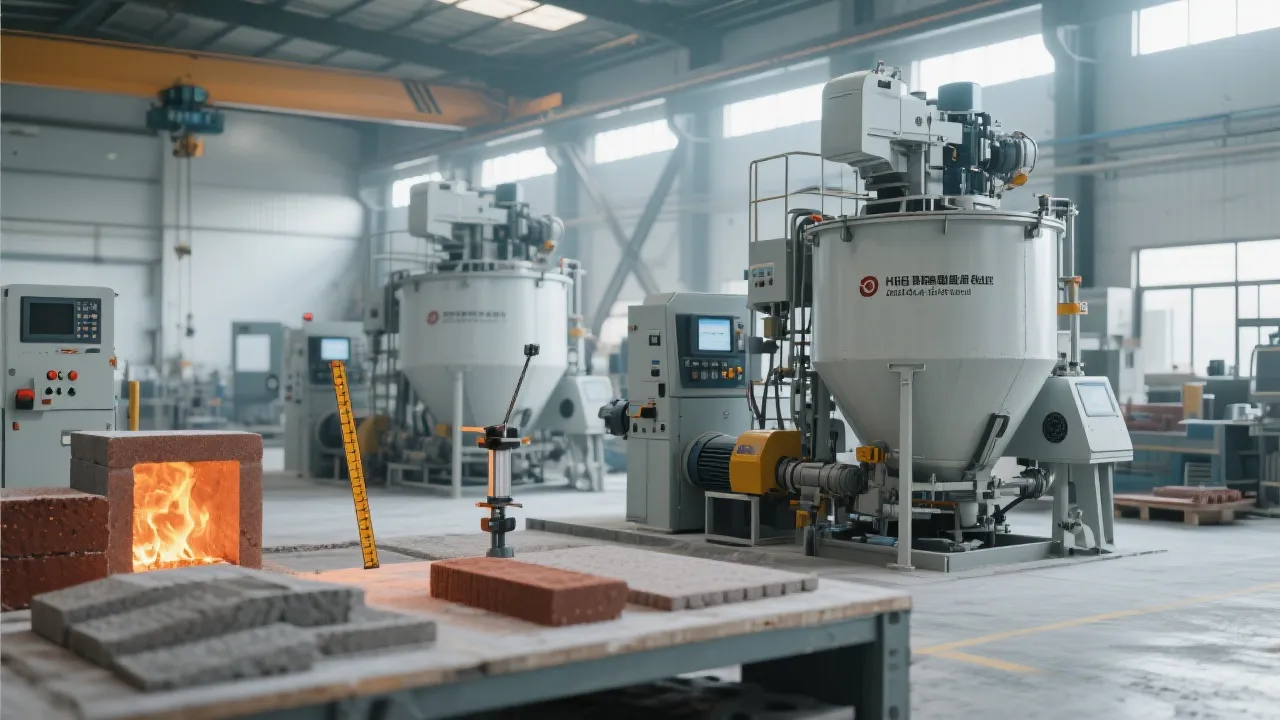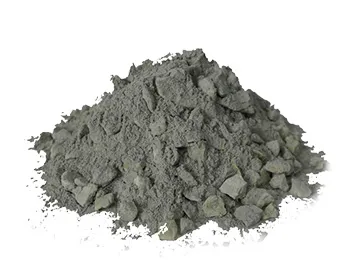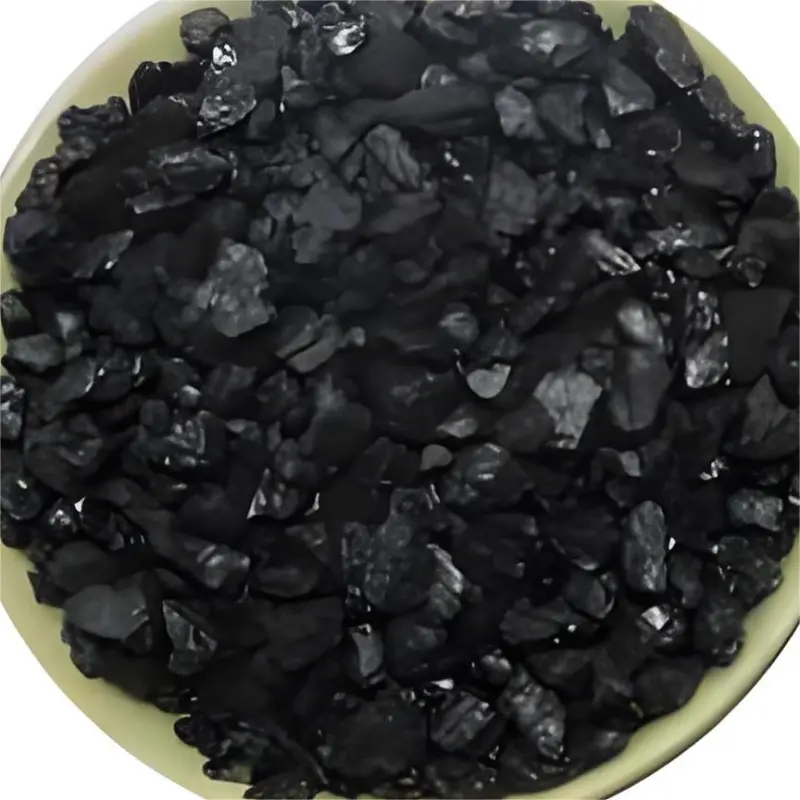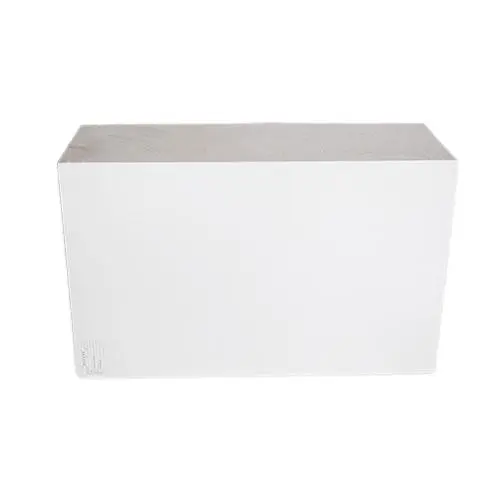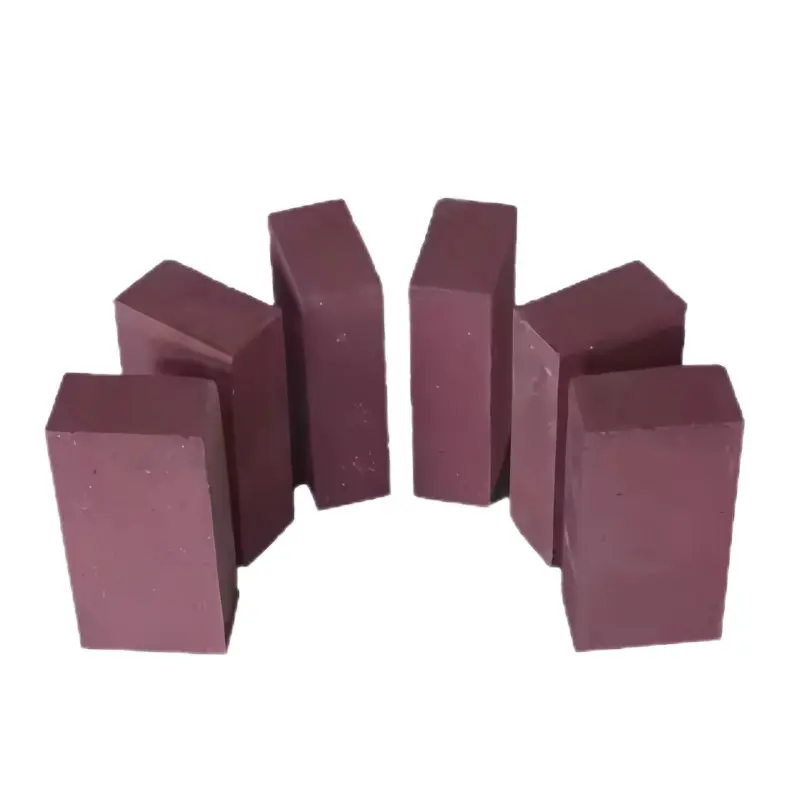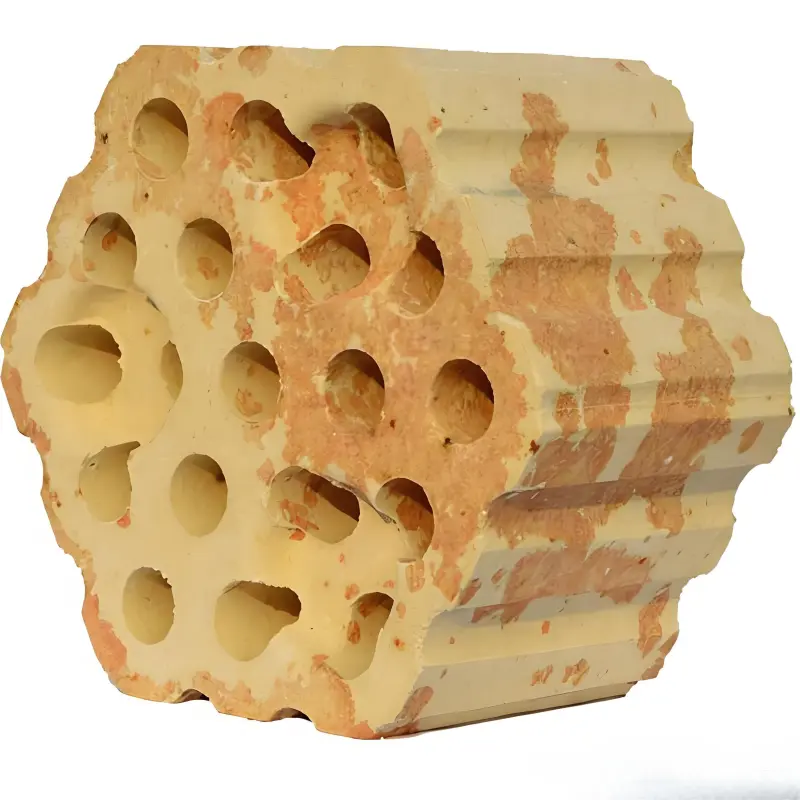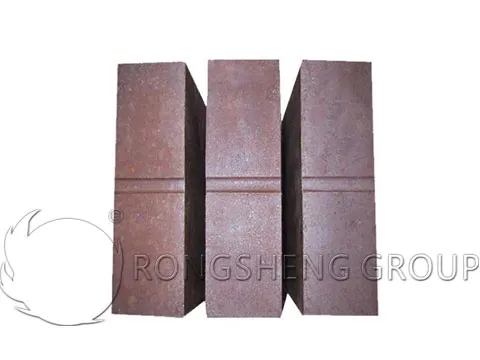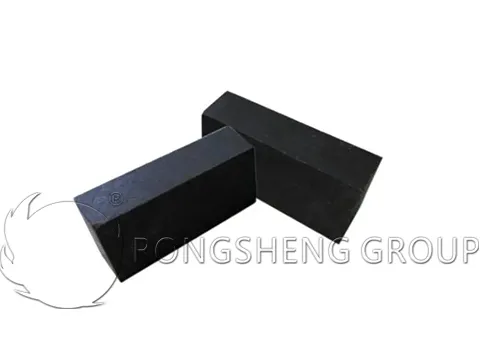
Industrial furnaces face constant thermal cycling—sudden heating and cooling—that can cause severe damage to refractory linings. In steelmaking, glass melting, and cement production, this leads to unplanned downtime, increased maintenance costs, and reduced furnace life. That’s where direct-bonded magnesia-chrome brick comes in—not just as a material, but as a performance upgrade.
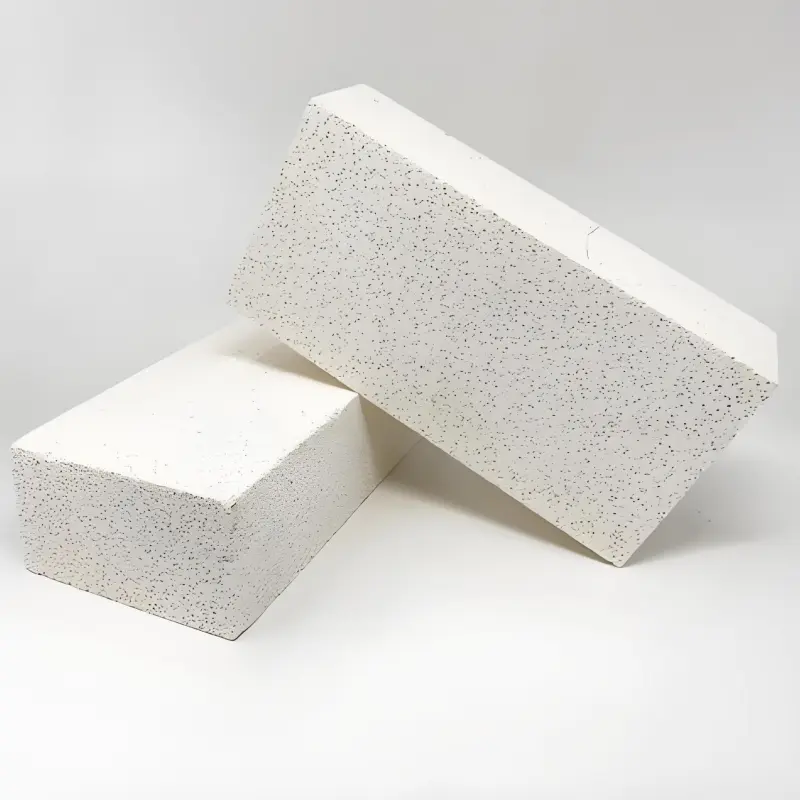
Unlike conventional bricks with weak grain boundaries, direct-bonded magnesia-chrome brick uses advanced sintering techniques to create strong, continuous crystal networks—especially magnesium chromite (MgCr₂O₄) spinel phases. These microstructures act like a shield against thermal stress, distributing heat evenly and preventing crack propagation.
Think of it this way: traditional bricks are like thin glass plates exposed to sudden temperature shifts—they shatter easily. Direct-bonded bricks? They’re more like reinforced armor. This structural advantage has been validated by over 2,000 global clients across heavy industries.
Case Study: A major steel plant in India replaced standard chrome-magnesia bricks with direct-bonded ones in their BOF (Basic Oxygen Furnace). After one year, they reported a 32% increase in lining lifespan and a 24% drop in repair labor costs—without changing operating conditions.
In the glass industry, where kiln temperatures swing from 1,200°C to 1,500°C within minutes, users report fewer cold cracks and smoother production cycles. Cement rotary kilns benefit from improved resistance to alkali attack and mechanical wear—extending service intervals by up to 40% compared to older formulations.
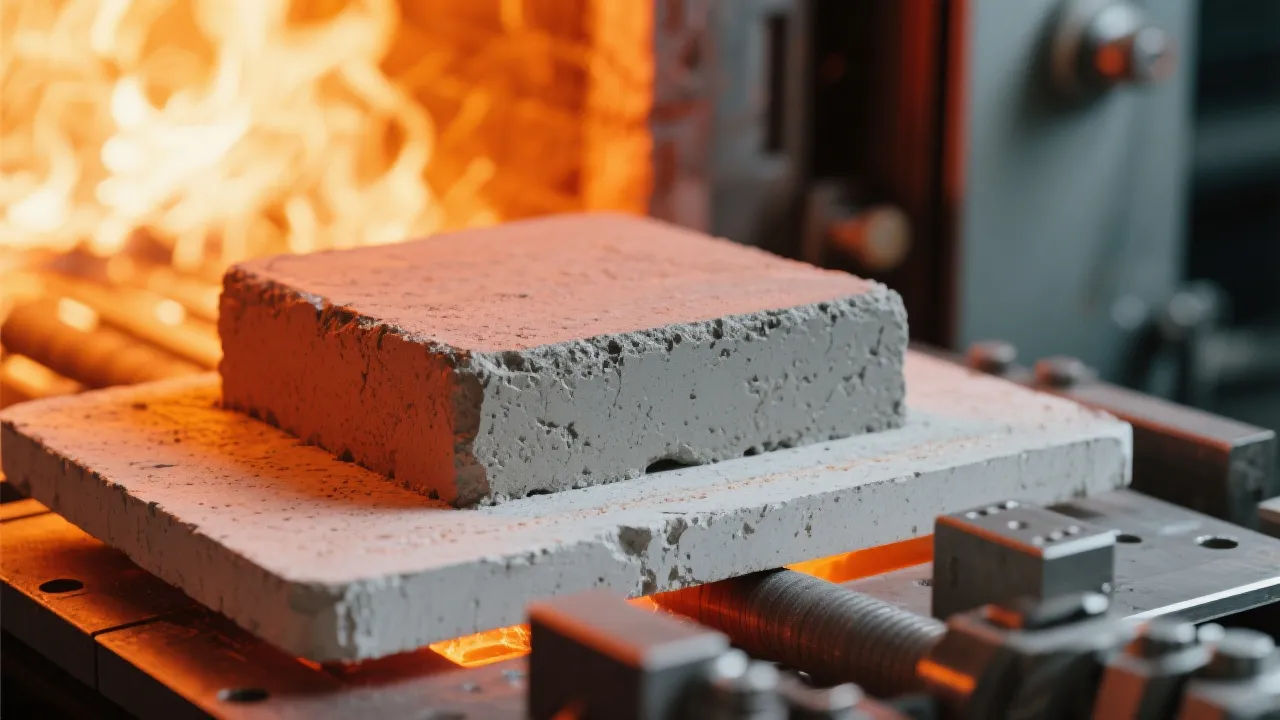
These aren’t isolated cases. Independent lab tests show that direct-bonded bricks maintain >95% of their original strength after 50 thermal shock cycles (from room temp to 1,400°C), while standard bricks often fail at 20–30 cycles.
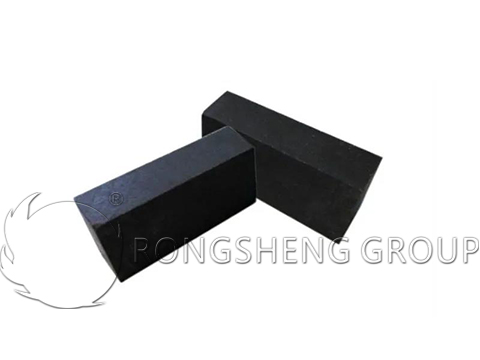
What makes these results possible? It’s not just chemistry—it’s engineering precision. Our manufacturing process ensures consistent grain size, minimal porosity, and optimal phase distribution. This consistency translates into predictable performance, which is critical for industrial planning.
Choosing the right refractory isn't just about buying a brick—it's about securing long-term operational efficiency. With our direct-bonded solution, you're not only reducing failure rates—you're building a foundation for smarter maintenance scheduling, lower carbon emissions, and better ROI.
Let your industrial furnace run longer, perform better, and cost less to maintain. Whether you’re upgrading an existing system or designing a new one, we’re here to help you make the smartest choice—for now, and for years ahead.
Get a free technical consultation + sample evaluation for your specific application.
Download Technical Brochure & Request Samples 471
|
471
|
 Ceramic fiber cotton High - temperature insulation materials Energy saving in the steel industry Insulation of metallurgical furnaces Refractory materials manufacturers
32
|
wear-resistant castable refractory high-temperature refractory materials furnace lining maintenance cost non-ferrous metallurgy solutions refractory material optimization
180
|
refractory mortar for thermal shock high performance refractory materials thermal shock resistant refractory solutions custom refractory material solutions international certified refractory products
277
|
lightweight high-alumina insulating brick high-temperature insulation material alumina refractory brick thermal insulation performance industrial furnace lining
340
|
["high-temperature ceramic fiber insulation blanket" "low thermal conductivity insulation material" "industrial kiln energy saving" "thermal insulation solution for high temperature" "ceramic fiber insulation for manufacturing"]
Ceramic fiber cotton High - temperature insulation materials Energy saving in the steel industry Insulation of metallurgical furnaces Refractory materials manufacturers
32
|
wear-resistant castable refractory high-temperature refractory materials furnace lining maintenance cost non-ferrous metallurgy solutions refractory material optimization
180
|
refractory mortar for thermal shock high performance refractory materials thermal shock resistant refractory solutions custom refractory material solutions international certified refractory products
277
|
lightweight high-alumina insulating brick high-temperature insulation material alumina refractory brick thermal insulation performance industrial furnace lining
340
|
["high-temperature ceramic fiber insulation blanket" "low thermal conductivity insulation material" "industrial kiln energy saving" "thermal insulation solution for high temperature" "ceramic fiber insulation for manufacturing"]