In the demanding environment of cement kilns, where temperatures exceed 1500°C and thermal cycling is relentless, traditional refractory materials often fall short—leading to frequent maintenance, rising energy costs, and shortened equipment life. But what if your kiln could run longer, consume less fuel, and reduce downtime without compromising performance?
Take the case of a major cement producer in Southeast Asia that switched to direct-bonded magnesia-chrome brick (specifically from Zhengzhou Rongsheng Refractories). After just six months of operation:
“We were skeptical until we saw the data. Now it’s standard practice across our five kilns.”
— Operations Manager, Vietnam Cement Plant
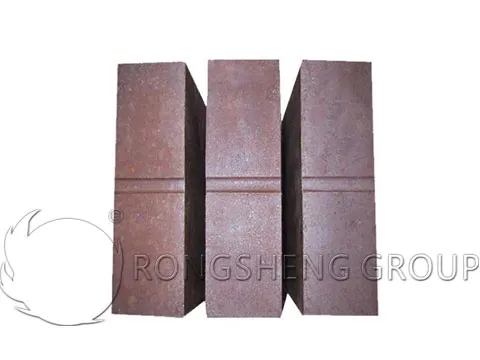
The secret lies in its microstructure: high-density sintering at 1550–1600°C creates strong inter-granular bonding, minimizing cracks during thermal shock. Unlike conventional bricks, this design reduces heat transfer through the kiln shell—lowering surface temperatures by up to 70°C under continuous operation.
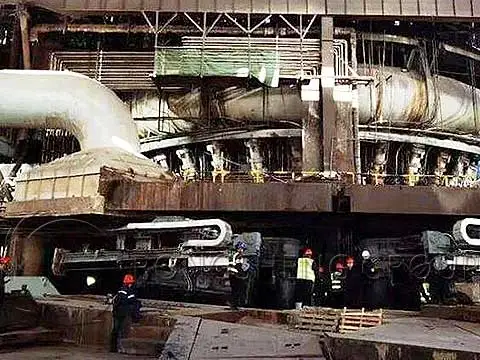
While cement kilns are the primary application, these bricks also excel in steelmaking furnaces, glass melting tanks, and petrochemical reactors. Why? Because they’re engineered for stability—not just at peak temps but across varying load profiles.
Global customers—from Europe to the Middle East—have validated their performance over 2,000+ installations. All products carry international certifications (ISO 9001, CE, and ASTM C115) ensuring consistent quality, even in extreme conditions.
Whether you're facing chronic refractory failure or simply optimizing your furnace efficiency, direct-bonded magnesium chrome brick offers a measurable ROI—not just in longevity, but in operational cost reduction.
Get a free technical consultation tailored to your kiln profile and see how much you can save.
Download Our Free Refractory Optimization GuideAsk yourself: Are you still relying on outdated refractory solutions—or are you building a smarter, more efficient future?
 75
|
75
|
 high temperature cement
refractory material innovation
thermal shock resistance
mechanical strength in refractories
custom refractory solutions
407
|
ceramic fiber board
high-temperature insulation materials
refractory materials
thermal insulation solutions
customized energy-saving solutions
120
|
industrial kiln ceramic slurry
customizable refractory materials
high-temperature process optimization
magnesia ceramic slurry
alkali-resistant high-temperature materials
125
|
High-purity zirconium powder
Refractory materials
Special materials for ceramic industry
Zirconium powder for high-temperature kilns
Customizable particle size of zirconium powder
176
|
Refractory brick selection guide
High - temperature performance of silica bricks
Refractory materials with international certifications
Refractory bricks for hot blast stoves
Customized refractory brick solutions
high temperature cement
refractory material innovation
thermal shock resistance
mechanical strength in refractories
custom refractory solutions
407
|
ceramic fiber board
high-temperature insulation materials
refractory materials
thermal insulation solutions
customized energy-saving solutions
120
|
industrial kiln ceramic slurry
customizable refractory materials
high-temperature process optimization
magnesia ceramic slurry
alkali-resistant high-temperature materials
125
|
High-purity zirconium powder
Refractory materials
Special materials for ceramic industry
Zirconium powder for high-temperature kilns
Customizable particle size of zirconium powder
176
|
Refractory brick selection guide
High - temperature performance of silica bricks
Refractory materials with international certifications
Refractory bricks for hot blast stoves
Customized refractory brick solutions