If you're responsible for maintaining industrial kilns or furnaces in steelmaking, cement production, or non-ferrous metallurgy, understanding how to properly install and maintain refractory materials isn't just best practice—it's essential for operational safety, energy efficiency, and long-term cost control.
| Property | Direct-Bonded MgCr Brick | Traditional Magnesite Brick | Alumina Brick |
|---|---|---|---|
| Thermal Shock Resistance (cycles @ 1000°C) | ≥ 30 cycles | ≤ 15 cycles | ≤ 10 cycles |
| Hot Load Softening Point | ≥ 1750°C | ~1650°C | ~1550°C |
| Compressive Strength (MPa) | ≥ 70 MPa | ~45 MPa | ~55 MPa |
| Porosity (%) | ≤ 18% | ~25% | ~22% |
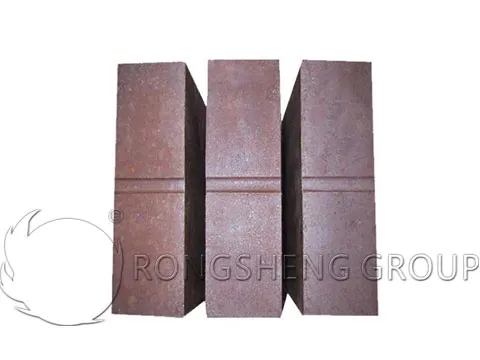
As shown above, direct-bonded magnesia-chrome bricks outperform traditional alternatives in thermal shock resistance, structural integrity under load, and durability at extreme temperatures—especially critical in continuous operation environments like blast furnaces or rotary kilns.
In one case study, a steel plant in India reduced unplanned downtime by 42% after switching to direct-bonded MgCr bricks and implementing these steps. Their furnace life increased from 12 months to 18 months—an improvement that translated into over $80,000 in annual savings.

Even the best installation will fail without consistent monitoring. Implement a monthly inspection routine including:
These small actions prevent major failures—like sudden wall collapse—which often occur when operators ignore early warning signs.
Have you experienced refractory brick failure in your facility? What was the root cause—poor installation, incorrect material selection, or lack of maintenance?
We’ve helped over 2,000 global clients—from Europe to Southeast Asia—optimize their refractory systems through precise guidance and reliable materials. Let’s talk about what works for YOUR operation.
Download Our Free Refractory Installation Checklist (PDF) 126
|
126
|
 HTAC technology
kiln efficiency improvement
honeycomb ceramic regenerator
industrial furnace optimization
energy-saving combustion solutions
147
|
carbon refractory brick
acid-resistant refractory
high temperature refractory material
CE certified refractory
custom refractory brick
140
|
Zhengzhou Rongsheng High-Alumina Bricks
Multi-Industry Applicable High-Alumina Bricks
High-Alumina Brick Technical Highlights
468
|
customizable high-temperature resistant bricks
high-temperature wear-resistant bricks
cement kiln bricks
113
|
high-alumina anchor refractory bricks
industrial furnace refractory materials
refractory brick customization services
HTAC technology
kiln efficiency improvement
honeycomb ceramic regenerator
industrial furnace optimization
energy-saving combustion solutions
147
|
carbon refractory brick
acid-resistant refractory
high temperature refractory material
CE certified refractory
custom refractory brick
140
|
Zhengzhou Rongsheng High-Alumina Bricks
Multi-Industry Applicable High-Alumina Bricks
High-Alumina Brick Technical Highlights
468
|
customizable high-temperature resistant bricks
high-temperature wear-resistant bricks
cement kiln bricks
113
|
high-alumina anchor refractory bricks
industrial furnace refractory materials
refractory brick customization services