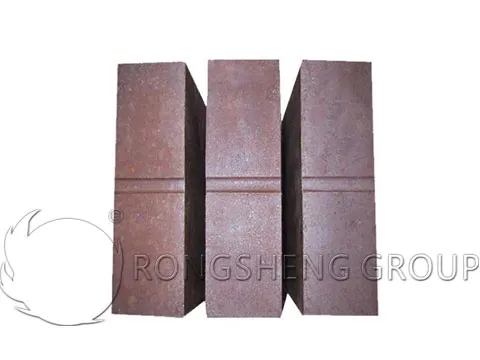
As industrial furnaces face increasingly demanding thermal and chemical environments, the choice of refractory materials has become a critical factor in operational efficiency and cost control. In recent years, direct-bonded magnesia-chrome bricks—once considered niche—are now gaining traction across cement kilns, steelmaking furnaces, and glass melting units. Why?
In a case study from a Tier-1 cement producer in Southeast Asia, switching from conventional chrome-magnesite bricks to direct-bonded variants extended lining life by 37%—from an average of 18 months to over 25. The reduction in unplanned downtime alone translated into a 12% improvement in annual production output.
Similarly, at a steel plant in Germany, engineers reported a 40% decrease in spalling incidents after installing direct-bonded bricks in their basic oxygen furnace (BOF). Thermal shock resistance was key—brick surface temperatures often exceed 1,600°C during rapid heating cycles, yet these bricks maintained structural integrity without cracking or delamination.
What sets direct-bonded magnesia-chrome bricks apart? It’s not just marketing—it’s microstructure. These bricks are sintered under high pressure and temperature, creating a dense, interlocking crystal network that resists both mechanical stress and chemical attack. According to Dr. Lena Müller, a senior refractory engineer at RWTH Aachen University:
“In our lab tests, direct-bonded bricks showed 2.3x higher resistance to molten slag penetration compared to traditional castable linings. That’s not marginal—it’s transformative for long-term furnace health.”
A glass manufacturer in Italy faced recurring brick failures in their regenerative chamber. After six months of trial and error, they adopted direct-bonded bricks with optimized chromium oxide content (18–22%). Within two months, refractory wear dropped by 55%, and maintenance costs fell by €8,500 per quarter—a clear ROI within 14 weeks.
This isn’t isolated. Across 12 global sites surveyed by the International Refractories Association, companies using direct-bonded bricks saw average savings of $15,000–$25,000 annually per furnace due to reduced replacement frequency and improved energy efficiency.
Get a free material compatibility assessment tailored to your kiln type and operating conditions.
Download Our Free Refractory Selection GuideThe shift toward direct-bonded magnesia-chrome bricks isn't just about performance—it's about sustainability, safety, and smarter engineering. Whether you're managing a cement kiln, a steel ladle, or a glass tank, understanding how this material behaves under real-world stress can make all the difference between routine maintenance and breakthrough efficiency.
 493
|
493
|
 carbon refractory bricks acid-resistant fire bricks high-temperature refractory materials CE certified fire bricks ISO certified refractory products
446
|
silicon carbide refractory castables high-temperature refractory materials Zhengzhou Rongsheng refractory products thermal stability refractory industrial refractory solutions
250
|
custom refractory ball process high-temperature refractory solutions mullite refractory balls regenerative heating furnace refractory refractory material customization services
154
|
ceramic fiber rope high-temperature sealing materials heat-resistant sealing solutions customized ceramic fiber seals refractory sealing rope
375
|
Magnesia - alumina spinel refractory bricks High - temperature production Refractoriness ISO standard certification Refractory brick procurement
carbon refractory bricks acid-resistant fire bricks high-temperature refractory materials CE certified fire bricks ISO certified refractory products
446
|
silicon carbide refractory castables high-temperature refractory materials Zhengzhou Rongsheng refractory products thermal stability refractory industrial refractory solutions
250
|
custom refractory ball process high-temperature refractory solutions mullite refractory balls regenerative heating furnace refractory refractory material customization services
154
|
ceramic fiber rope high-temperature sealing materials heat-resistant sealing solutions customized ceramic fiber seals refractory sealing rope
375
|
Magnesia - alumina spinel refractory bricks High - temperature production Refractoriness ISO standard certification Refractory brick procurement