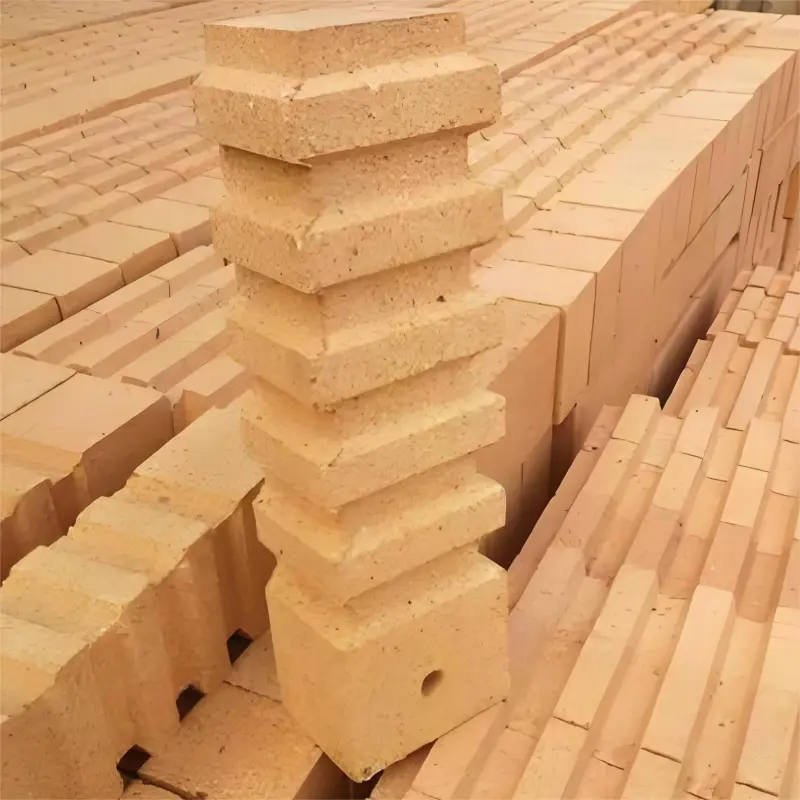
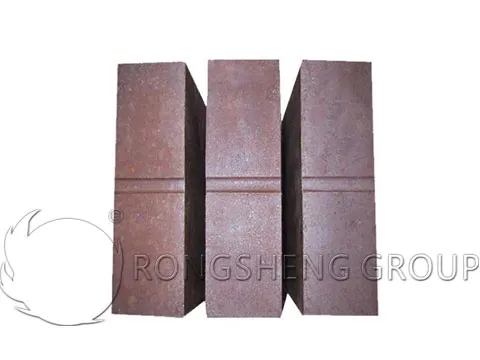
In high-temperature industrial furnaces—especially in steelmaking, glass melting, and cement production—thermal shock is one of the most destructive forces. Sudden temperature fluctuations can cause cracks, spalling, and premature failure in refractory materials. That’s why more and more overseas clients are turning to direct-bonded magnesia-chrome brick, a material engineered for extreme conditions.
Unlike traditional bricks that rely on binders or additives, direct-bonded magnesia-chrome brick uses sintering at ultra-high temperatures (over 1600°C) to create strong, interlocking crystal structures. This results in superior thermal shock resistance—up to 3x better than conventional chrome-magnesite bricks—and exceptional stability under continuous heat exposure.
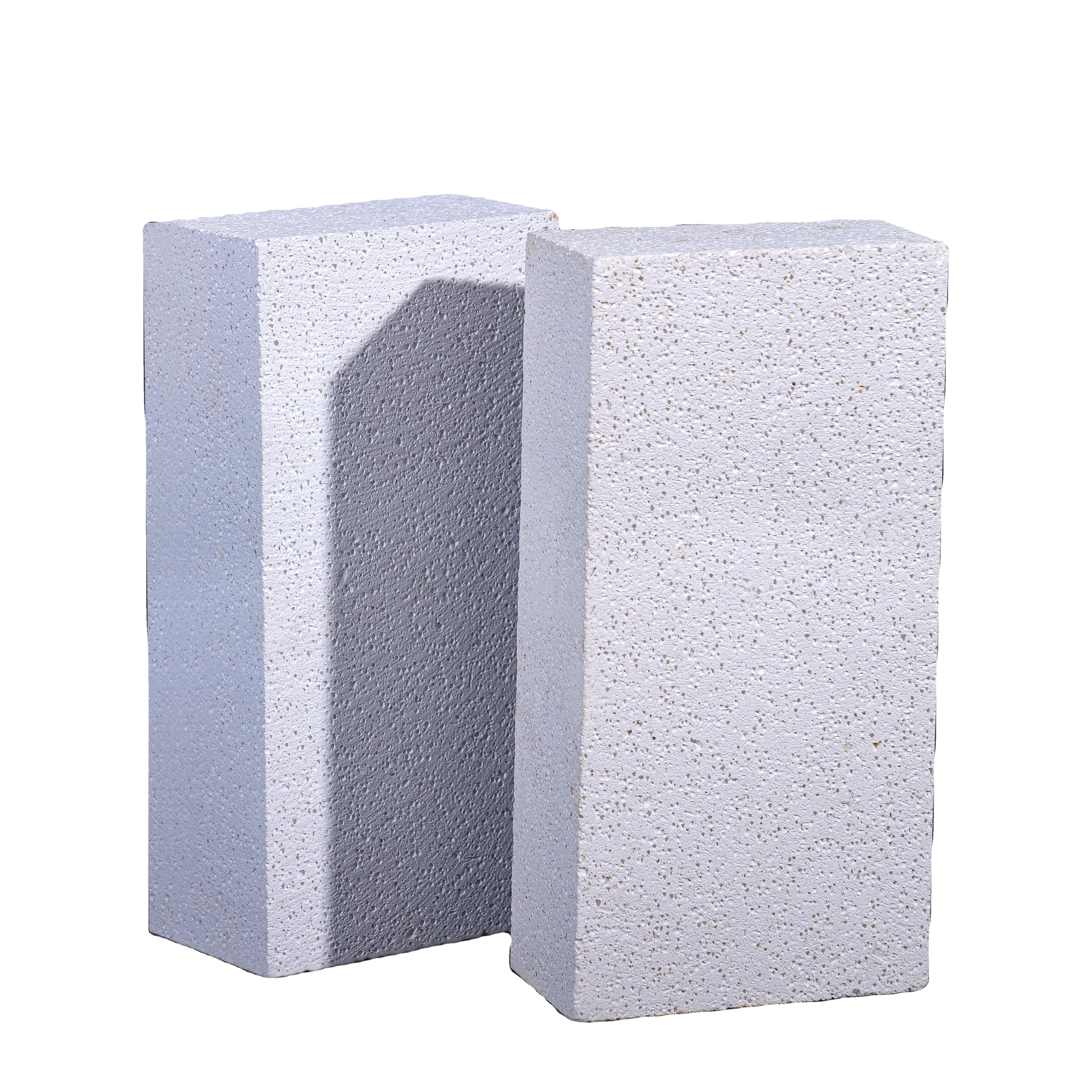
A leading European glass manufacturer reported a 40% reduction in refractory replacement frequency after switching to direct-bonded magnesia-chrome brick in their regenerative burners. Their furnace downtime dropped from 7 days per quarter to just 2 days—a gain of over 200 hours annually.
Similarly, a Middle Eastern cement producer saw a 15% increase in kiln efficiency within six months. The improved thermal conductivity and reduced heat loss translated directly into lower fuel consumption and higher throughput.
Case Study Snapshot: A U.S.-based steel mill replaced 80% of its basic oxygen furnace lining with direct-bonded magnesia-chrome brick. After 18 months, they recorded an average lifespan increase of 4.5 months per campaign—equivalent to saving $120K per year in labor, materials, and lost production time.
What makes this material so reliable? It's not just chemistry—it’s design. With a Cr₂O₃ content between 25–35%, and carefully controlled grain size distribution, it resists both oxidation and mechanical stress even at 1700°C+. And because it doesn’t degrade quickly under cyclic heating, it reduces maintenance costs by up to 25% over a five-year period.
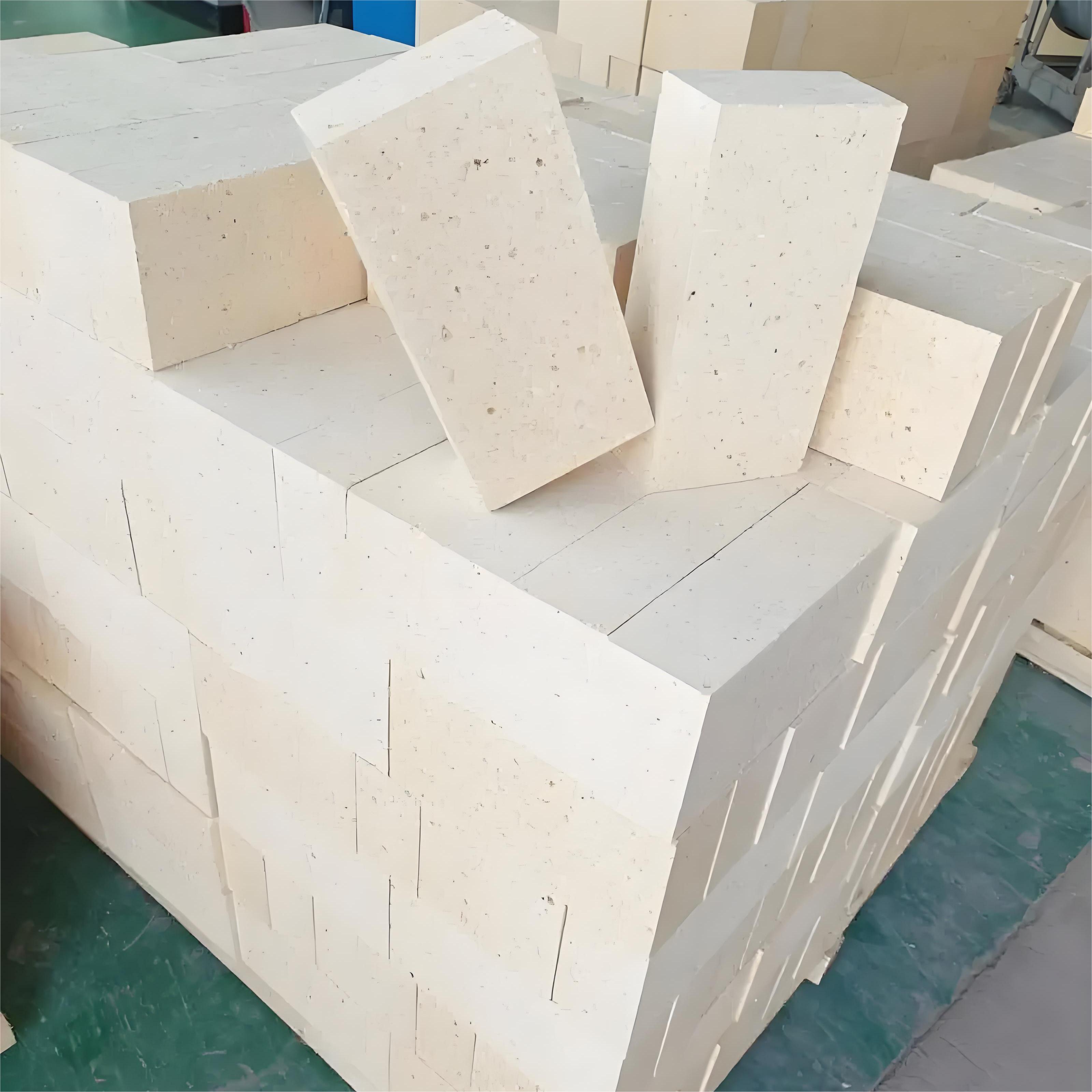
These aren't just lab numbers—they’re real-world outcomes shared by customers in Germany, India, Brazil, and the UAE. They chose this brick not just for performance, but for peace of mind. When your furnace runs longer without failure, you don’t just save money—you build trust with your own team, your suppliers, and your clients.
If you're managing a high-temperature process where consistency matters—whether it’s molten metal, raw material calcination, or glass melting—you owe it to yourself to explore what direct-bonded magnesia-chrome brick can do for your operations.
Have questions about how this brick performs in your specific setup? Leave a comment below—we respond personally to every inquiry.
 435
|
435
|
 silicon carbide refractory burner bricks Zhengzhou Rongsheng Refractory Materials industrial furnace high-temperature applications customized service product quality improvement case
213
|
Customized refractory panels Industrial furnace high - temperature solutions Sintered silicon carbide panels Metallurgical furnace refractory transformation High - temperature kiln optimization
471
|
Ceramic fiber cotton High - temperature insulation materials Energy saving in the steel industry Insulation of metallurgical furnaces Refractory materials manufacturers
176
|
Refractory brick selection guide High - temperature performance of silica bricks Refractory materials with international certifications Refractory bricks for hot blast stoves Customized refractory brick solutions
289
|
customizable silicon bricks high-temperature refractory materials hot air furnace silicon bricks industrial silicon brick performance Rongsheng refractory materials
silicon carbide refractory burner bricks Zhengzhou Rongsheng Refractory Materials industrial furnace high-temperature applications customized service product quality improvement case
213
|
Customized refractory panels Industrial furnace high - temperature solutions Sintered silicon carbide panels Metallurgical furnace refractory transformation High - temperature kiln optimization
471
|
Ceramic fiber cotton High - temperature insulation materials Energy saving in the steel industry Insulation of metallurgical furnaces Refractory materials manufacturers
176
|
Refractory brick selection guide High - temperature performance of silica bricks Refractory materials with international certifications Refractory bricks for hot blast stoves Customized refractory brick solutions
289
|
customizable silicon bricks high-temperature refractory materials hot air furnace silicon bricks industrial silicon brick performance Rongsheng refractory materials