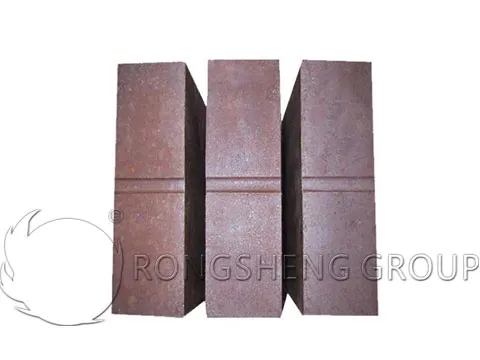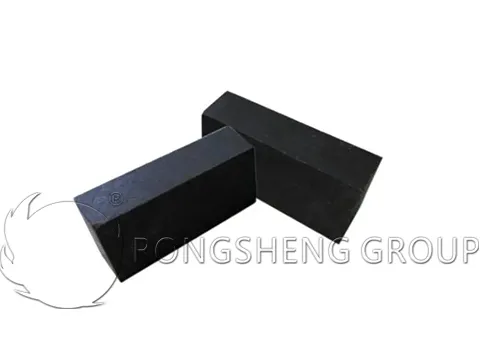
In high-temperature industrial processes like glass manufacturing, thermal cycling is inevitable. But what many operators don’t realize is that each temperature shift—especially rapid heating or cooling—can cause micro-cracks in traditional refractory bricks. Over time, these tiny fractures grow into major structural failures, leading to unexpected downtime and costly repairs.
According to industry data from the International Refractories Association, up to 40% of furnace lining damage in glass kilns stems from poor thermal shock resistance—not just chemical erosion or mechanical wear. That’s where direct-bonded magnesia-chrome brick (DB-MC) steps in as a game-changer.
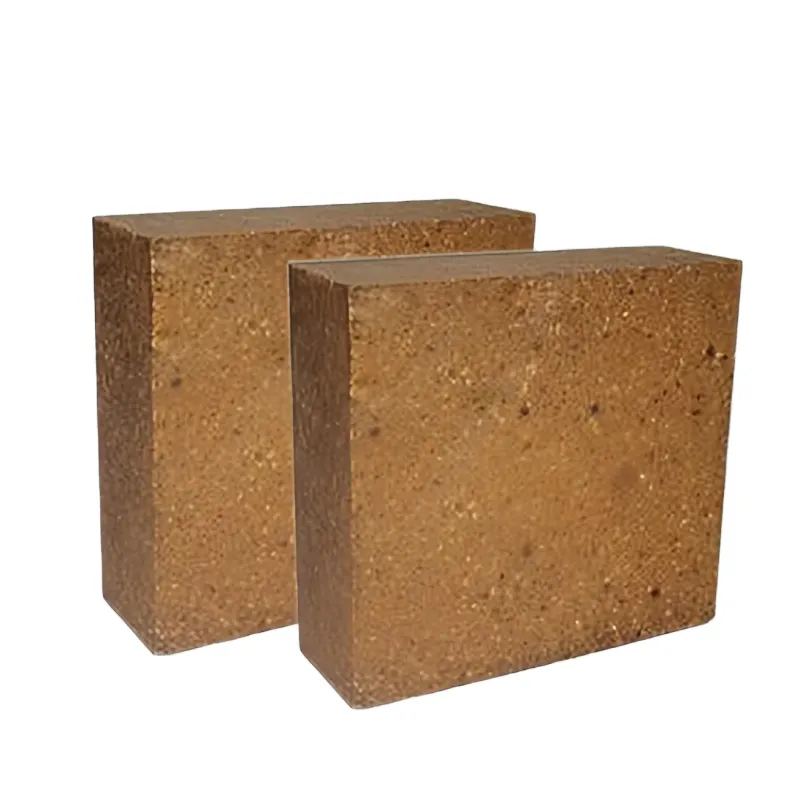
Unlike conventional bricks with porous structures, DB-MC features a dense, interlocking grain structure formed under high-pressure sintering. This allows it to absorb and redistribute heat stress more evenly across its matrix. In lab tests conducted by our R&D team, DB-MC showed a 70% higher survival rate after 50 cycles between 1000°C and 1500°C compared to standard magnesia-carbon bricks.
Real-world impact: A glass plant in Egypt reported a 60% reduction in unplanned shutdowns after switching to DB-MC for their melting zone. Their average furnace life increased from 18 months to over 28 months—a gain of nearly 56%, directly improving OEE (Overall Equipment Effectiveness).
“We used to replace the entire hearth every year. Now, with direct-bonded bricks, we’re running 10 months longer per cycle—and saving over $120k annually in maintenance costs.” — Ahmed Hassan, Plant Manager at Nile Glass Co.
The benefits aren't limited to glass production. In steelmaking, DB-MC has been proven to reduce slag penetration by 30%, extending ladle lining life. Cement kilns benefit from its ability to maintain structural integrity during daily start-stop cycles—reducing refractory replacement frequency by up to 45%.
These results make DB-MC not just a material upgrade—it’s a strategic investment in operational resilience.
Ready to optimize your furnace performance?
Get Your Free Technical Brochure on DB-MC PerformanceIf you're still experiencing frequent furnace failures due to thermal stress, ask yourself: Are you using the right refractory for today’s demanding conditions? We’d love to hear about your challenges—drop us a note below or reach out directly.
 108
|
108
|
 Magnesia-Alumina Spinel Refractory Bricks High-Temperature Industrial Efficiency ISO Certified Refractory Materials Refractoriness 1770-2000°C Industrial Kiln Energy Saving
140
|
Zhengzhou Rongsheng High-Alumina Bricks Multi-Industry Applicable High-Alumina Bricks High-Alumina Brick Technical Highlights
396
|
ceramic fiber paper high-temperature insulation materials corrosion-resistant ceramic fiber chemical industry refractory materials asbestos-free insulation paper
409
|
high porosity clay insulating bricks glass furnace refractory materials lightweight insulating bricks high temperature thermal insulation solutions customized refractory bricks
219
|
Ceramic Fiber Chopped Cotton High-temperature Refractory Materials Energy-saving Kiln Materials ISO 9001 Certified Refractory Materials Export Refractory Materials
Magnesia-Alumina Spinel Refractory Bricks High-Temperature Industrial Efficiency ISO Certified Refractory Materials Refractoriness 1770-2000°C Industrial Kiln Energy Saving
140
|
Zhengzhou Rongsheng High-Alumina Bricks Multi-Industry Applicable High-Alumina Bricks High-Alumina Brick Technical Highlights
396
|
ceramic fiber paper high-temperature insulation materials corrosion-resistant ceramic fiber chemical industry refractory materials asbestos-free insulation paper
409
|
high porosity clay insulating bricks glass furnace refractory materials lightweight insulating bricks high temperature thermal insulation solutions customized refractory bricks
219
|
Ceramic Fiber Chopped Cotton High-temperature Refractory Materials Energy-saving Kiln Materials ISO 9001 Certified Refractory Materials Export Refractory Materials