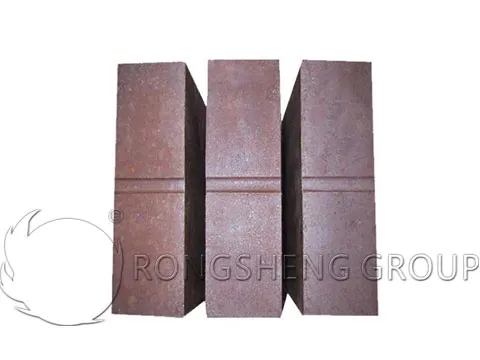
High-temperature furnaces in cement production face relentless operational challenges, where the choice of refractory materials can make or break efficiency and longevity. Recently, a comparative study between direct bonded magnesia-chrome bricks and ordinary magnesia bricks reveals a pronounced 30% increase in service life when employing the former. This leap is attributable to the unique spinel structure of magnesia-chrome, combined with an advanced sintering process that optimizes thermal shock resistance and high-temperature stability. But what exactly places direct bonded magnesia-chrome bricks ahead in industrial applications, and why are global leaders increasingly adopting this solution?
Cement kilns operate continuously at temperatures often exceeding 1,400°C, where refractory bricks must withstand extreme thermal stress, mechanical loads, and chemical attack. Any material failure leads to costly downtime and maintenance. While ordinary magnesia bricks provide baseline performance, they often succumb to early degradation due to weaker resistance to thermal shock and slag corrosion.
The core of direct bonded magnesia-chrome bricks’ superiority lies in their microstructure. Magnesium oxide combined with chromium oxide forms a robust magnesia-chrome spinel phase. This spinel phase enhances:
Additionally, the optimized sintering process during manufacturing results in a denser, less porous product, further extending the refractory’s operational lifespan.
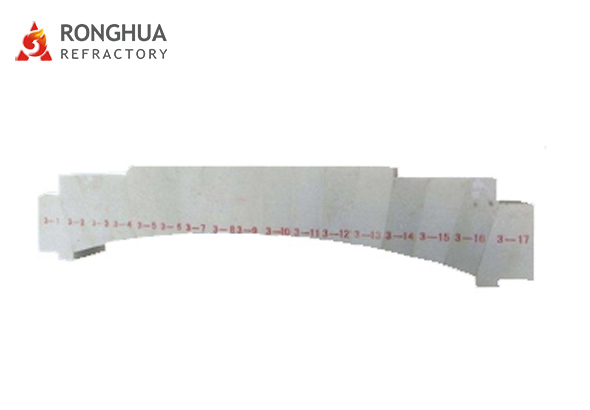
In controlled industrial trials conducted in multiple cement plants, refractory engineers replaced ordinary magnesia bricks with direct bonded magnesia-chrome bricks under identical kiln conditions. The results demonstrated:
These metrics manifest a tangible 30% lifespan improvement, backed by continuous monitoring technologies such as infrared thermography and acoustic emission sensors.
A major cement manufacturer in China, after switching to direct bonded magnesia-chrome bricks supplied by Zhengzhou Rongsheng Refractory Co., Ltd., reported:
Plant managers confirmed the reliability of Rongsheng’s bricks as "a game changer for prolonged high-temperature furnace performance," highlighting the company's extensive technical support and global trust spanning over 2,000 industrial customers.
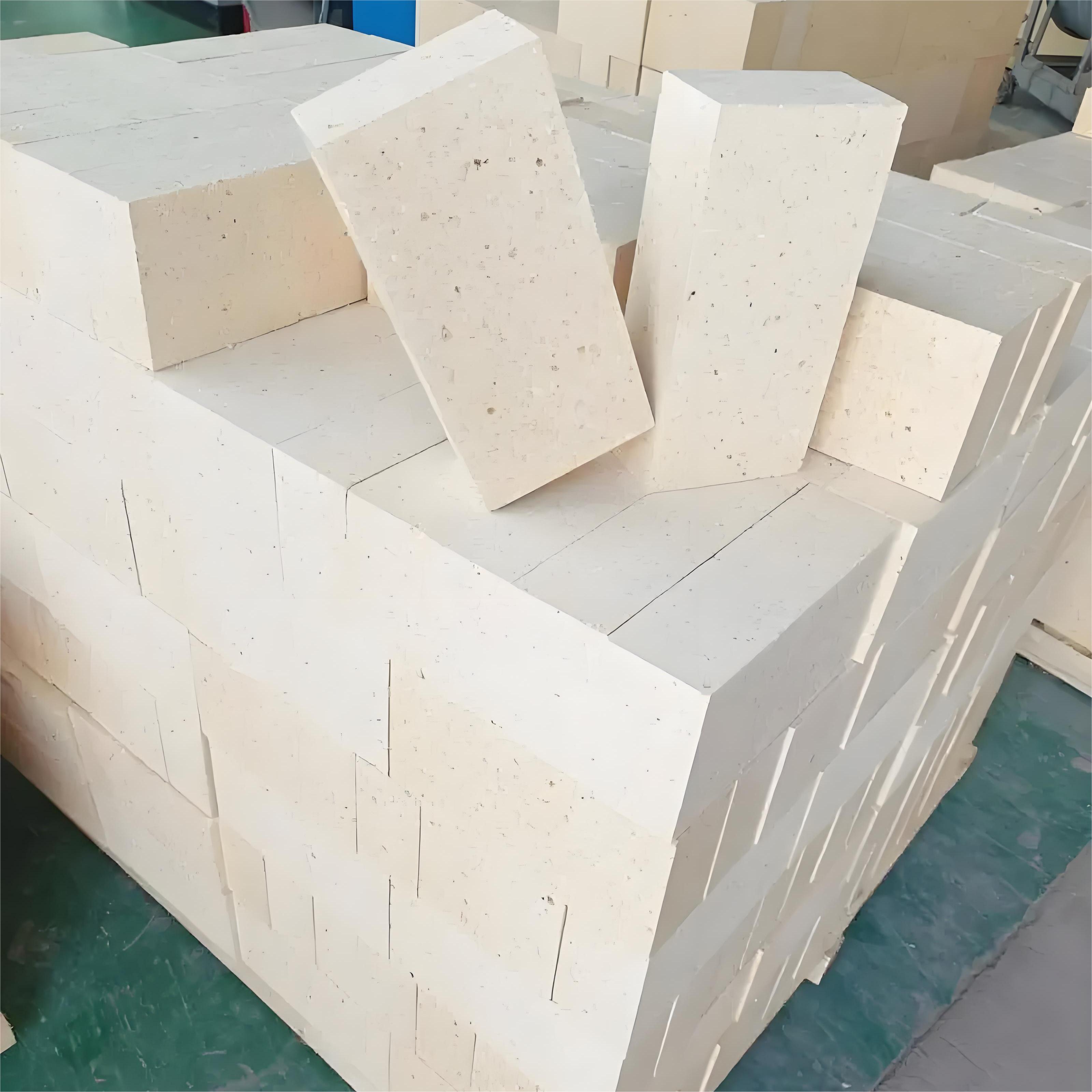
At the microscopic level, the spinel phase bonds the crystalline grains tightly, limiting microcrack propagation. Macro-scale benefits include:
This comprehensive advantage positions direct bonded magnesia-chrome bricks as an indispensable component for high-efficiency, long-life refractory linings.
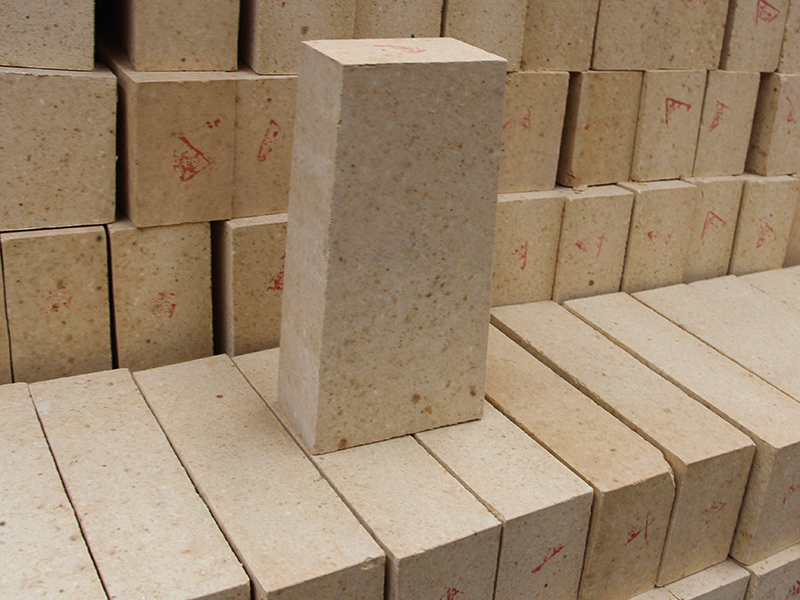
The cement and metallurgical sectors increasingly demand refractory materials that deliver predictable durability and reduced operational risks. Advances in material science, coupled with economic pressure to reduce downtime and maintenance costs, drive adoption of premium magnesia-chrome bricks. Suppliers with proven R&D and strict quality controls continue gaining market share worldwide.
Is your kiln facing premature refractory failure or frequent maintenance interruptions? Upgrading to direct bonded magnesia-chrome bricks might be the strategic move to future-proof your operation.
 409
|
409
|
 zero expansion silica bricks
refractory materials for ceramic glass industry
advanced manufacturing processes for zero expansion silica bricks
150
|
zero-expansion silicon bricks
refractory materials for ceramics and glass industry
advanced manufacturing techniques of zero-expansion silicon bricks
298
|
ceramic fiber fabric high temperature
industrial ceramic fiber布
lightweight refractory material
high temperature insulation fabric
corrosion resistant ceramic fabric
89
|
ceramic roller customization
high temperature ceramic roller selection
bauxite ceramic roller
refractory ceramic roller
industrial ceramic roller performance
466
|
sintered silicon carbide refractory boards
high-temperature industrial refractory solutions
efficient wear-resistant refractory boards
zero expansion silica bricks
refractory materials for ceramic glass industry
advanced manufacturing processes for zero expansion silica bricks
150
|
zero-expansion silicon bricks
refractory materials for ceramics and glass industry
advanced manufacturing techniques of zero-expansion silicon bricks
298
|
ceramic fiber fabric high temperature
industrial ceramic fiber布
lightweight refractory material
high temperature insulation fabric
corrosion resistant ceramic fabric
89
|
ceramic roller customization
high temperature ceramic roller selection
bauxite ceramic roller
refractory ceramic roller
industrial ceramic roller performance
466
|
sintered silicon carbide refractory boards
high-temperature industrial refractory solutions
efficient wear-resistant refractory boards