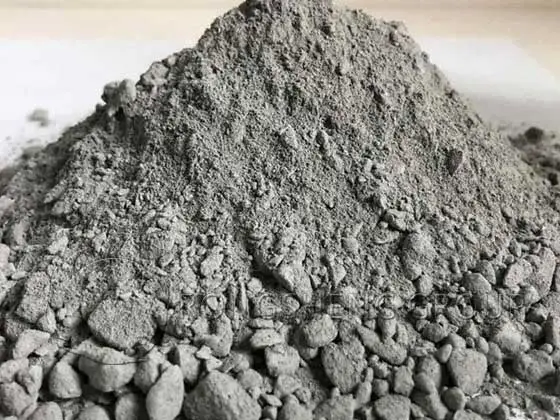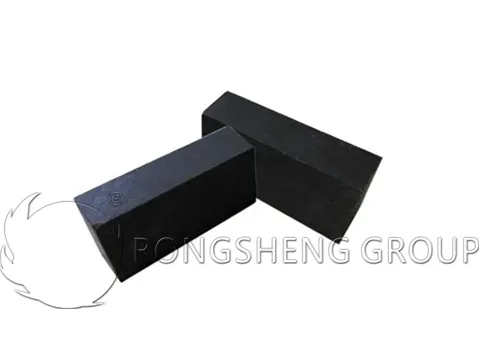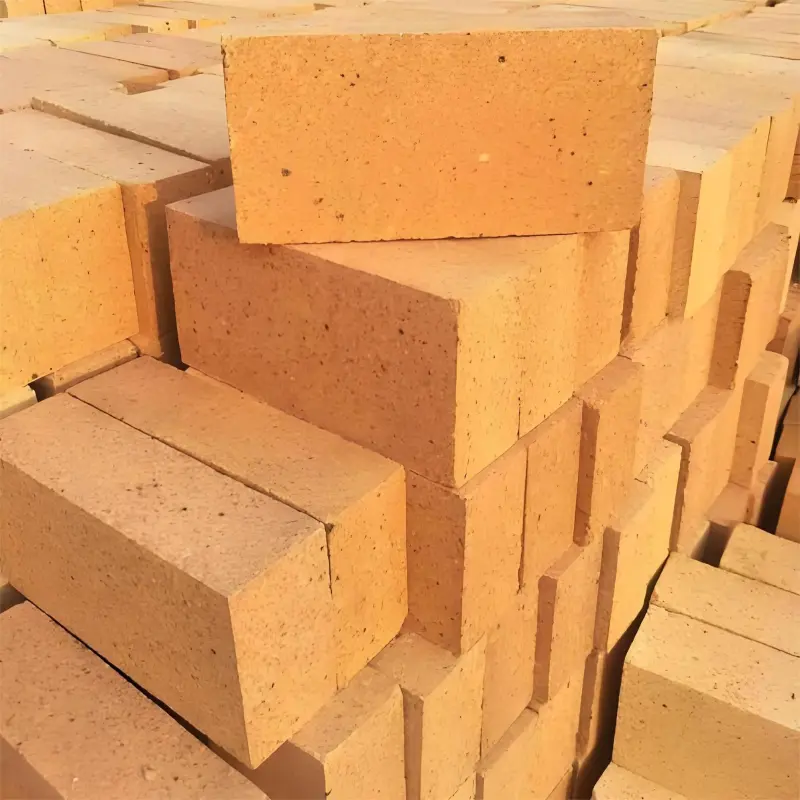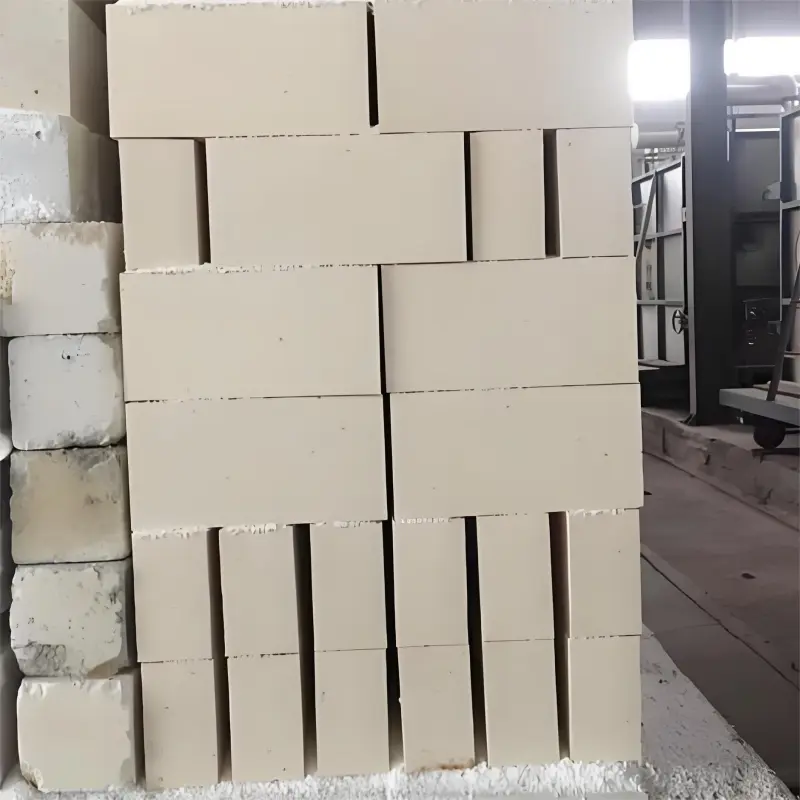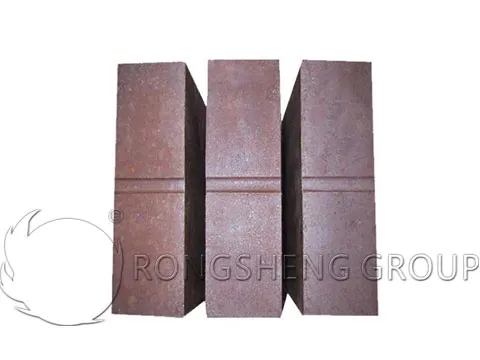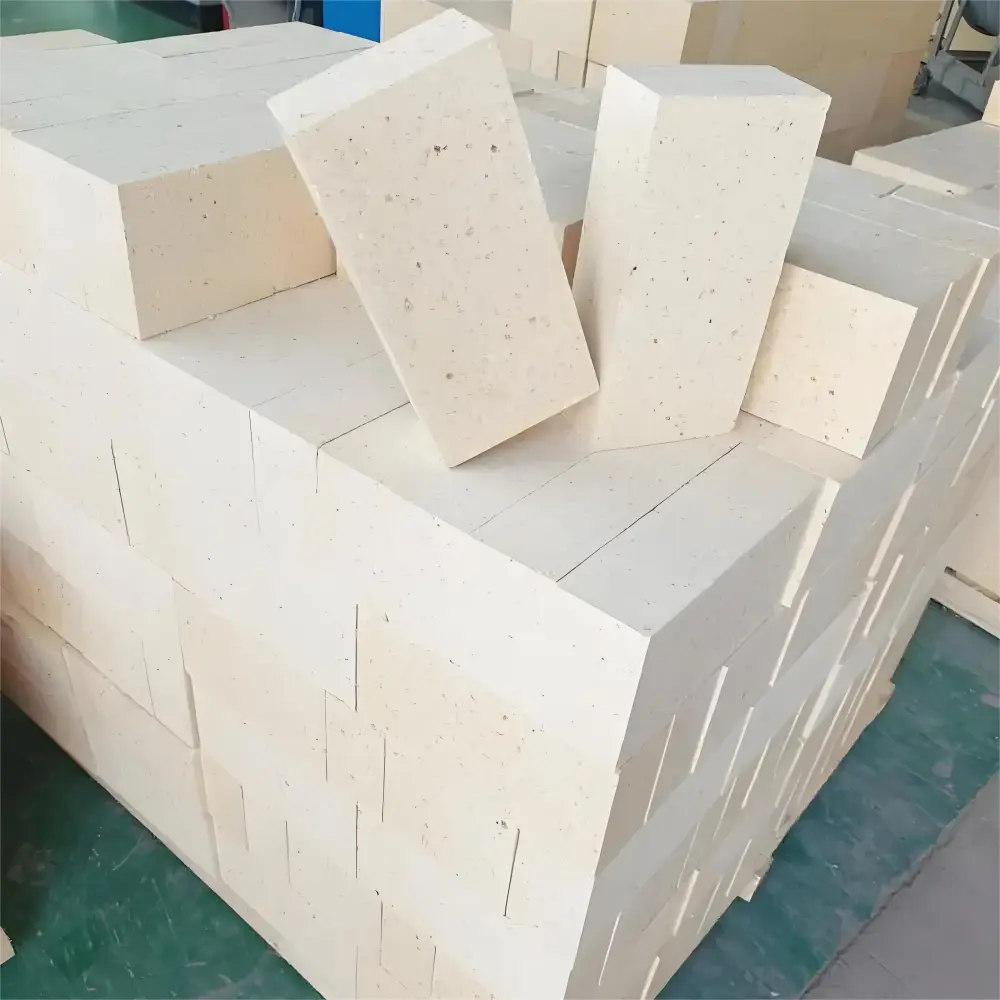
The ever-increasing demands of modern high-temperature industrial processes call for refractory materials that combine exceptional durability with precise tailoring capabilities. Among these materials, magnesia-chrome bricks stand out for their remarkable resistance to thermal fatigue, slag corrosion, and mechanical wear.
Zhengzhou Rongsheng Refractory Co., Ltd. drives innovation with a cutting-edge customization service that empowers high-temperature industries to optimize their refractory lining systems specifically to their furnace design, operational conditions, and performance goals. This article explores how tailored magnesia-chrome bricks improve key parameters such as compressive strength and refractoriness, shedding light on tangible benefits backed by real-world data and client success stories.
Industrial furnaces vary widely in shape, temperature profiles, and exposure to harsh chemicals. Standard refractory bricks often fall short when asked to simultaneously satisfy complex operational demands like minimizing thermal expansion, resisting chemical penetration, and sustaining mechanical load.
Customization of magnesia-chrome bricks addresses these challenges by adjusting parameters such as dimensions, shape, compressive strength, and refractory endurance. This ensures that the bricks not only fit perfectly within furnace structures but also deliver prolonged service life and reliability.
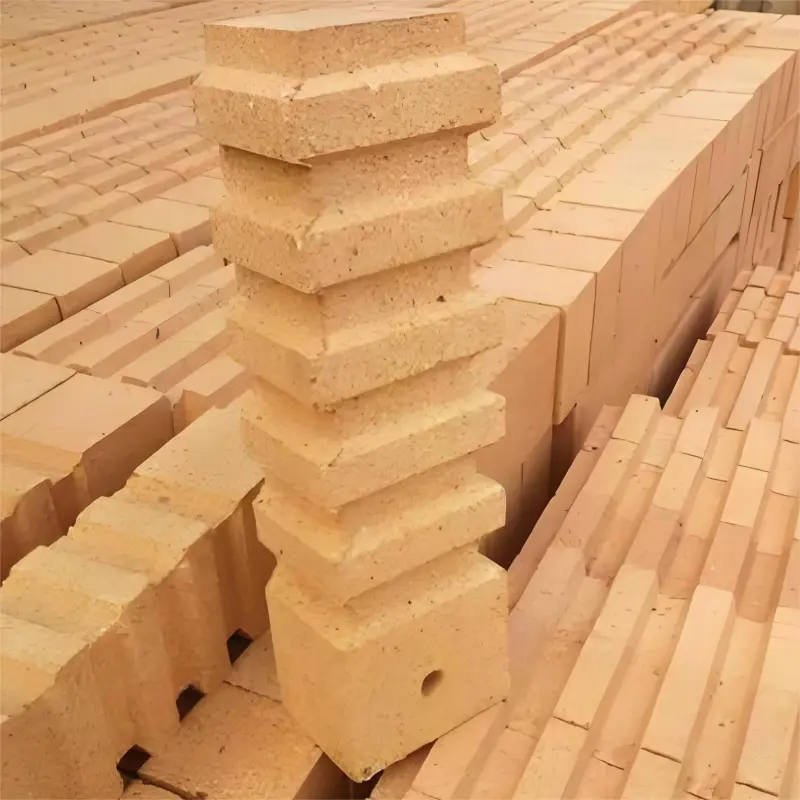
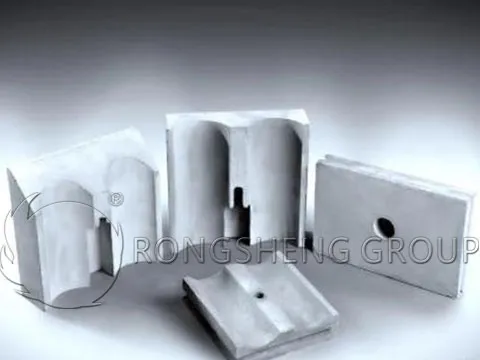
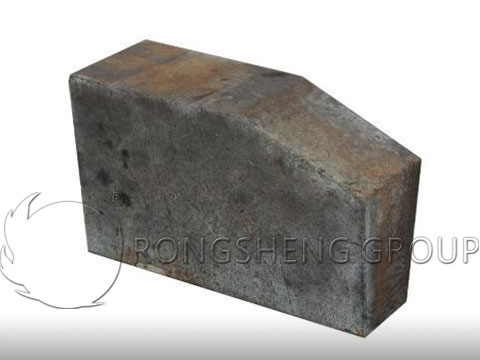
Precise brick sizing helps achieve a tight furnace lining assembly, reducing gaps that can result in heat loss or slag infiltration. Customized shapes, including wedge, tapered, or curved bricks, support complex furnace geometries which standard bricks cannot match. This translates to more efficient heat retention and improved energy consumption.
Compressive strength directly impacts the brick’s ability to withstand mechanical loads under high temperatures. By fine-tuning raw material ratios and firing profiles, custom bricks achieve compressive strengths upwards of 80 MPa, surpassing typical industry standards. This enhanced strength reduces the risk of structural failures, lowering maintenance frequency and downtime.
Refractoriness — the brick’s resistance to melting or softening — is vital under extreme heat. Customized bricks from Rongsheng boast refractoriness above 1800°C, tuned to meet specific furnace environments. This ensures sustained integrity in operations like steelmaking, cement kilns, and glass production.
One steel mill customer recently reported a 30% increase in lining lifespan after commissioning Rongsheng’s customized magnesia-chrome bricks tailored to their converter furnace geometry and thermal profile. Additionally, onsite inspections confirmed an improvement in compressive strength from their previous standard bricks’ ~60 MPa to customized bricks at 85 MPa.
Another example from the cement industry highlighted reduced thermal shock-induced cracking thanks to customized shapes that accounted for kiln shell dynamics, resulting in 15% improved operational uptime within six months.
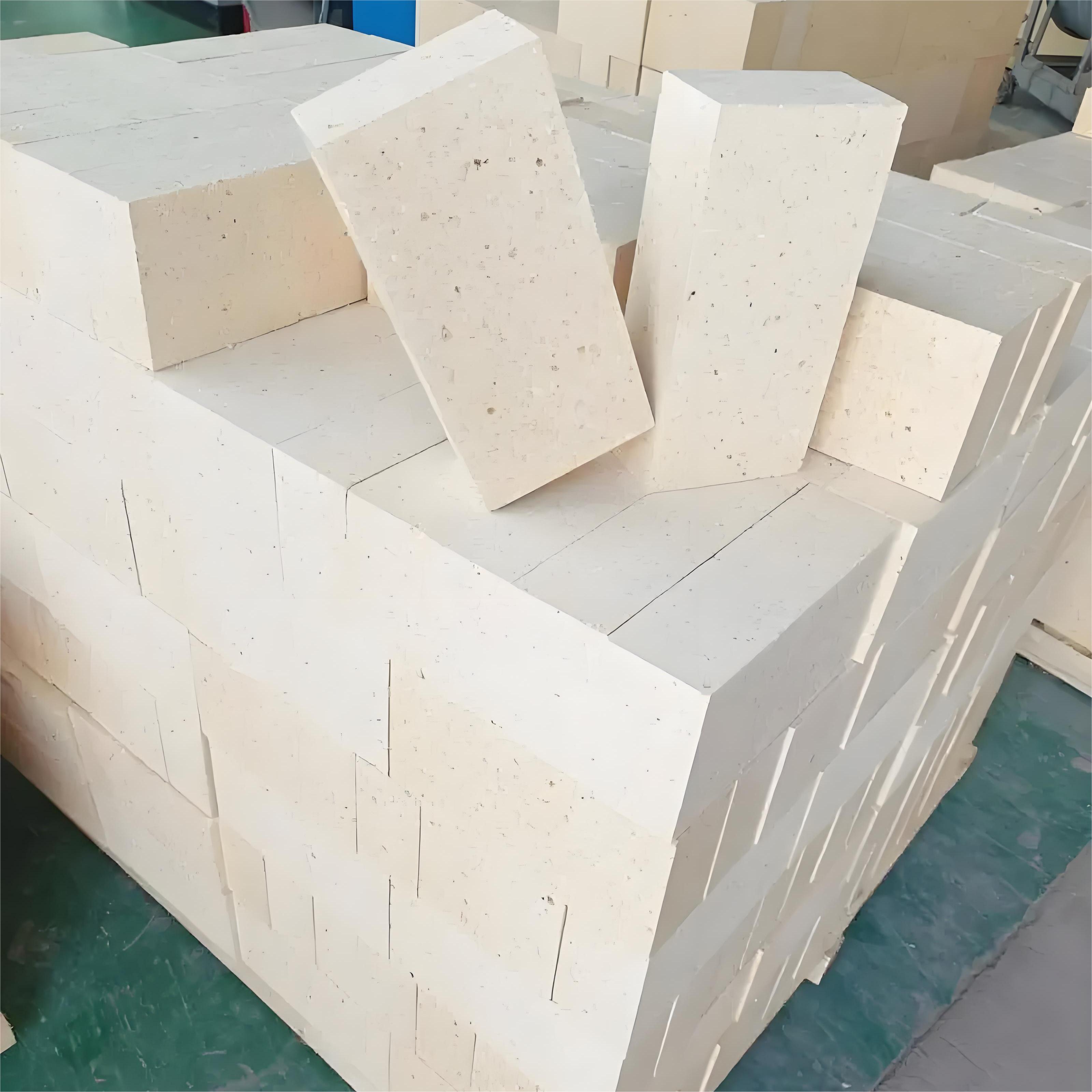
Achieving the perfect customization requires comprehensive evaluation of furnace operating parameters including max temperature, chemical atmosphere, mechanical loads, and thermal cycling. Through advanced compositional analysis and manufacturing control, Rongsheng engineers develop uniquely formulated magnesia-chrome bricks that meet precise performance targets.
Their QA process includes batch testing for compressive strength, hot modulus of rupture, and refractoriness under simulated conditions ensuring consistent and reproducible quality in every order.
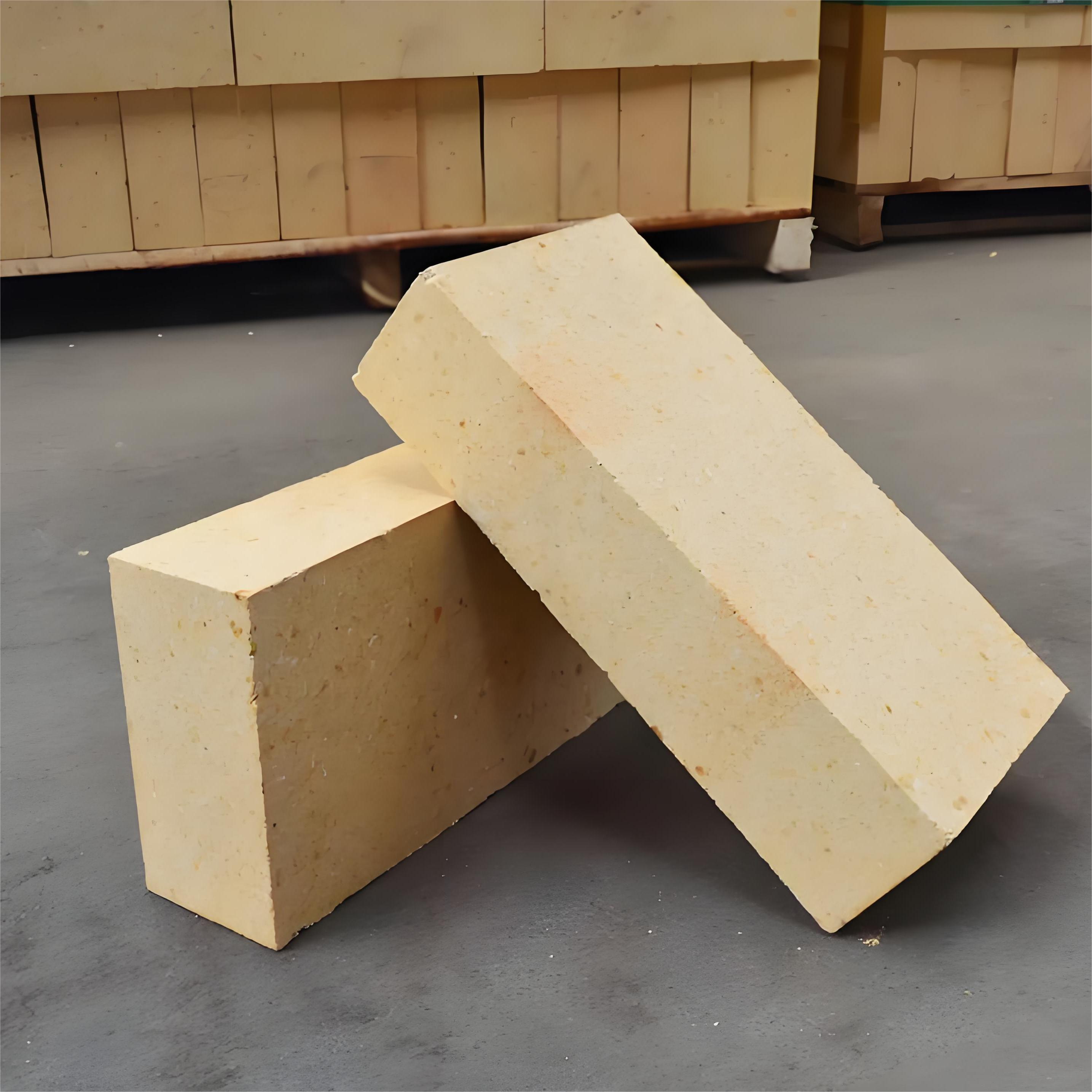
Businesses operating in steel, cement, glass, and other high-temperature sectors stand to benefit immensely by adopting customized magnesia-chrome refractory bricks — unlocking improved furnace efficiency, extended service intervals, and optimized cost-performance balance.
Curious about how tailored refractory solutions can transform your operations? Engage with Rongsheng’s technical team to discuss your unique furnace environment and production challenges to receive expert recommendations.
 354
|
354
|
 Industrial kiln ceramic slurry High - temperature resistant ceramic slurry Customizable component ceramic slurry Environmental management system certification High - temperature and alkali - resistant ceramic slurry
147
|
carbon refractory brick acid-resistant refractory high temperature refractory material CE certified refractory custom refractory brick
388
|
Aluminate Hollow Ball Bricks ISO Certification Industrial Kiln High-Temperature Applications Energy Saving Insulation Performance Zhengzhou Rongsheng Refractory Materials Co. Ltd.
45
|
cross-border e-commerce marketing smart manufacturing trends lightweight insulating castable global supply chain restructuring international export strategy
409
|
high porosity clay insulating bricks glass furnace refractory materials lightweight insulating bricks high temperature thermal insulation solutions customized refractory bricks
Industrial kiln ceramic slurry High - temperature resistant ceramic slurry Customizable component ceramic slurry Environmental management system certification High - temperature and alkali - resistant ceramic slurry
147
|
carbon refractory brick acid-resistant refractory high temperature refractory material CE certified refractory custom refractory brick
388
|
Aluminate Hollow Ball Bricks ISO Certification Industrial Kiln High-Temperature Applications Energy Saving Insulation Performance Zhengzhou Rongsheng Refractory Materials Co. Ltd.
45
|
cross-border e-commerce marketing smart manufacturing trends lightweight insulating castable global supply chain restructuring international export strategy
409
|
high porosity clay insulating bricks glass furnace refractory materials lightweight insulating bricks high temperature thermal insulation solutions customized refractory bricks