Why Glass Furnace Operators Choose Custom Insulating Fire Clay Bricks: Case Results & Thermal Insulation Data
2026-03-28
Customer Cases
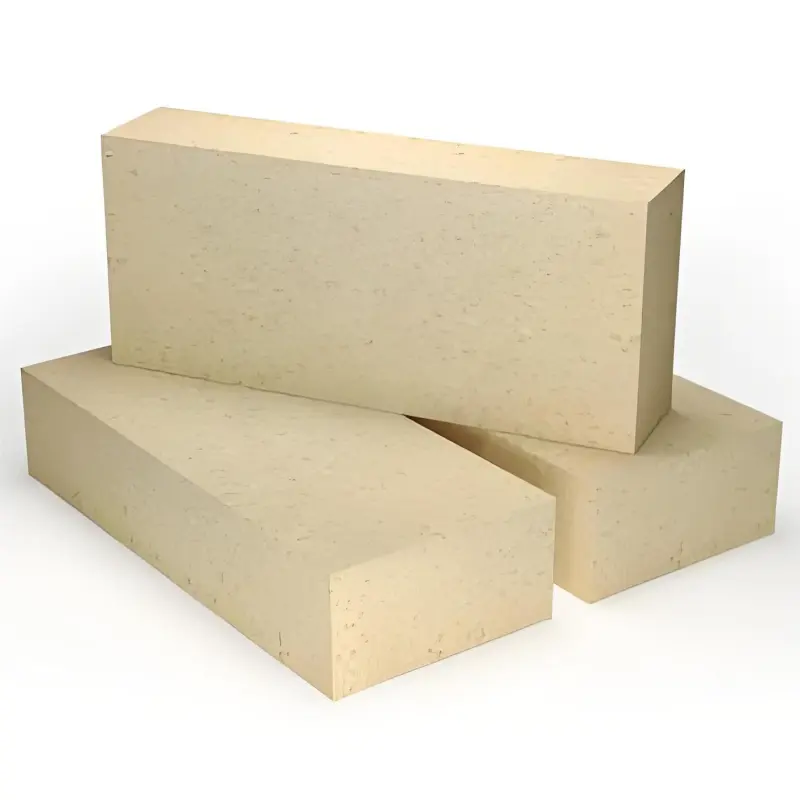
This article explains why custom insulating fire clay bricks have become a preferred solution for glass furnace insulation upgrades, focusing on how RS Refractory (Zhengzhou Rongsheng Refractory Co., Ltd.) designs fit-for-purpose linings for demanding thermal cycles. From alumina content control (typically 35%–48%) to high-pressure forming and 1200°C–1400°C firing, the customization approach targets high porosity, low bulk density, and reliable mechanical strength—key factors behind stable insulation performance and lining integrity. With a real-world glass furnace application as reference, the article highlights how tailored dimensions and optimized thermal conductivity (≤0.6 W/m·K) help address common pain points such as excessive heat loss, high energy consumption, and local deformation risks. Comparative data, including cold crushing strength (≥1.5 MPa), is used to show the practical value of moving from “standard purchase” to “engineering-led customization.” The takeaway is clear: not just bricks, but an energy-saving solution—making every unit of heat truly worthwhile.

Why Glass Furnace Owners Choose Customized Clay Insulating Bricks: Real Cases + Insulation Data
In glass melting, “good enough” insulation is rarely enough. Heat loss, shell hot spots, and repeated repairs tend to compound into fuel waste, unstable temperature fields, and shortened furnace campaign life. This is why more operators are moving from passive catalog purchasing to customized clay insulating brick solutions—designed around the furnace’s real geometry, temperature map, and lining constraints.
For many international projects, Rongsheng Refractory positions clay insulating bricks not as a single item to buy, but as a practical thermal-management upgrade—“not just bricks, but an energy-saving solution” that aims to “make every inch of heat count.”
What Glass Furnaces Really Ask from Insulation (Beyond “Low Thermal Conductivity”)
Glass furnaces run long, hot, and unforgiving. The insulation layer must reduce heat loss while maintaining shape and integrity under temperature gradients, vibration, and structural loads from backup linings. In practice, buyers typically evaluate three issues:
1) Energy loss that never shows up on the invoice line item
Shell temperature creep and heat leakage mean fuel is spent on the workshop air, not on the melt. Even small improvements in insulation efficiency often pay back through cumulative daily operation.
2) Geometry mismatch and “gap-driven” hot spots
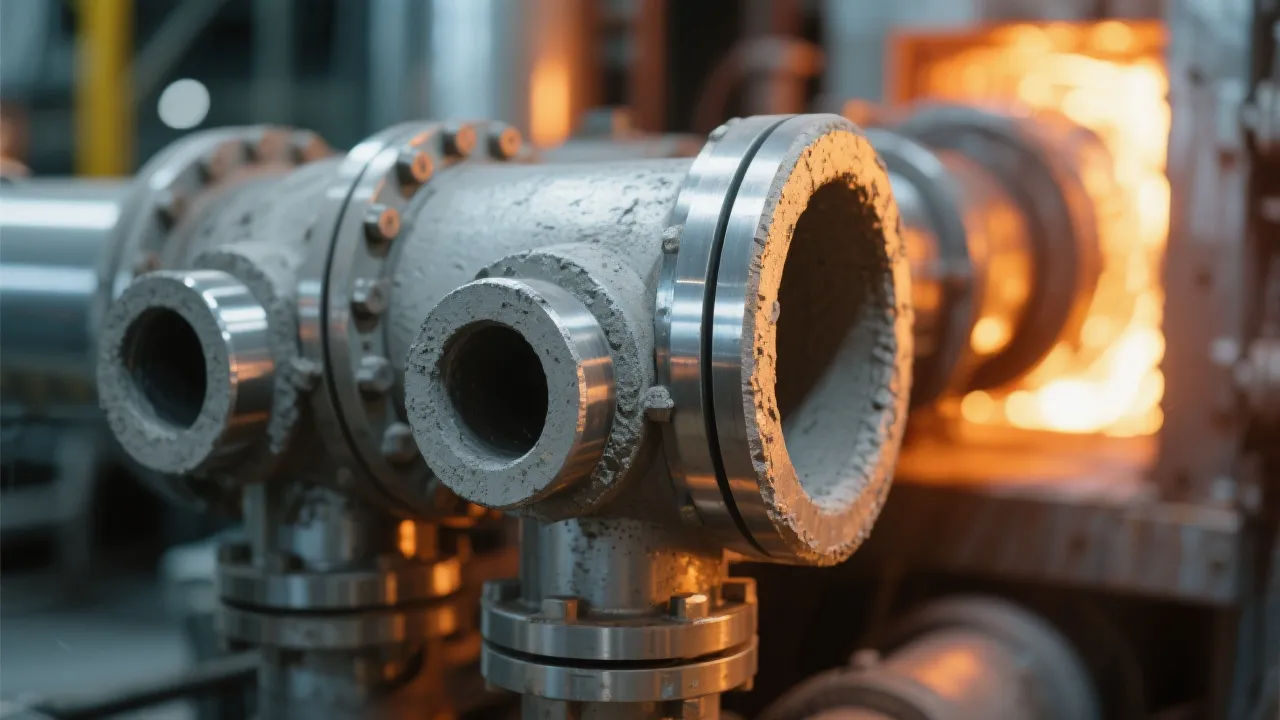
Standard sizes can leave irregular joints around burner blocks, crowns, and flues. Uncontrolled joints become thermal bridges—creating local hot spots and accelerating lining wear.
3) A false trade-off between “lightweight” and “strong enough”
High porosity and low bulk density help insulation, but the brick still needs workable mechanical strength to endure installation, vibration, and long-term service conditions.
Interactive question: Your furnace—does it face similar issues like high energy consumption, localized shell hot spots, or deformation risk at insulation joints?
Why Customized Clay Insulating Bricks Work Better for Glass Furnaces
According to project practice, the “customized” value is not a marketing label—it is a measurable engineering approach. In a typical glass furnace insulation design, Rongsheng Refractory focuses on three levers that determine performance consistency:
A. Raw material ratio built for stable insulation
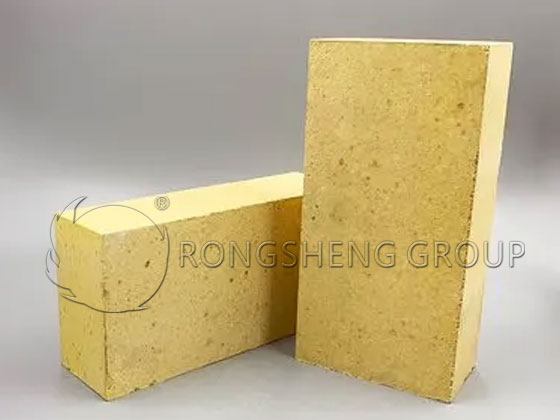
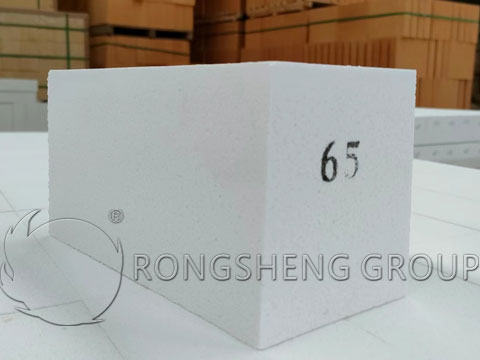
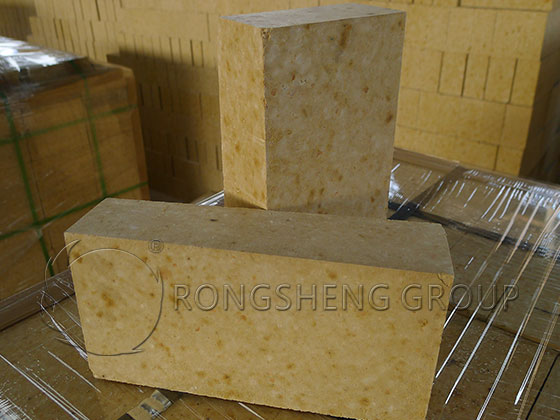
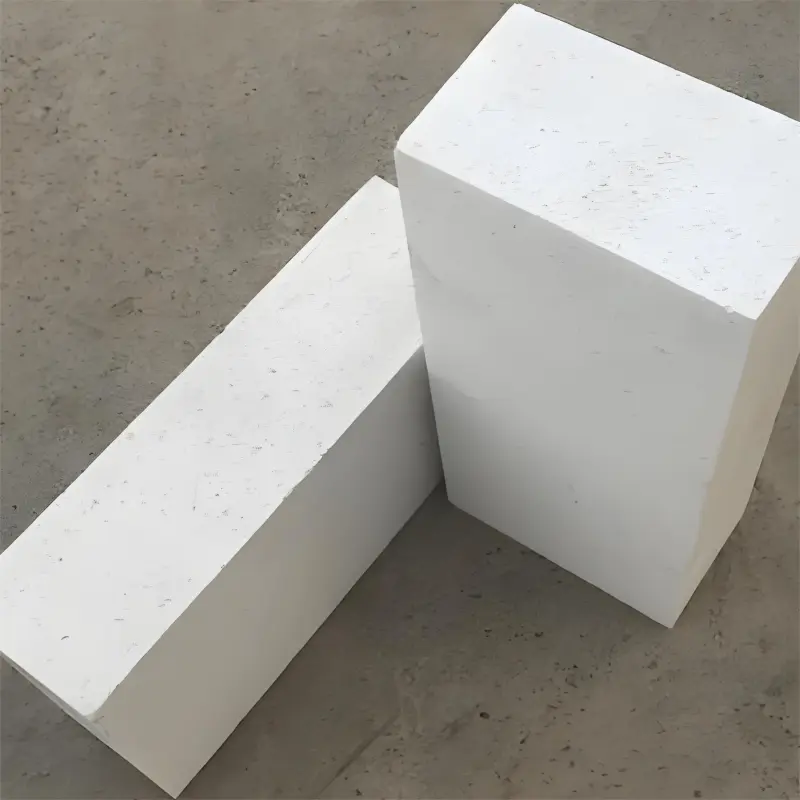
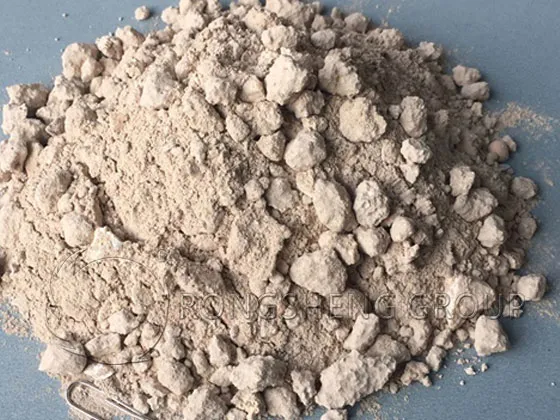
For lightweight refractory clay insulation bricks used in furnace backup layers, a typical bauxite content range of 35%–48% supports balanced refractoriness and structure. This helps maintain insulation stability under sustained thermal cycling rather than only performing well in short laboratory tests.
B. Manufacturing process that targets uniform pore structure
A commonly applied process route is high-pressure forming followed by firing at 1200°C–1400°C. The aim is controlled porosity (for low thermal conductivity) without sacrificing brick integrity and installation reliability.
C. Dimensional customization that reduces thermal bridges
Custom sizes and shapes—especially around transitions, curved sections, and flue areas—reduce uncontrolled gaps, improve lining continuity, and lower the risk of “joint hot lines” that drive shell hot spots.
Performance Data That Buyers Usually Ask First (With a Practical Benchmark)
Glass furnace customers tend to compare thermal conductivity and cold crushing strength to ensure the brick is truly “insulating” while remaining usable in real installation and operation. Below is a reference comparison commonly used during pre-selection. Actual values vary by grade, service temperature, and brick structure; final confirmation should follow the furnace zone’s temperature profile and lining design.
| Item |
Customized Clay Insulating Brick (Rongsheng reference) |
Typical “General Catalog” Insulating Brick |
| Thermal conductivity |
≤ 0.60 W/m·K (reference at mid-temperature testing range) |
0.65–0.85 W/m·K (commonly seen) |
| Cold crushing strength |
≥ 1.5 MPa |
0.8–1.3 MPa (typical range) |
| Bulk density |
~ 0.7–1.0 g/cm³ (grade-dependent) |
~ 0.9–1.2 g/cm³ |
| Porosity |
High, controlled pore distribution for insulation stability |
High, often less consistent between batches |
For many glass furnace operators, the decision is less about chasing the lowest thermal conductivity number and more about repeatability: stable conductivity + adequate strength + better-fit geometry reduces variability in shell temperatures and maintenance frequency.
Customer Case Snapshot: When “Standard Sizes” Became the Hidden Cost
Client quote (project communication excerpt):
“We saw persistent hot spots near transitions and flue-side joints. Our maintenance team could patch them, but the pattern kept returning. We needed the insulation layer to fit the furnace geometry—not the other way around.”
In this project type, the typical pain point is not that insulating bricks “don’t insulate.” The real issue is that geometry mismatch creates gaps, and gaps create thermal bridges. Over time, the furnace shell temperature distribution becomes uneven, affecting both energy efficiency and structural stability.
What was customized (practical scope)
- Brick dimensions and special shapes to match transitions and curved/irregular sections, reducing on-site cutting and uncontrolled joints.
- Thermal conductivity target aligned to the backup insulation design objective (reference: ≤ 0.60 W/m·K where applicable).
- Strength baseline to maintain handling and installation reliability (reference: ≥ 1.5 MPa).
Observed outcomes (typical ranges reported by users)
- More stable shell temperature distribution after commissioning, with fewer localized hot lines at joints.
- Reduced maintenance interruptions related to insulation layer patching (results depend on furnace condition and operating practices).
- Energy savings potential that operators typically evaluate over months of continuous production rather than days.
Why Procurement Teams Trust a “Repeatable Delivery” Supplier (Not Only a Good Spec Sheet)
For glass furnace projects, risk control is often more important than a single optimal parameter. Rongsheng Refractory is positioned as a stable partner for insulation upgrades with a manufacturing and quality system that supports repeatability across batches and timelines:
Company credentials built for industrial procurement
Recognized as a National High-Tech Enterprise, supported by an ISO-certified quality management system and over 10 years of industry experience—helping buyers standardize approval and reduce project uncertainty.
Customization workflow that engineers can verify
Typical collaboration starts from zone temperature, lining structure, and size drawings. This enables a specification that is easier to validate in technical review—especially for high-temperature kiln energy-saving retrofits and long-campaign glass furnaces.
Procurement teams often find that the biggest upgrade is mindset: shifting from “buying bricks” to designing an insulation outcome. In this sense, customized clay insulating brick supply becomes a practical path to energy-efficiency improvements—without changing the entire furnace system.
If You’re Planning a Furnace Efficiency Upgrade, Start with These Inputs
To make customization effective (and avoid unnecessary over-design), most engineering discussions move faster when buyers prepare:
- Furnace zone temperature range and operating schedule (continuous vs. intermittent).
- Lining structure (working layer + backup insulation) and thickness targets.
- Brick drawings, special shapes, and tolerance requirements at transitions.
- Target KPIs: shell temperature reduction, maintenance interval, or energy-saving retrofit goals.
Not Just Bricks, but an Energy-Saving Solution
If your glass furnace is losing heat at joints, struggling with hot spots, or you’re preparing a high-temperature kiln energy-saving retrofit, the fastest step is to align brick geometry and insulation targets to your real furnace conditions—so every inch of heat is worth it.
Request a Customized Clay Insulating Brick Specification for Your Glass Furnace
Typical review items include thermal conductivity, compressive strength, density grade, and special-shape drawings for transitions and flues.