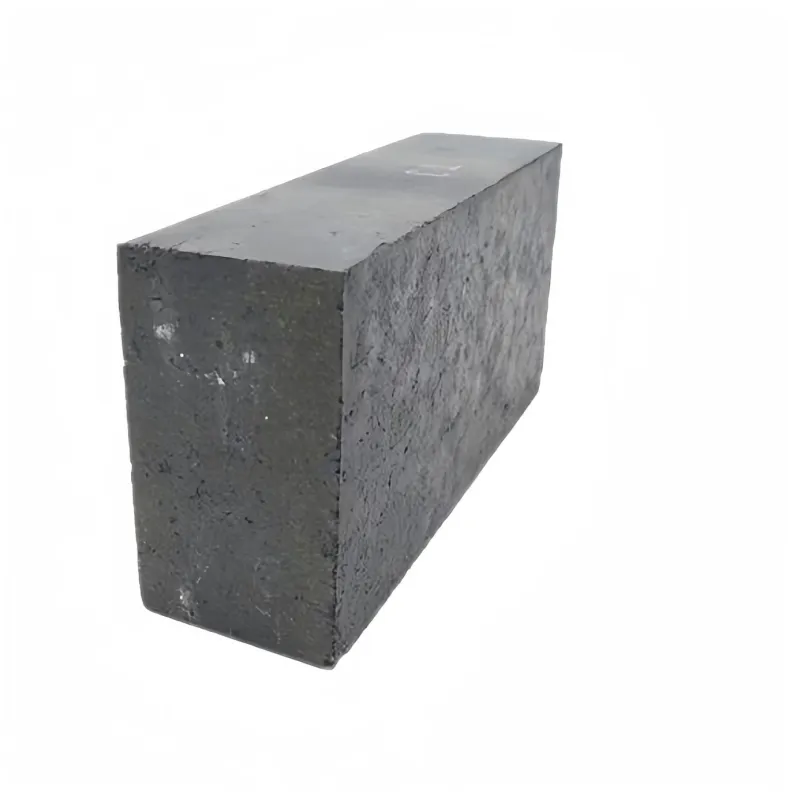
Are you a procurement or technical specialist in the high-temperature industrial furnace sector? If you're grappling with issues like short service life and cracking of refractory materials, you're in the right place! In this article, we'll demystify direct-bonded magnesia-chrome bricks, offering you practical guidance to make informed choices.
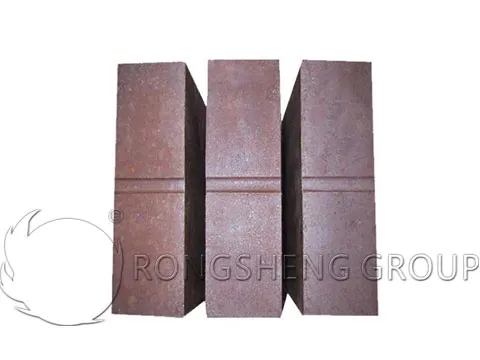
Direct-bonded magnesia-chrome bricks are a game-changer in high-temperature industrial furnaces. Let's delve into the core performance metrics:
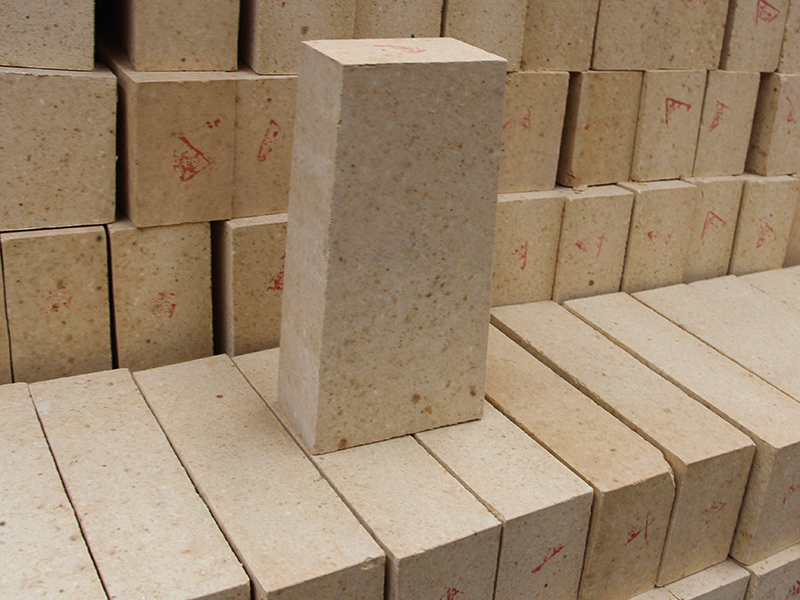
Understanding the specifications of direct-bonded magnesia-chrome bricks is essential for proper selection. Here are the main aspects:
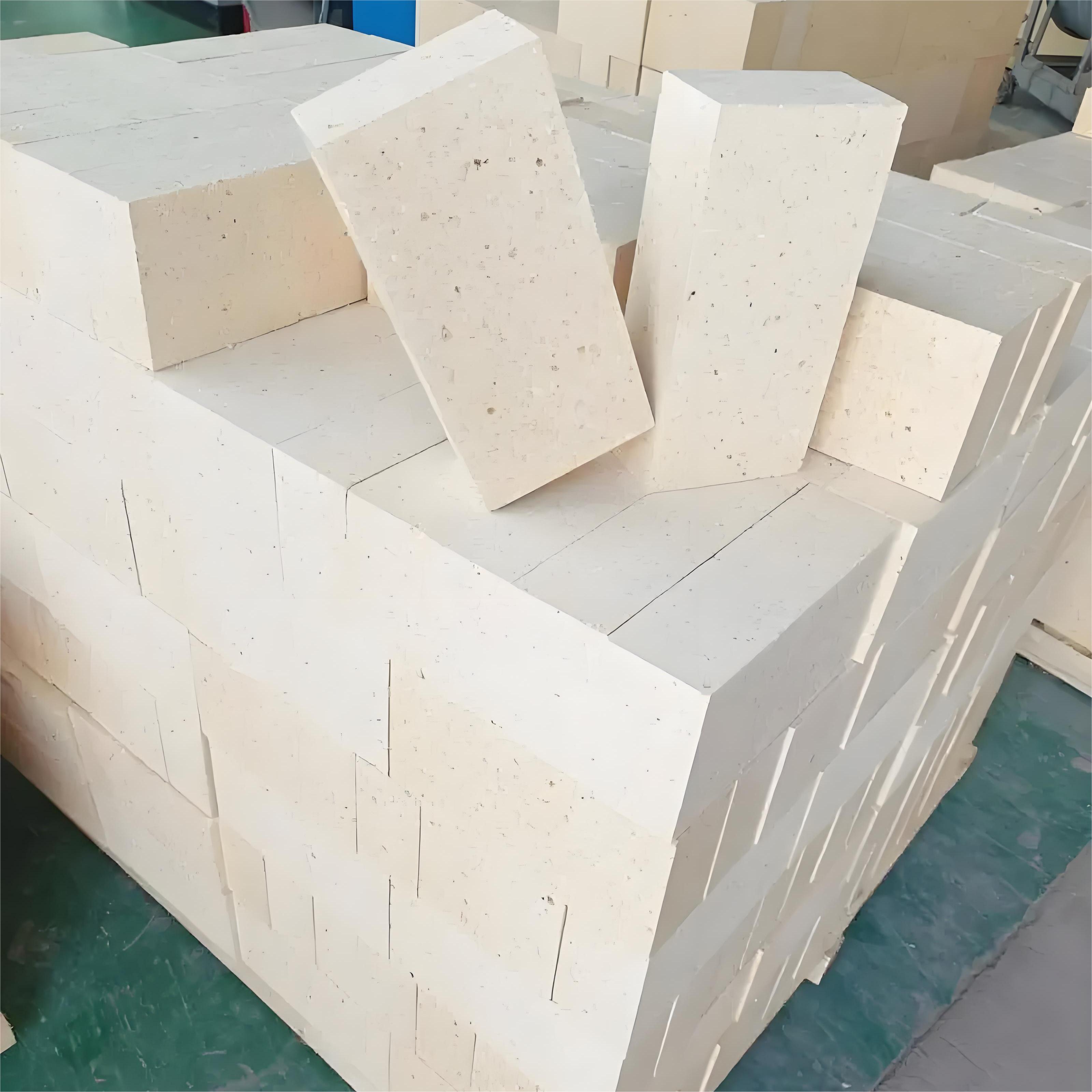
To ensure the best performance of your industrial furnace, you need to consider the actual working conditions:
Let's look at some real - world examples. A steel manufacturing company in the United States was facing frequent furnace shutdowns due to refractory material failure. After switching to our direct - bonded magnesia - chrome bricks, they saw a 30% increase in furnace service life, reduced maintenance costs by 25%, and a 15% improvement in production efficiency. This clearly demonstrates the benefits of choosing the right refractory bricks. 🚀
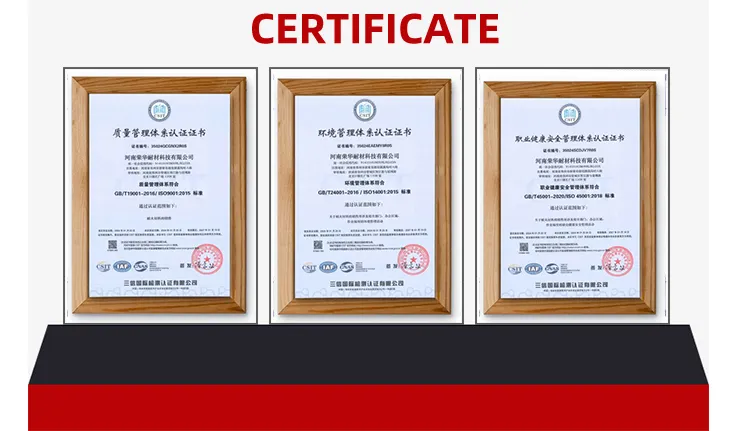
According to industry statistics, over 40% of furnace failures are caused by non - compliant refractory materials. Our products are internationally certified and undergo strict production and inspection processes, ensuring reliability and quality. Choosing a regular supply channel can effectively reduce the risk of furnace failure and improve production efficiency. 📈
Do you have any questions about direct - bonded magnesia - chrome bricks? Feel free to leave your questions below, and our experts will answer them promptly. 🤗
 326
|
326
|
 Siliceous refractory bricks High - temperature refractory materials Hot blast stove refractory bricks Customized refractory bricks Industrial high - temperature protection materials
402
|
Ceramic fiber chopped cotton High-temperature kiln energy-saving materials Refractory material solutions Industrial energy-saving technology High-temperature insulation materials
86
|
refractory castables refractory material installation high temperature refractory solutions steel industry refractory materials wear-resistant refractory applications
426
|
High-alumina refractory balls Refractory material customization High-temperature refractory materials Thermally stable refractory balls Global service network for refractory balls
165
|
high purity graphite silicon carbide crucible aluminum melting crucible solution industrial crucible with oxidation resistance silicon carbide crucible for high temperature refractory crucible supplier
Siliceous refractory bricks High - temperature refractory materials Hot blast stove refractory bricks Customized refractory bricks Industrial high - temperature protection materials
402
|
Ceramic fiber chopped cotton High-temperature kiln energy-saving materials Refractory material solutions Industrial energy-saving technology High-temperature insulation materials
86
|
refractory castables refractory material installation high temperature refractory solutions steel industry refractory materials wear-resistant refractory applications
426
|
High-alumina refractory balls Refractory material customization High-temperature refractory materials Thermally stable refractory balls Global service network for refractory balls
165
|
high purity graphite silicon carbide crucible aluminum melting crucible solution industrial crucible with oxidation resistance silicon carbide crucible for high temperature refractory crucible supplier