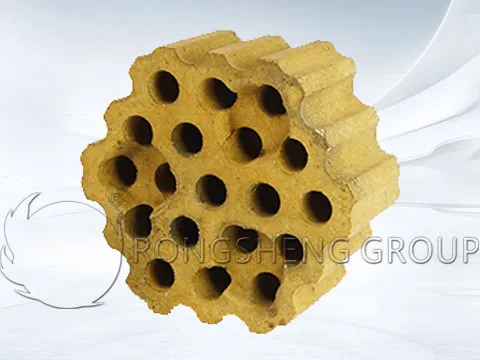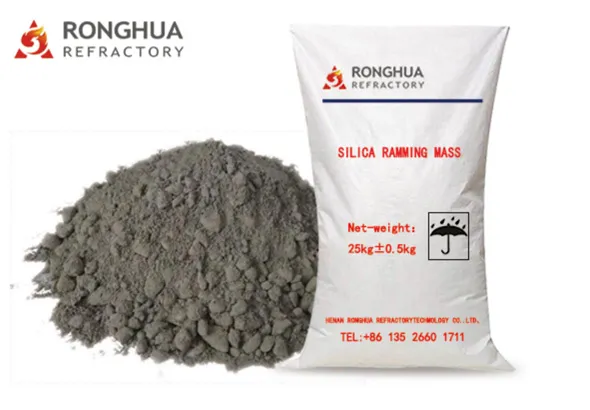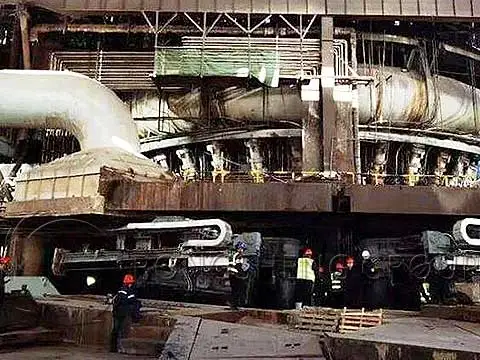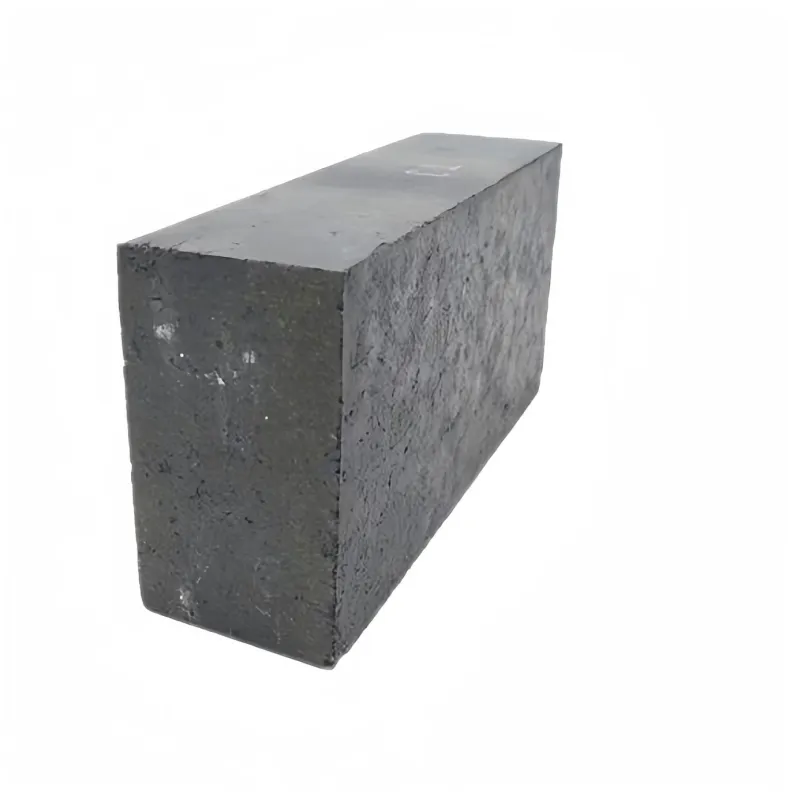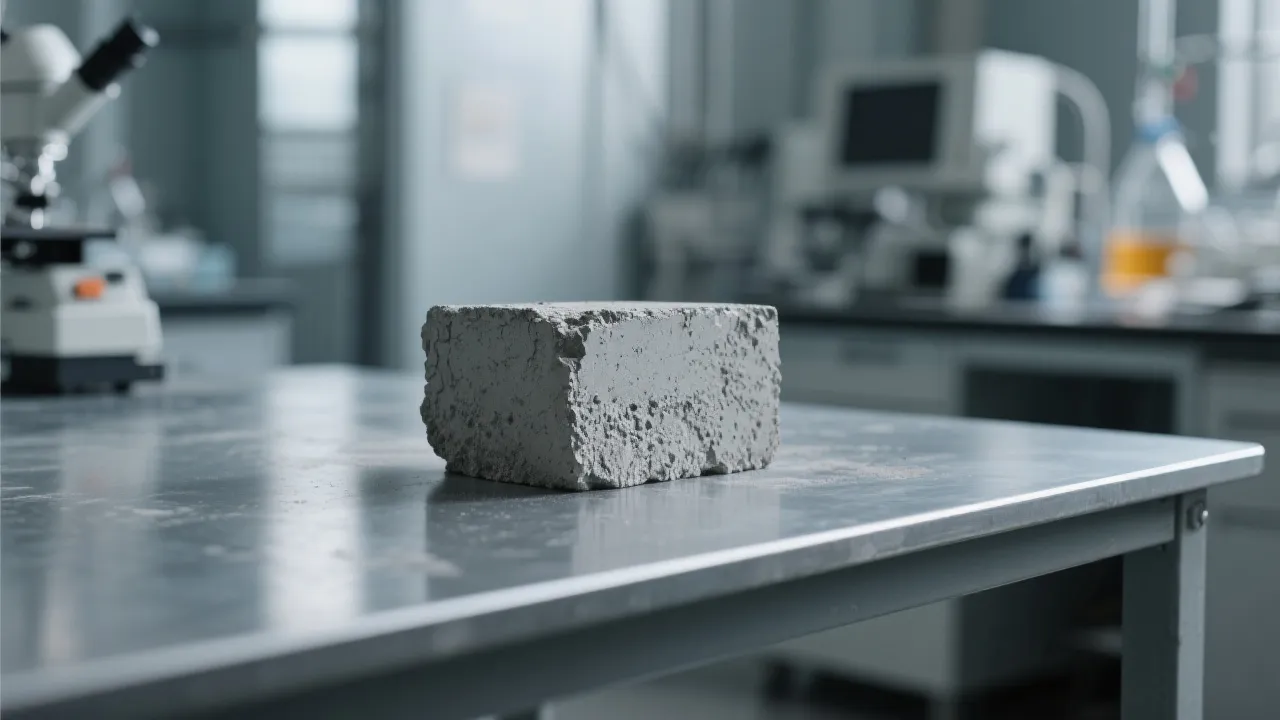
Today’s high-temperature industrial processes—particularly in sectors like steel, power generation, and petrochemicals—pose significant challenges to the reliability and longevity of refractory materials. As these industries push operational limits, they demand refractory solutions that combine superior thermal resistance, mechanical strength, and structural stability. This article delves into the technical superiority of internationally certified refractory mortars designed to endure extreme temperature conditions, highlighting their automated manufacturing process and proven performance across more than 30 countries worldwide.
Industrial furnaces, kilns, and reactors often operate at temperatures exceeding 1500°C, where conventional materials fail due to thermal degradation or mechanical stress. This scenario results in costly downtime, maintenance, and energy inefficiencies. Modern refractory materials must therefore excel in:
“Since integrating international certified refractory mortars, our steel plant has observed a 15% reduction in maintenance shutdowns and a measurable improvement in energy efficiency,” reports a leading production manager in the steel sector.
The refractory mortars in focus boast a verified temperature resistance threshold of up to 1650°C, surpassing many competitors by 5-10%. Their compressive strength stabilizes beyond 30 MPa even after prolonged exposure to thermal cycling. Specifically, heat shock resistance tests demonstrate minimal dimensional changes (<0.3%), indicating excellent thermal fatigue resilience.
These figures are supported by rigorous internal quality controls and third-party verification bodies, underlining reliability in severe environments. Such data-driven assurance directly translates into longer service life and reduced replacement frequency for industrial users.
Leveraging cutting-edge automation, the production line maintains tight tolerances in raw material mixing and firing, yielding consistent product quality. The facility operates with an annual capacity exceeding 130,000 metric tons, enabling scalable supply for global clients.
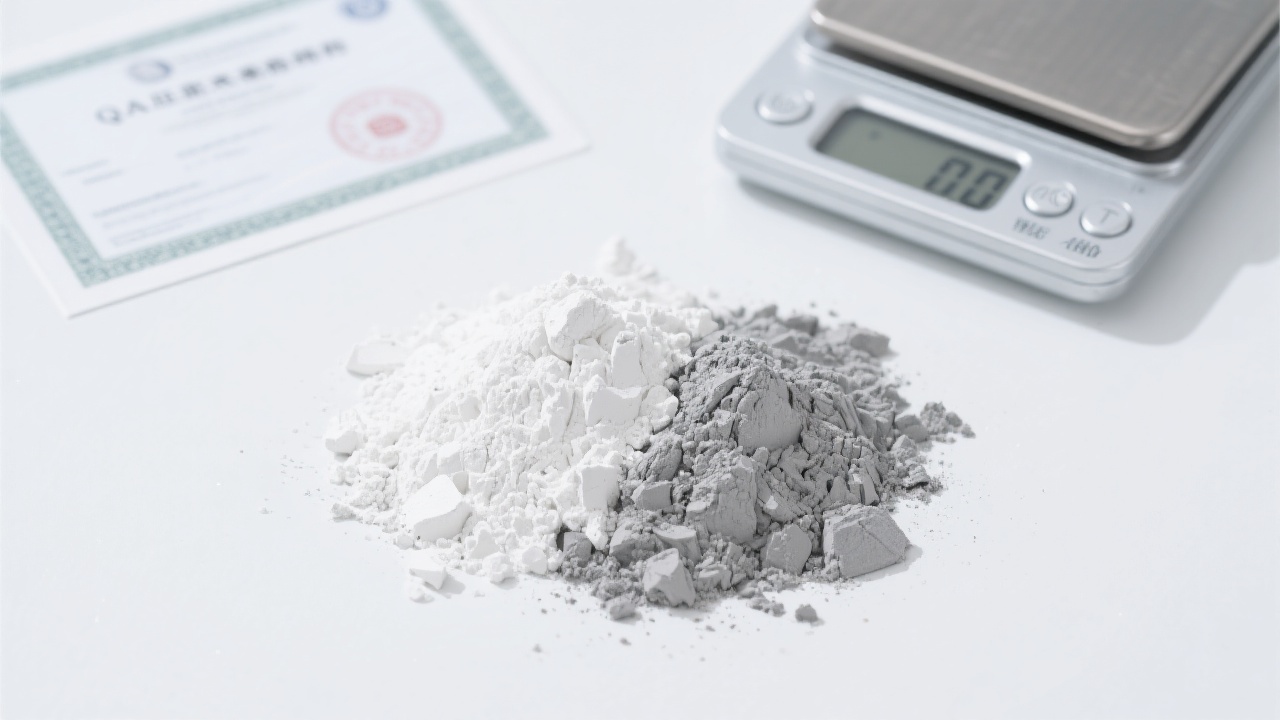
Compliance with ISO 9001 (Quality Management) and ISO 14001 (Environmental Management) further certifies manufacturing excellence and sustainability integration. These certifications reassure clients demanding not only performance but also ethical production standards.
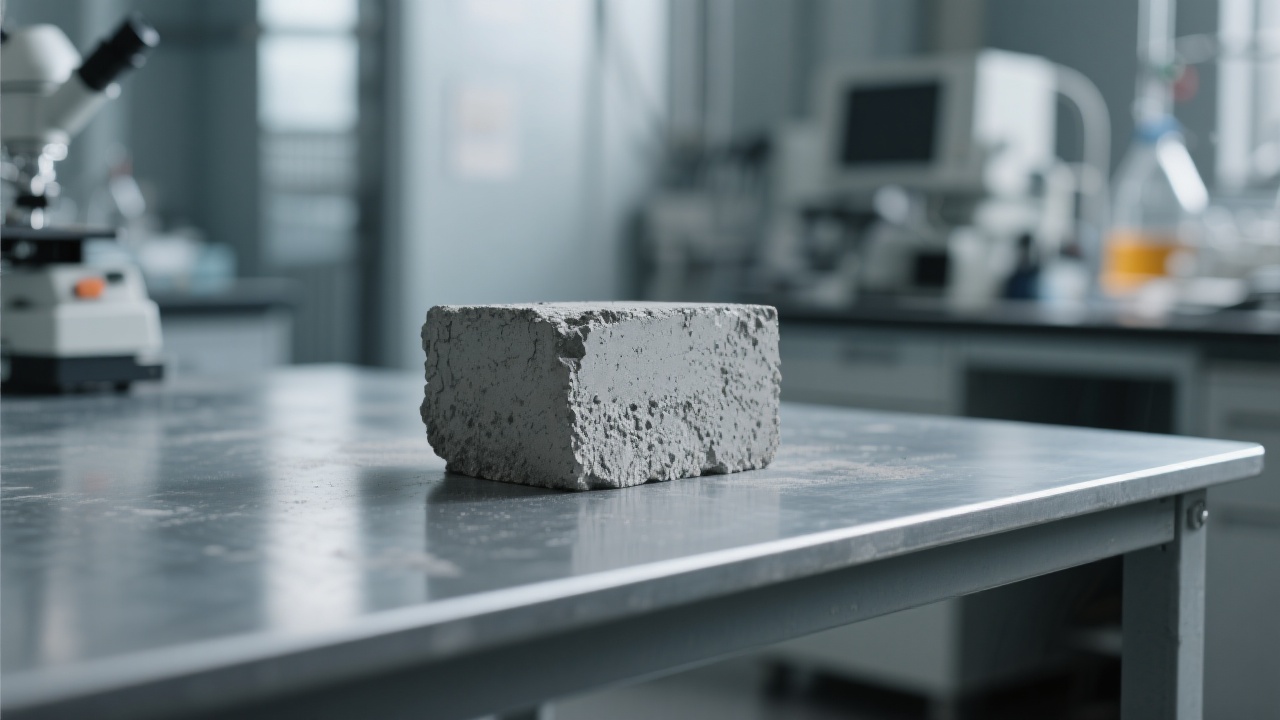
Multiple steel mills and power plants across Asia, Europe, and the Americas have adopted these refractory mortars, reporting:
The versatility is evident—custom formulations adapt seamlessly to electric arc furnaces, coke ovens, and petrochemical reactors, ensuring optimized performance tailored to each unique high-temperature scenario.
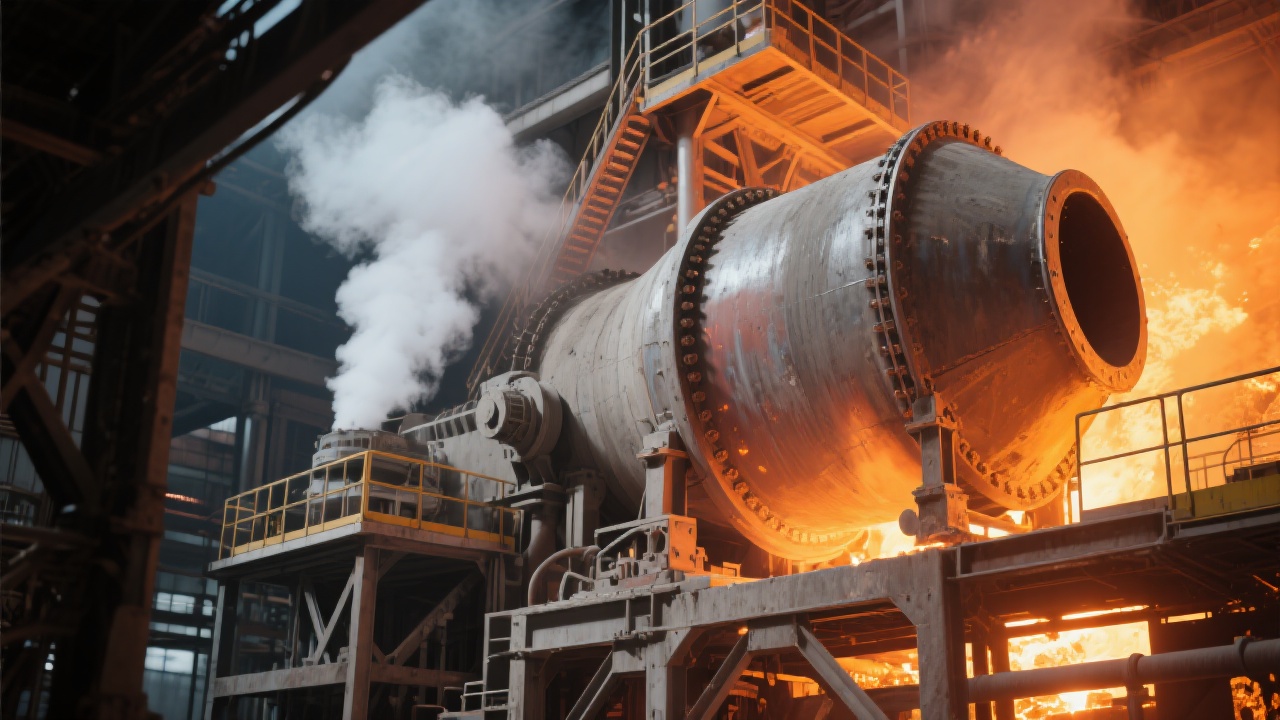
Recognizing that no two clients face identical challenges, the supplier offers tailored refractory mortar formulations. This customized approach encompasses:
This client-centric methodology underscores a commitment not only to product excellence but also to partnership and ongoing innovation.
We invite engineers, procurement specialists, and industry researchers to share their questions or experiences with refractory materials in the comments below. What challenges have you faced with extreme temperature applications?
 175
|
175
|
 magnesium-chrome bricks customized refractory materials high-temperature refractory bricks compressive strength optimization refractoriness enhancement
397
|
Direct-bonded magnesite-chrome bricks High-temperature industrial furnace refractory materials Magnesite-chrome brick selection guide Refractory material performance indicators Industrial furnace refractory brick selection
478
|
aluminum bubble brick glass furnace insulation high-temperature refractory materials industrial energy efficiency customized refractory solutions
308
|
Ceramic fiber cloth High-temperature corrosion-resistant materials Industrial thermal insulation fabrics Lightweight refractory cloth High-temperature environment solutions
269
|
Heat-resistant ceramic fiber paper Energy efficiency improvement Refractory material customization Industrial energy-saving materials Zhengzhou Rongsheng
magnesium-chrome bricks customized refractory materials high-temperature refractory bricks compressive strength optimization refractoriness enhancement
397
|
Direct-bonded magnesite-chrome bricks High-temperature industrial furnace refractory materials Magnesite-chrome brick selection guide Refractory material performance indicators Industrial furnace refractory brick selection
478
|
aluminum bubble brick glass furnace insulation high-temperature refractory materials industrial energy efficiency customized refractory solutions
308
|
Ceramic fiber cloth High-temperature corrosion-resistant materials Industrial thermal insulation fabrics Lightweight refractory cloth High-temperature environment solutions
269
|
Heat-resistant ceramic fiber paper Energy efficiency improvement Refractory material customization Industrial energy-saving materials Zhengzhou Rongsheng