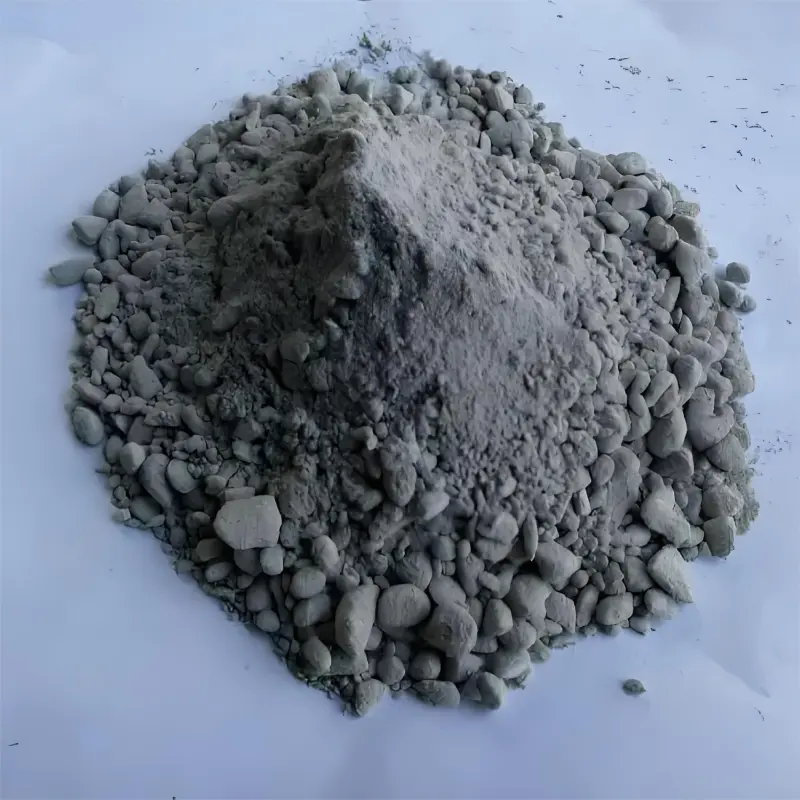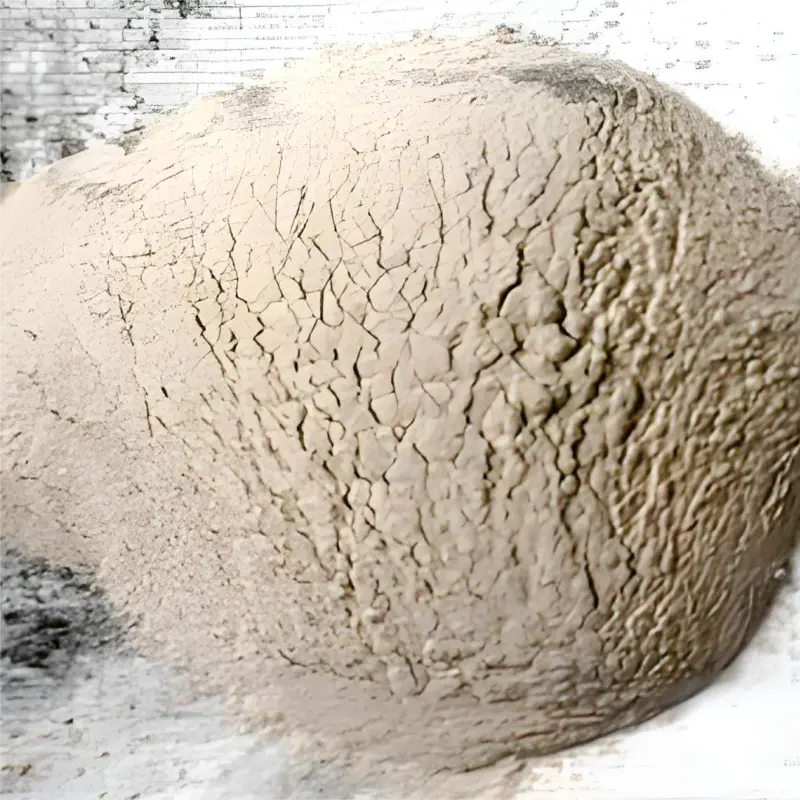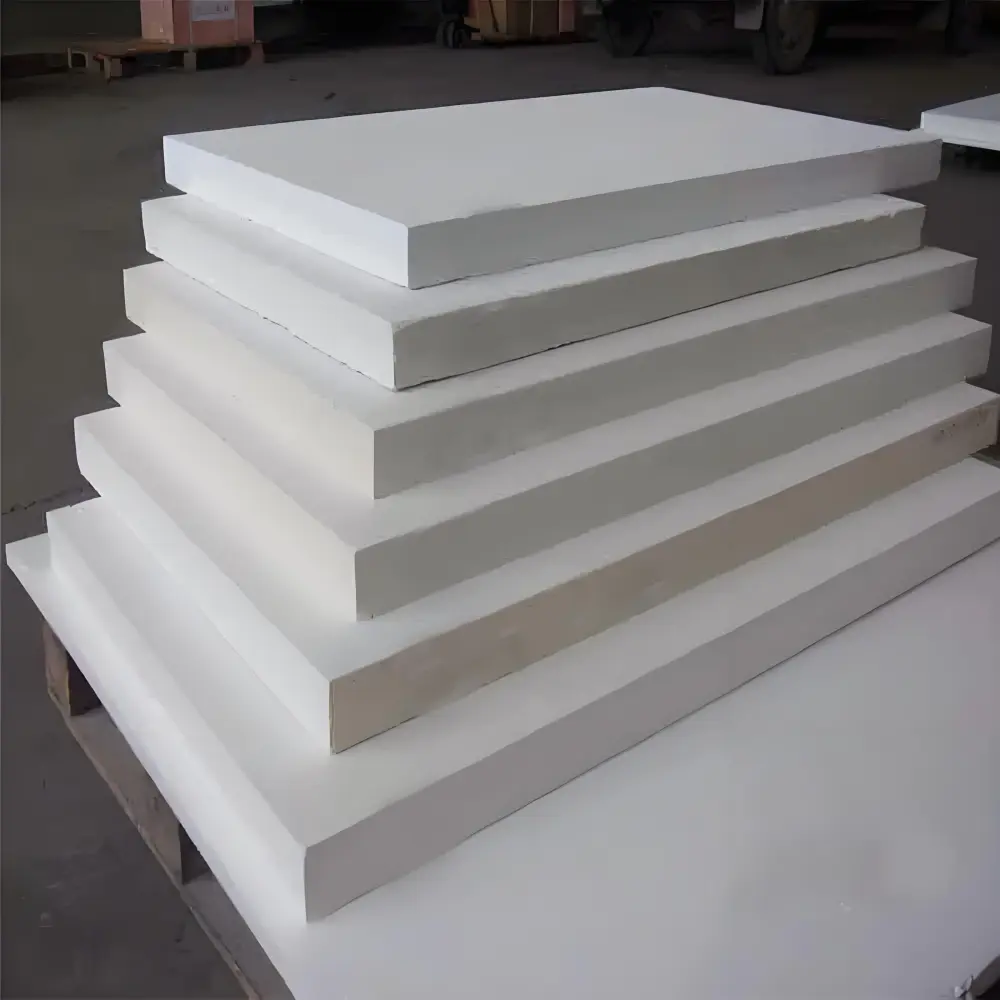
In industrial high-temperature environments, challenges such as high energy consumption, short equipment lifespan, and low thermal efficiency are common pain points. These issues not only increase production costs but also limit the overall efficiency of industrial operations. How can we effectively address these problems? The answer lies in the remarkable properties of ceramic fiber boards.
Ceramic fiber boards are manufactured using advanced processes. Their main components are alumina and silica. This unique composition endows them with excellent high - temperature resistance. The ceramic fiber boards can withstand temperatures up to 1430°C. At 1000°C, the thermal conductivity coefficient is only 0.19 W/m·K. 'Thermal conductivity: 0.19 W/m·K' This low thermal conductivity is a key factor in their high - performance thermal management.
Let's take a look at the manufacturing process. Through a series of complex procedures, the raw materials are transformed into a fibrous structure with a large number of tiny pores. These pores effectively slow down the heat transfer process, resulting in a low thermal conductivity.

When compared with traditional insulation materials like asbestos and rock wool, ceramic fiber boards have significant advantages. Traditional materials often have higher thermal conductivity, which means more heat is lost during the operation of high - temperature equipment. For example, some traditional materials may have a thermal conductivity of 0.3 - 0.5 W/m·K at 1000°C, much higher than that of ceramic fiber boards.
The low thermal conductivity of ceramic fiber boards leads to substantial energy - saving benefits. In industrial kilns, reducing heat loss means less energy is required to maintain the desired temperature. This not only cuts down on energy costs but also contributes to a more sustainable production process. Moreover, the high thermal stability of ceramic fiber boards ensures that they can maintain their performance even under long - term high - temperature conditions, while traditional materials may degrade or lose their insulation properties over time.
We understand that different industrial kilns have different structural requirements. That's why we offer customized services for ceramic fiber boards. Whether it's the size, thickness, or shape, we can tailor the products to meet the specific needs of different kilns. 'Custom size and thickness to meet diverse needs' This flexibility makes the ceramic fiber boards more practical and adaptable in various industrial applications.
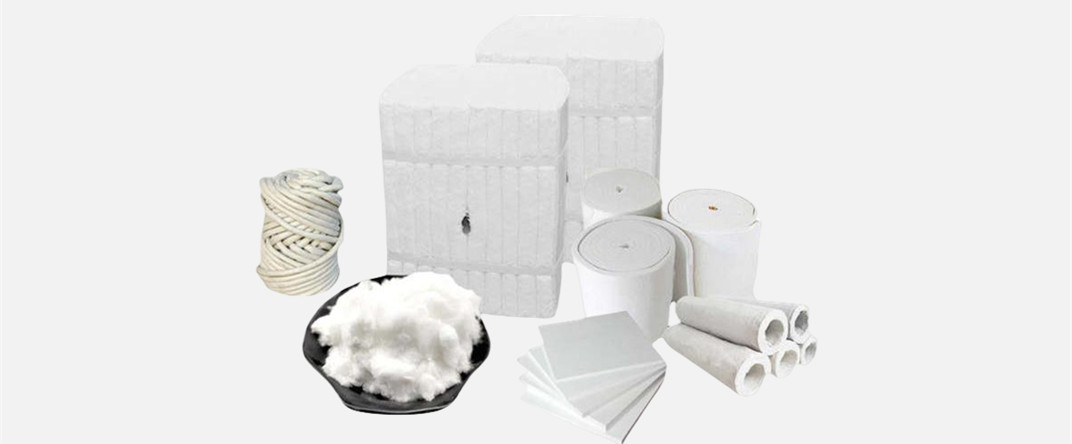
Our ceramic fiber boards have obtained international certifications such as ISO9001 and CE. These certifications are a testament to the high quality and reliability of our products. In addition, we have served over 2000 customers in more than 70 countries. 'Already served over 2000 customers in 70+ countries'
Let's take a real - world customer case. A large - scale industrial kiln manufacturer was facing high energy consumption and frequent equipment failures. After replacing the traditional insulation materials with our ceramic fiber boards, they were able to reduce energy consumption by 20% and extend the equipment lifespan by 30%. This case clearly demonstrates the effectiveness of ceramic fiber boards in solving industrial high - temperature problems.
Ceramic fiber boards, as a high - performance high - temperature insulation material, play a crucial role in improving the efficiency of industrial high - temperature equipment. Their low thermal conductivity and high thermal stability help to reduce heat loss, save energy, and extend the service life of equipment. Whether it's for new equipment installation or old equipment retrofit, ceramic fiber boards are an ideal choice.

Discover how ceramic fiber boards can transform your industrial high - temperature equipment!