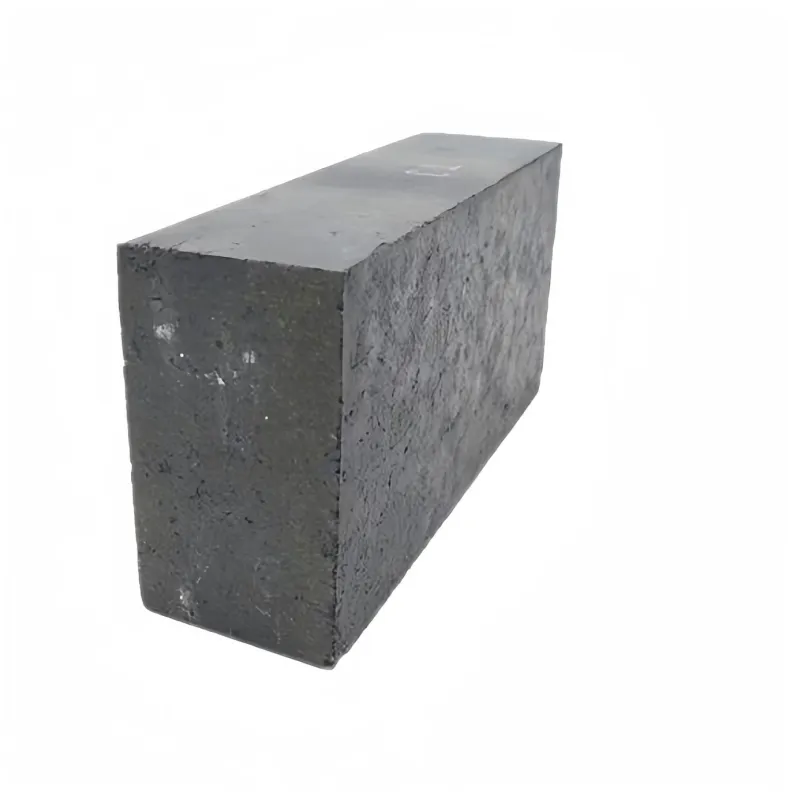
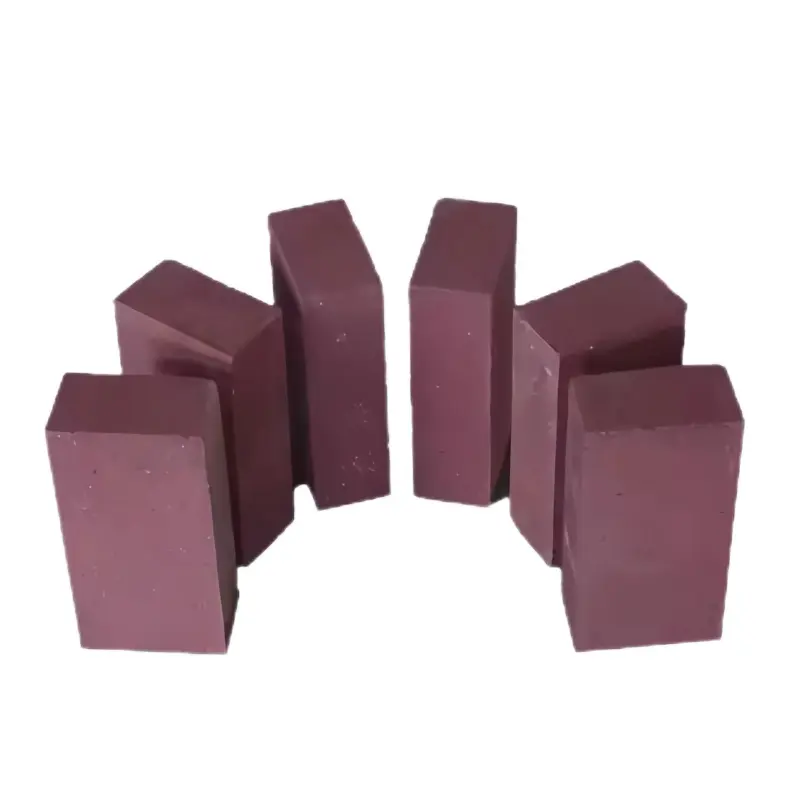
In high-temperature industrial environments such as metallurgy and chemical processing, the selection of insulation materials is paramount to ensuring both operational safety and energy efficiency. Zhengzhou Rongsheng Refractory Co., Ltd. introduces an advanced ceramic fiber blanket crafted from premium aluminum silicate fibers, offering exceptional thermal insulation, remarkable thermal stability, and an ultra-low thermal conductivity. This solution distinctly addresses the insulation difficulties posed by extreme heat while meeting stringent international quality standards.
Industrial operations often expose equipment to sustained temperatures exceeding 1200°C (2192°F), resulting in significant thermal losses and safety hazards. Conventional insulation materials tend to degrade quickly or fail to contain heat efficiently, driving up fuel consumption and maintenance costs. The performance of thermal insulation influences not only energy budgets but also the longevity and safety of industrial assets.
Key challenges include:
Rongsheng’s ceramic fiber blankets are engineered to conquer the above challenges with a focus on these core advantages:
Many sectors have leveraged Rongsheng’s ceramic fiber blankets to mitigate thermal inefficiencies and reinforce equipment safety. Some highlighted case examples include:
| Industry | Application | Benefit |
|---|---|---|
| Metallurgy | Furnace lining insulation | Reduced heat loss by approx. 15%, boosting energy savings |
| Chemical Processing | Reactor thermal shielding | Improved safety through stable insulation at high thermal shocks |
| Power Generation | Boiler insulation blankets | Enhanced operational efficiency with lower fuel consumption |
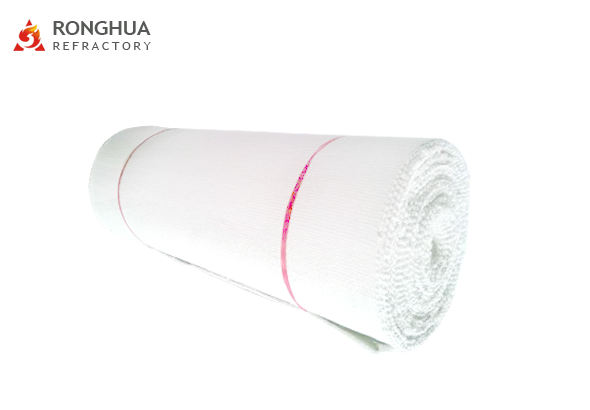
Testing and field data reveal noteworthy improvements:
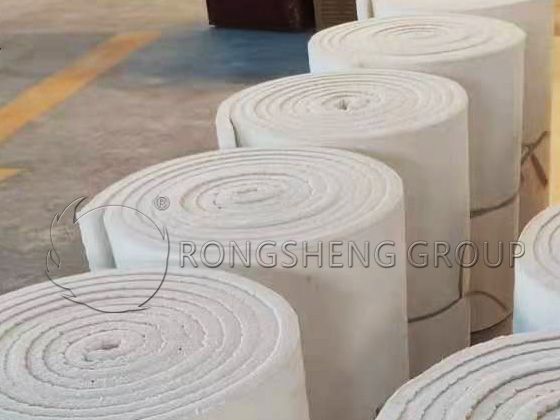
Each roll of Rongsheng ceramic fiber blanket undergoes stringent quality control to comply with national and international inspections. This commitment ensures that users receive not only the highest performing material but also the safest solution to meet industrial challenges.
Zhengzhou Rongsheng Refractory thrives on providing tailored insulation solutions. Clients can specify dimensions, thickness, and density per their industrial design requirements, receiving expert guidance on selection and installation practices from their technical team.
Interactive consultations are available to determine the optimal material specification, contributing to reduced energy costs and prolonged equipment lifespan.
 156
|
156
|
 Ceramic fiber chopped cotton High-temperature refractory materials Kiln energy-saving materials Zhengzhou Rongsheng Refractory Materials High-temperature industrial energy conservation
176
|
High - alumina clay checker bricks Refractory material performance analysis Energy - saving solutions for industrial kilns Checker brick application cases High - temperature refractory technology
326
|
calcined anthracite carbon additive high purity carbon additive steelmaking carbon additive refractory carbon additive customization steel production materials
494
|
Rongsheng high-alumina bricks high-temperature industry solutions thermal shock resistance wear resistance international certification steel enterprise equipment replacement frequency
113
|
high-alumina anchor refractory bricks industrial furnace refractory materials refractory brick customization services
Ceramic fiber chopped cotton High-temperature refractory materials Kiln energy-saving materials Zhengzhou Rongsheng Refractory Materials High-temperature industrial energy conservation
176
|
High - alumina clay checker bricks Refractory material performance analysis Energy - saving solutions for industrial kilns Checker brick application cases High - temperature refractory technology
326
|
calcined anthracite carbon additive high purity carbon additive steelmaking carbon additive refractory carbon additive customization steel production materials
494
|
Rongsheng high-alumina bricks high-temperature industry solutions thermal shock resistance wear resistance international certification steel enterprise equipment replacement frequency
113
|
high-alumina anchor refractory bricks industrial furnace refractory materials refractory brick customization services