Export Compliance Guide for CA50–CA80 Refractory Cement: Global Standards, Certifications and Market Access
Rongsheng Refractory
2026-03-22
Technical knowledge
New to B2B exporting and unsure how to read technical standards in your target market? This practical guide helps you quickly map the compliance requirements for CA50–CA80 refractory cement across major regions, so you can avoid costly mistakes and build buyer confidence. You’ll learn how ISO systems and CE-related expectations influence real-world competitiveness, why alumina purity (with CA80 as a benchmark) translates into measurable high-temperature performance, and how the right documents—test reports, safety data, and traceable production records—can accelerate RFQs into purchase orders. With application snapshots from metallurgy, glass, and ceramics, you’ll be able to check whether your product truly meets market-entry rules—so every shipment feels safer and your brand earns global trust. Brought to you by Rongsheng Refractory, helping you start from compliance and win worldwide confidence.
You’re New to B2B Export? Here’s How You Quickly Understand Technical Standards & Compliance (Using CA50–CA80 Refractory Cement)
If you’ve ever felt that “standards” and “certifications” are a maze designed to slow you down—good news: you don’t need to become a full-time compliance engineer. You just need a repeatable way to read your target market’s rules, translate them into product requirements, and present proof in a way global buyers trust.
In this guide, you’ll use CA50, CA60, CA70, and CA80 (calcium aluminate refractory cement) as a real-world example to spot export “red zones,” explain performance with confidence, and make “every shipment feel safer”—for you and your customer.
1) Start With One Practical Question: “What Will This Material Touch?”
In refractory materials, compliance is rarely “one global rule.” It’s tied to use conditions and industry risk. Before you chase certificates, ask what your customer’s refractory cement will touch:
Quick mapping (use this in your first inquiry call/email)
Construction method: castable, gunning, patch repair, anchoring system
Site constraints: curing time, installation temperature, downtime window
Why this matters: technical standards typically connect to declared performance (strength, refractoriness, chemical resistance) and documented evidence (test reports, QC, traceability).
2) Understand the “Standards Stack”: ISO vs CE vs Customer Specs
New exporters often mix these up. Think in layers—this helps you respond to buyers cleanly and avoid overpromising.
Layer A — Management credibility (ISO)
ISO 9001 (quality management) doesn’t certify the product itself—but it signals stable processes: incoming inspection, batch control, corrective actions, and traceability. For many industrial buyers, ISO 9001 can reduce supplier risk and speed up qualification.
Layer B — Market access signals (CE in Europe, where applicable)
CE is not a “quality badge.” It’s a legal marking for specific product categories under EU directives/regulations. In refractory supply chains, buyers may ask for CE-related documentation depending on how the material is classified and used in construction/industrial systems. Your safest move: clarify the intended use and provide declaration + supporting test evidence when relevant.
Layer C — Buyer engineering specs (the real gatekeeper)
Many deals are won or lost on customer specifications: alumina content range, CaO content, setting time, cold crushing strength, bulk density, and performance under thermal cycling. This is where CA50–CA80 grade selection becomes your strongest “technical sales” tool.
If you remember one line: ISO builds trust, CE can affect access, but customer specs close the order. That’s how you move from “compliance fear” to professional confidence.
3) CA50 to CA80: How to Explain Grades Without Over-Technical Talk
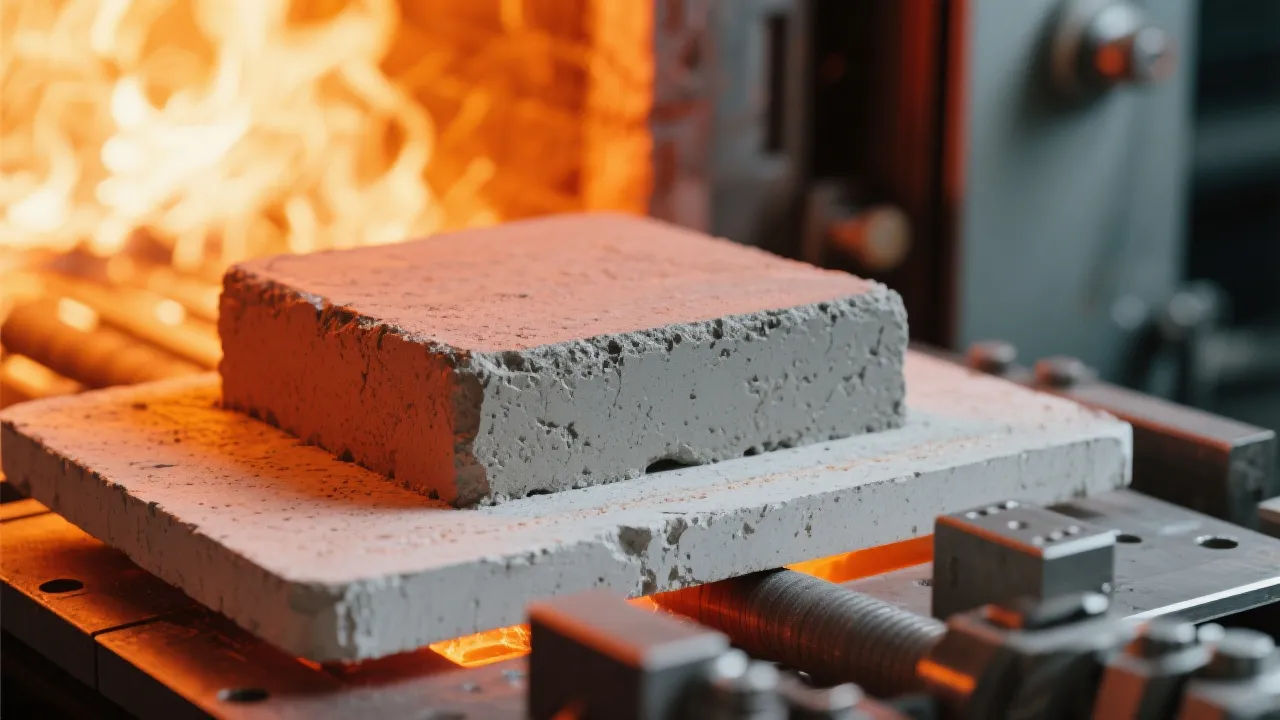
Overseas buyers don’t just buy “refractory cement.” They buy risk reduction: fewer unplanned shutdowns, less spalling, longer lining life. You can link grade choice to outcomes with one clear logic: higher alumina generally supports higher refractoriness and stronger high-temperature performance—when formulation and installation are correct.
Suggested infographic for your website / sales deck
Chart: “Refractoriness vs. Alumina Content (CA50 → CA80)”
X-axis: Al2O3 content (approx. 50% → 80%)
Y-axis: indicative refractoriness / service temperature range (show as bands, not a single line)
4) How Technical Regulations Differ by Country (What You Should Check First)
You don’t need to memorize every regulation. You need a priority checklist that works across markets. For refractory cement exports, your fastest wins usually come from clarifying these items early:
Fast compliance checklist (copy/paste into your SOP)
HS code + import controls: confirm if the destination requires special declarations for cementitious materials.
Safety documents: prepare an up-to-date SDS (Safety Data Sheet) in the buyer’s language if requested.
Quality evidence: provide COA (chemical composition) + key test reports (e.g., setting time, strength indicators) aligned to buyer spec.
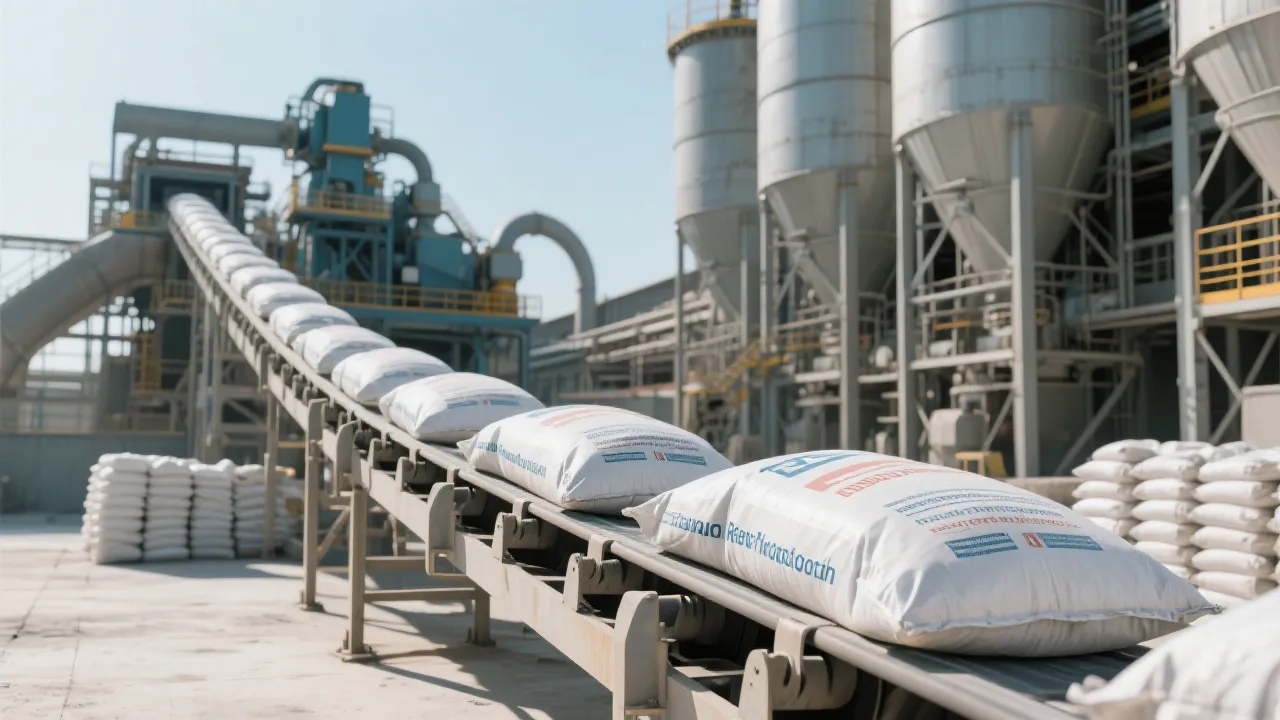
Packaging & labeling: net weight tolerance, batch/lot number, production date, moisture-proof measures.
Local project standards: ask if the refractory is for a government project, EPC contractor, or a plant with internal approved vendor list.
This is exactly how you avoid the classic export trap: shipping the “right product” but losing payment time or repeat business because documentation wasn’t aligned. From compliance, you earn global trust.
5) Real-World Conversion Booster: Compliance as a Sales Argument (Not a Burden)
Picture this: a buyer sends you a short message—“Need CA70 or CA80 for high-temp repair, urgent.” If you reply only with a quotation, you compete on price and lead time. If you reply with compliance-ready proof, you compete on reliability.
A simple “trust bundle” that increases reply rate
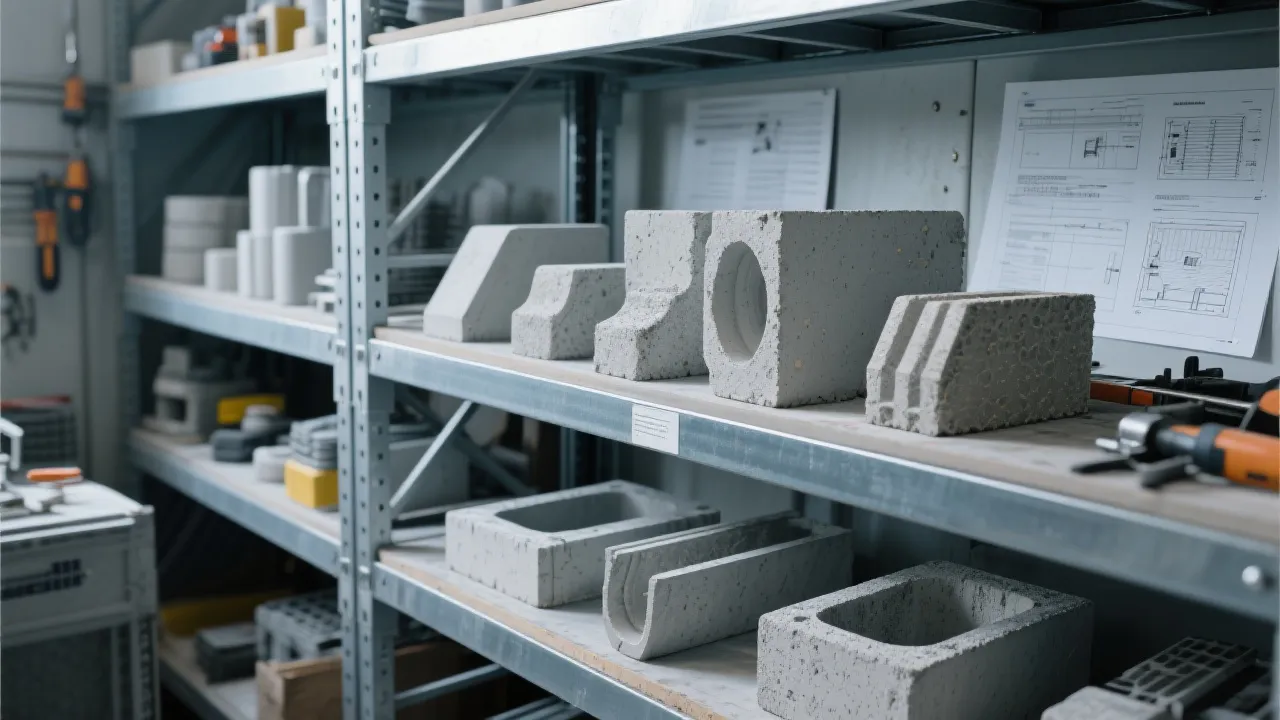
One-page product sheet for CA50/CA60/CA70/CA80 (use-case oriented)
Batch-based COA + typical test data overview (clearly labeled “typical” vs “batch”)
A short technical note: “grade selection by service condition”
This is how you help the buyer justify you internally—especially when procurement must report supplier risk.
When you do this consistently, you’ll notice a shift: fewer back-and-forth emails, fewer misunderstandings, and smoother approvals. That’s the practical meaning of “make every export shipment more reassuring”.
6) Applications That Help Buyers Self-Identify (Steel, Glass, Ceramics & More)
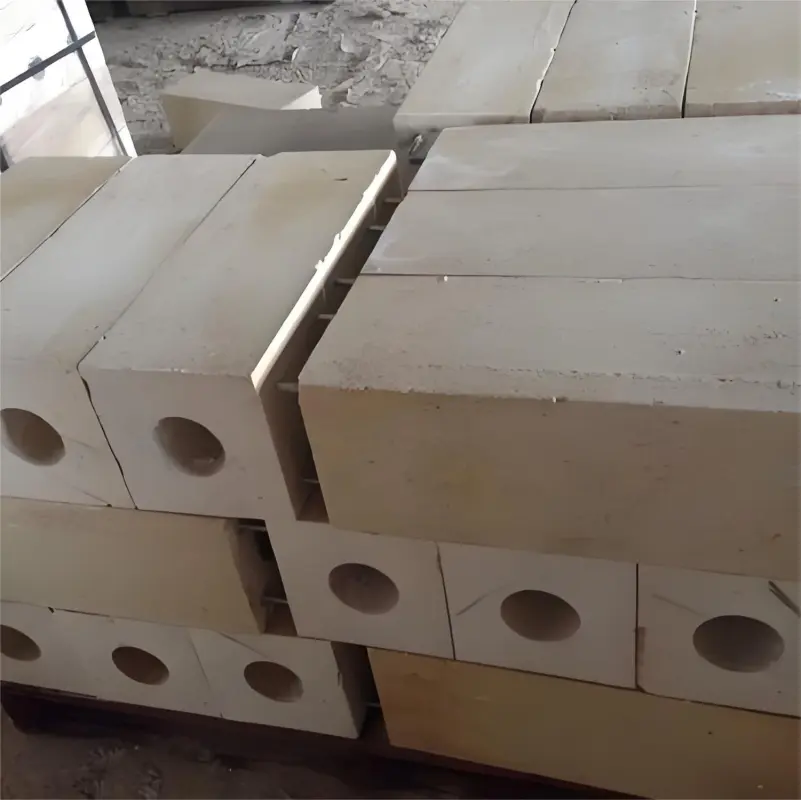
Buyers often decide faster when they see their scenario reflected. For calcium aluminate refractory cement (CA series), common application directions include:
Metallurgy
Ladle/tundish-related castables, hot repair zones, areas exposed to rapid thermal cycling and mechanical wear (final formulation decides performance).
Glass
Furnace maintenance and high-temperature patching where stability and controlled setting behavior matter for quick turnaround.
Ceramics & kilns
Kiln furniture or refractory linings requiring consistent bonding and high-temperature strength support in castable systems.
If you’re representing Rongsheng Refractory, your strongest positioning is not “we sell CA cement,” but “we help you pick the right CA grade and documentation set so your project passes approvals and performs on-site.”
Quick Self-Check (Answer This Before You Quote)
Use these questions to guide your next buyer conversation—and to make your offer easier to approve.
Interactive question:Which international certifications have your products already passed (or do your customers request most)?
What is the service temperature range and thermal cycling frequency?
Do you need CA50/CA60 for general refractory castables, or CA70/CA80 for more demanding zones?
Do you require batch COA, third-party testing, or supplier audits?
CTA: Start From Compliance, Win Global Trust
If you want faster approvals and fewer “technical back-and-forth” emails, align your grade selection (CA50–CA80), documents (COA/SDS/test reports), and target-market requirements from day one. That’s how you make every export shipment feel more reassuring.