Packaging That Survives Transit
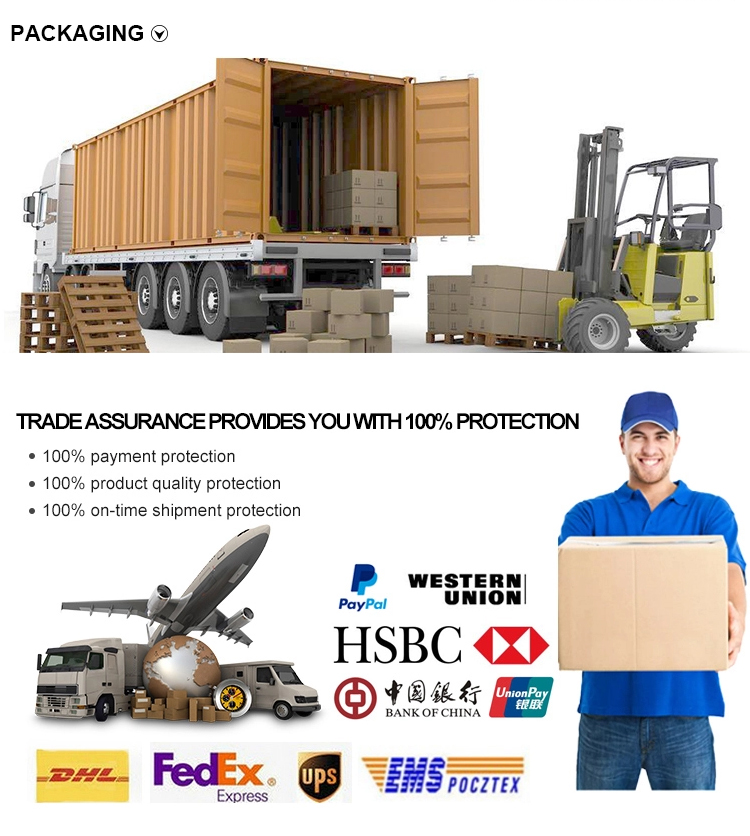
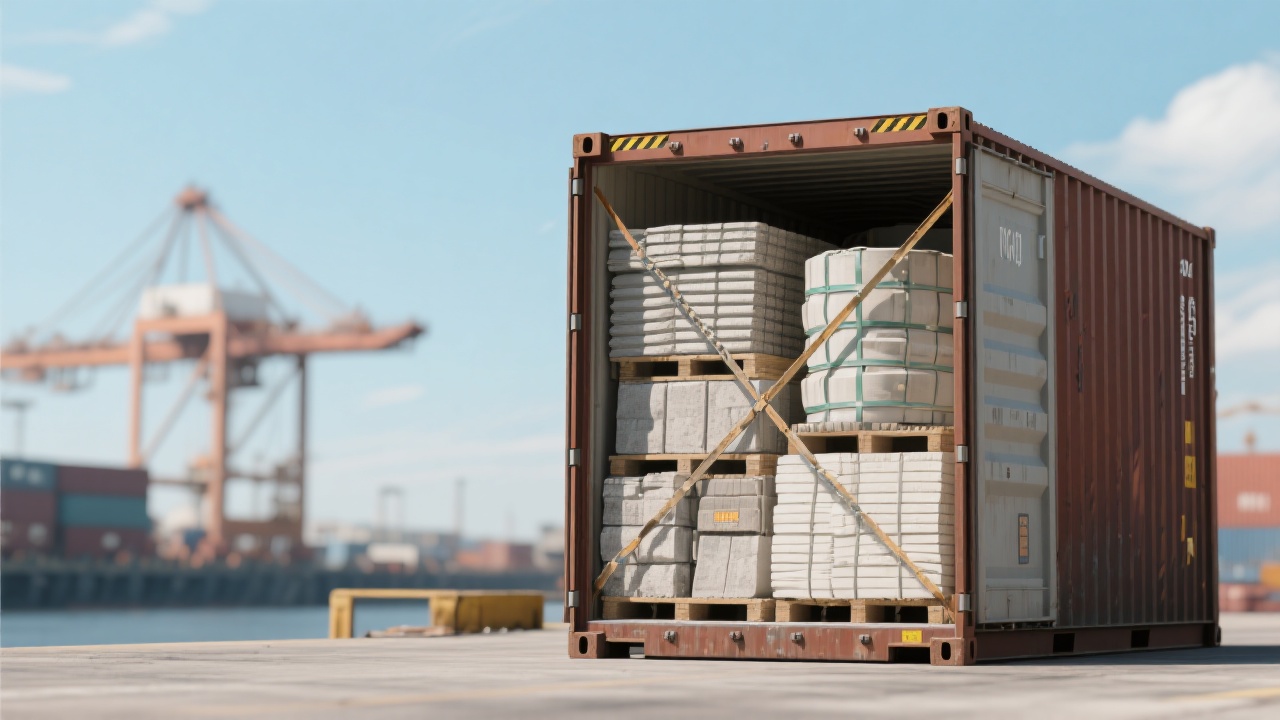
Typical export packing uses multi-layer bags, palletization, corner protection, and stretch film. For humid routes, liners and desiccants may be used to reduce caking risk.

In global refractory procurement, trust is rarely built by promises—it is built by process. When a buyer sources Al2O3-SiC-C castable for a blast furnace, the real question is not only “Can you make it?” but also “Can you deliver it safely, compliantly, and on schedule?” This guide maps the complete foreign trade B2B export process—from first inquiry to logistics handover—using practical steps, realistic timelines, and decision points that matter to steel plants, EPC contractors, and refractory distributors.
Positioning note: With 20 years focused on high-temperature industrial materials and serving 2,000+ customers worldwide, suppliers like Zhengzhou Rongsheng typically combine “customized solution + standardized process = worry-free delivery” to reduce procurement risk for first orders and repeat contracts.
In B2B refractory trade, the export process is a chain of operational controls: inquiry qualification, technical confirmation, contract and compliance, production planning, quality release, shipping documentation, and import clearance support. Each link affects downtime risk, total landed cost, and claim probability.
For blast furnace castables, delays or spec mismatches are expensive. In many steel plants, a short interruption can quickly translate into operational loss. That’s why mature buyers evaluate not only product data sheets, but also the supplier’s export discipline.
Step 1: Inquiry → RFQ Clarification
0–3 days (fast if specs are complete)
Step 2: Quote → Negotiation
2–7 days (Incoterms, tests, packaging)
Step 3: Contract → Deposit/LC Setup
2–10 days (varies by bank process)
Step 4: Production + QC Release
10–25 days (batch size dependent)
Step 5: Booking → Export Docs
3–7 days (peak season may extend)
Step 6: Ocean Transit + Import Clearance
15–45 days (route dependent)
Reference ranges for industrial bulk cargo under normal conditions. Actual schedule depends on port congestion, container availability, inspection requirements, and destination customs.
A serious supplier will not rush into a price. They will first validate whether the application is truly blast furnace trough / runner / iron notch or other high-erosion zones, and whether the buyer needs Al2O3-SiC-C castable with specific anti-oxidation behavior. Typical RFQ questions include:
In mature B2B trade, the quote is a package: spec + standard + test plan + delivery term. For refractories, most disputes come from “assumed requirements” not written in the offer. A strong quotation typically clarifies:
Negotiation in industrial materials is rarely about “discount.” It is often about risk allocation: lead time buffer, replacement policy, and what happens if a lab result is borderline. Experienced exporters propose a PI that locks in technical annexes and makes the transaction auditable.
Most refractory export contracts use a balance of efficiency and safety. Common structures include T/T with deposit + balance before shipment, or Letter of Credit for larger or first-time orders. The key is not the method itself—it’s whether the documentation matches exactly what banks and customs will accept.
A practical benchmark: for first orders, many industrial buyers request batch COA and pre-shipment photos/video. For repeat orders, the focus shifts to stable lead time and spec consistency.
In Zhengzhou Rongsheng’s day-to-day experience, adding compliance items early (like ISO system references or destination-required labeling) reduces back-and-forth later. Buyers who share their import requirements upfront often cut the total cycle by 3–7 days.
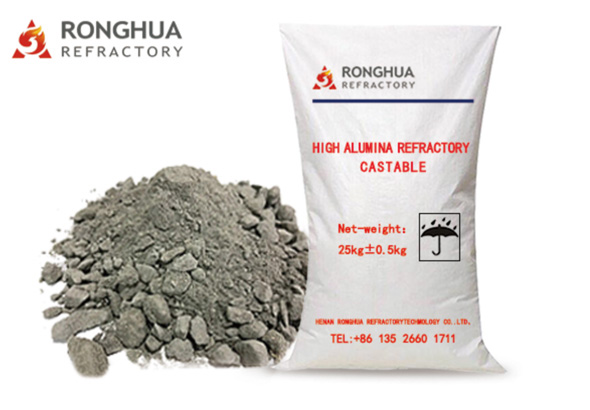
Al2O3-SiC-C castables are performance-driven. Raw material consistency, mixing control, and moisture management affect installation behavior and final durability. Good exporters standardize:
In many steel groups, the COA is used internally to approve incoming materials. A usable COA should be batch-linked, readable, and aligned with the technical annex. Typical items include chemical composition ranges and key physical properties relevant to castables.
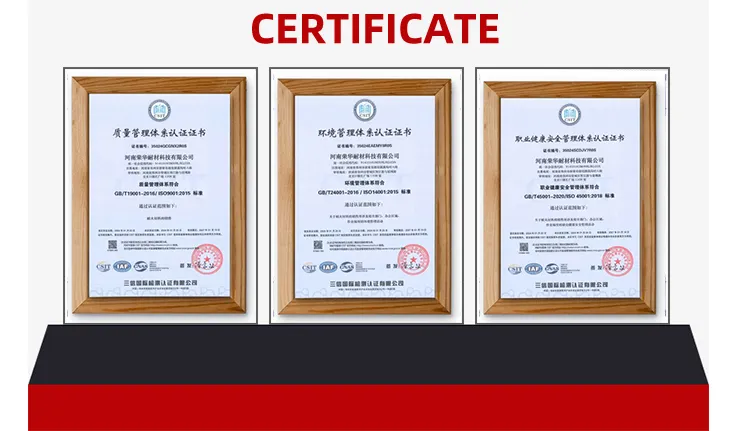
Certifications do not replace technical evaluation, but they reduce supplier screening time. For example, an ISO-based management system helps buyers trust the repeatability of production. For certain markets or projects, CE-related declarations may be requested depending on the application and local rules. In practice, reputable suppliers prepare a clean documentation pack that can be reused across shipments.
Refractory castables are heavy, moisture-sensitive, and often shipped in mixed lots. Logistics is where “good product” can become “bad arrival” if packaging and container loading are not controlled.
Typical export packing uses multi-layer bags, palletization, corner protection, and stretch film. For humid routes, liners and desiccants may be used to reduce caking risk.
Containerized ocean freight is most common. The Incoterm defines who controls booking, insurance, and risk transfer—critical for first-time importers.
Packing list accuracy, correct HS code alignment where applicable, marking, and document consistency reduce the chance of customs delay.
Import clearance is smoother when the exporter provides a complete, consistent set of documents. While requirements vary by country, most B2B shipments of refractory materials rely on:
One recurring best practice: the exporter sends draft documents before final issuance. This prevents small inconsistencies—like consignee naming, address formatting, or unit mismatch—from turning into demurrage and storage fees at destination.
A typical story is not dramatic—it’s operational. A European steel plant’s maintenance team needed an Al2O3-SiC-C castable trial for a high-wear zone. The buyer was technically competent but new to importing refractories from Asia. What made the first shipment successful was not a “perfect” process, but a transparent one.
The supplier asked for installation method, curing constraints, and the plant’s internal acceptance metrics. After aligning the technical annex, they agreed on a trial lot with defined QC items and a document review step before shipment. We have seen this pattern repeatedly: when both sides treat the first order as a process validation, the second order becomes significantly faster—often cutting confirmation time by 30–50% because the checklist is already built.
The quiet win: fewer emails, fewer assumptions, faster clearance, and a receiving team that knows exactly what to verify on arrival.
Fix: attach a technical annex to PI/contract; reference test standards and acceptance method.
Fix: moisture-proof packing, container loading discipline, and route-aware protection measures.
Fix: draft document confirmation before final issuance; consistent consignee details and weights.
If your priority is stable quality, clear documentation, and predictable delivery, choose a partner built for industrial-grade execution. Customized solution + standardized process = worry-free delivery.
Request a Technical Datasheet & Export Checklist for Al2O3-SiC-C CastableTypical response includes recommended grade selection, packing option, lead time window, and a document list aligned with your destination.
You’ve seen the full chain from inquiry to clearance. Now a simple question to pinpoint what would improve your next shipment:
What common problems have you met during the export process—quotation clarity, QC acceptance, packaging, shipping schedule, or customs documents?
Share your destination country and preferred Incoterm, and the best practice checklist becomes much more specific.
 294
|
294
|
 automated refractory production high-performance refractory mortar thermal shock resistant materials smart factory in refractory industry ISO certified refractory solutions
433
|
custom ceramic fiber board size industrial kiln insulation material high temperature ceramic fiber board refractory fiber board application ceramic fiber board thickness customization
54
|
Ceramic fiber chopped cotton High - temperature refractory materials Kiln energy - saving solutions Refractory material technology Industrial energy - saving materials
222
|
refractory castables customized refractory materials industrial high - temperature applications wear - resistant and corrosion - resistant materials refractory materials technical support
335
|
low-aluminum fireclay bricks high-temperature refractory solutions customized refractory products
automated refractory production high-performance refractory mortar thermal shock resistant materials smart factory in refractory industry ISO certified refractory solutions
433
|
custom ceramic fiber board size industrial kiln insulation material high temperature ceramic fiber board refractory fiber board application ceramic fiber board thickness customization
54
|
Ceramic fiber chopped cotton High - temperature refractory materials Kiln energy - saving solutions Refractory material technology Industrial energy - saving materials
222
|
refractory castables customized refractory materials industrial high - temperature applications wear - resistant and corrosion - resistant materials refractory materials technical support
335
|
low-aluminum fireclay bricks high-temperature refractory solutions customized refractory products