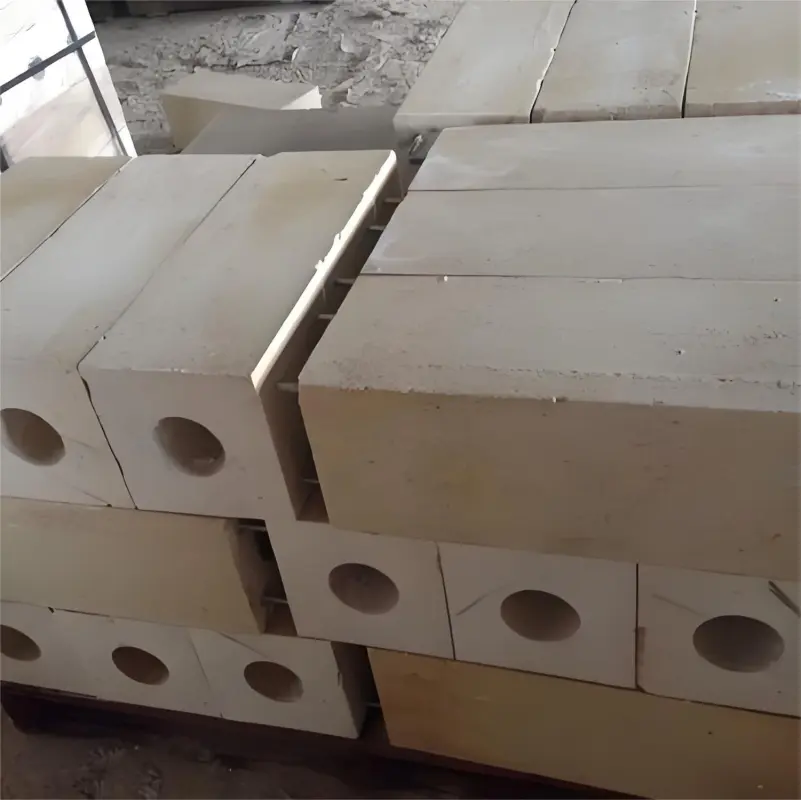
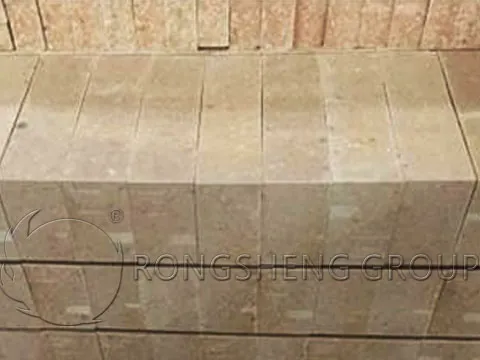
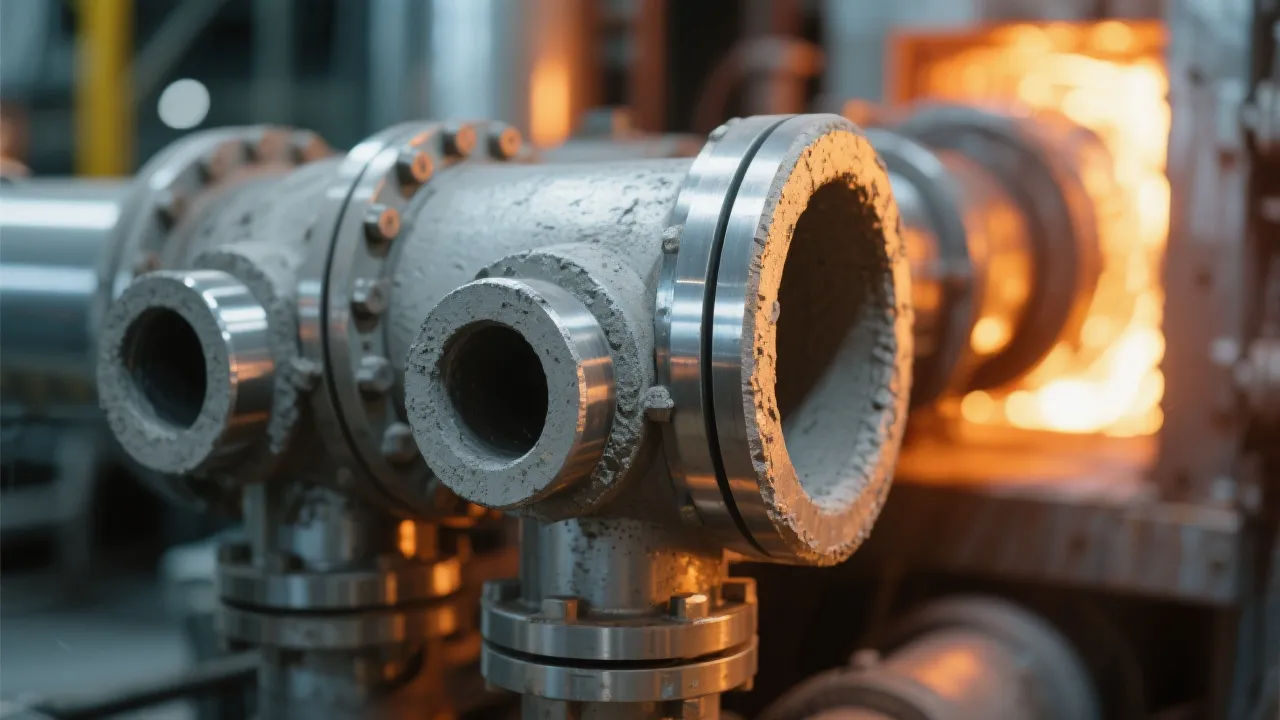
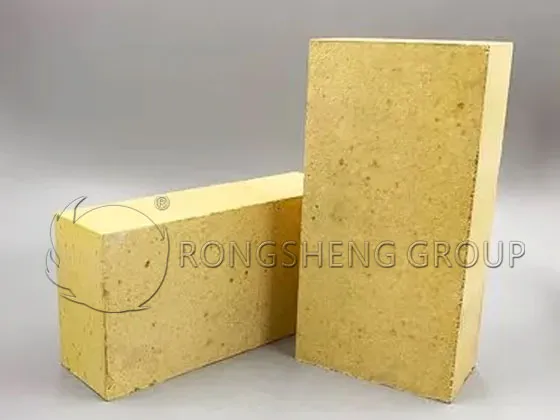
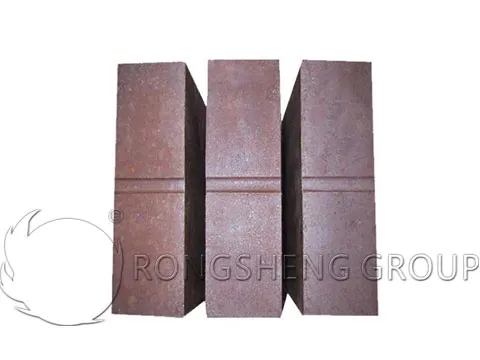
In the high - temperature industrial furnace industry, the choice of refractory materials is crucial for ensuring production efficiency and equipment stability. Zhengzhou Rongsheng Refractory Materials Co., Ltd. offers high - performance directly bonded magnesia - chrome bricks, which have attracted wide attention in the market.
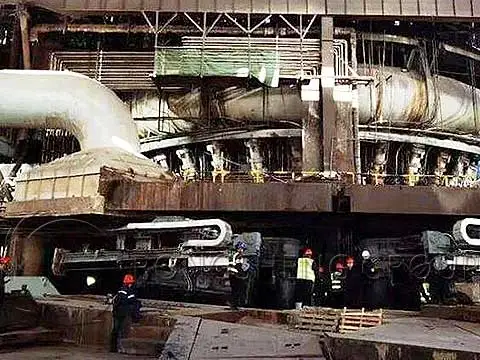
High - temperature industrial furnaces play a central role in industrial production. They are widely used in industries such as steel manufacturing and cement production. The durability and operating efficiency of these furnaces directly affect the quality and quantity of production. Directly bonded magnesia - chrome bricks are emerging as a key material to enhance the performance of high - temperature industrial furnaces.
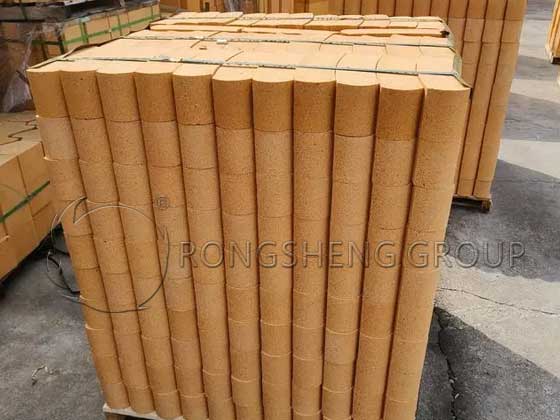
The directly bonded magnesia - chrome bricks produced by Zhengzhou Rongsheng have excellent physical and chemical properties. They have a high compressive strength, typically reaching over 50 MPa, which allows them to withstand high - pressure environments in industrial furnaces. The bricks also have a high refractoriness, with a melting point above 2000°C, ensuring their stability in extreme high - temperature conditions.
The sintering process of these bricks is also a key factor in their performance. Through advanced sintering technology, the bricks form a dense structure, which enhances their resistance to corrosion and erosion. This dense structure also contributes to their excellent thermal shock resistance and high - temperature stability.
Let's look at some real - world case studies to understand the practical applications of these bricks. In a steel manufacturing plant, after replacing traditional refractory materials with directly bonded magnesia - chrome bricks, the service life of the furnace increased by 30%. This not only reduced the frequency of furnace repairs but also increased the production efficiency by 15% due to less downtime.
In a cement production factory, the use of these bricks improved the stability of the kiln operation. The high - temperature stability of the bricks ensured a more consistent temperature in the kiln, resulting in a 10% increase in the quality of cement products. These case studies clearly demonstrate the value of directly bonded magnesia - chrome bricks in improving production efficiency and product quality.
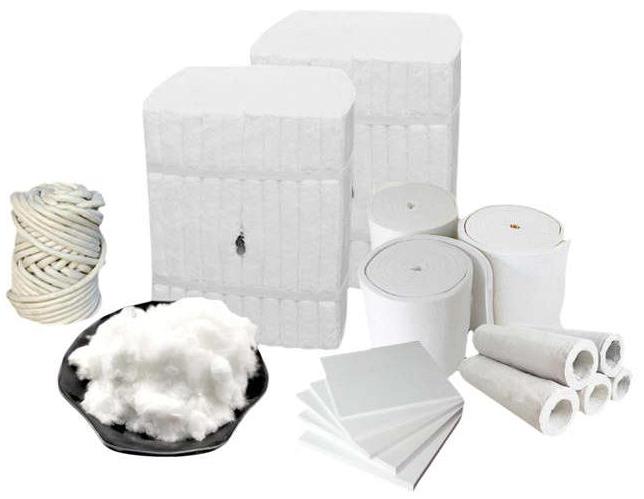
When compared with traditional refractory materials, directly bonded magnesia - chrome bricks have significant advantages. Traditional materials often have lower thermal shock resistance and high - temperature stability. For example, some traditional fireclay bricks may start to crack after 10 - 15 thermal cycles, while directly bonded magnesia - chrome bricks can withstand over 50 thermal cycles without significant damage.
The following table shows a comparison between directly bonded magnesia - chrome bricks and traditional fireclay bricks:
| Properties | Directly Bonded Magnesia - Chrome Bricks | Traditional Fireclay Bricks |
|---|---|---|
| Compressive Strength (MPa) | >50 | 20 - 30 |
| Refractoriness (°C) | >2000 | 1500 - 1700 |
| Thermal Shock Resistance (cycles) | >50 | 10 - 15 |
From the customer's perspective, the performance advantages of directly bonded magnesia - chrome bricks can help them make more scientific purchasing decisions. By choosing these bricks, customers can reduce production costs in the long run, improve product quality, and enhance their market competitiveness.
We invite you to share your thoughts and experiences with refractory materials. Do you have any questions about directly bonded magnesia - chrome bricks? Leave your comments below and let's start a discussion!
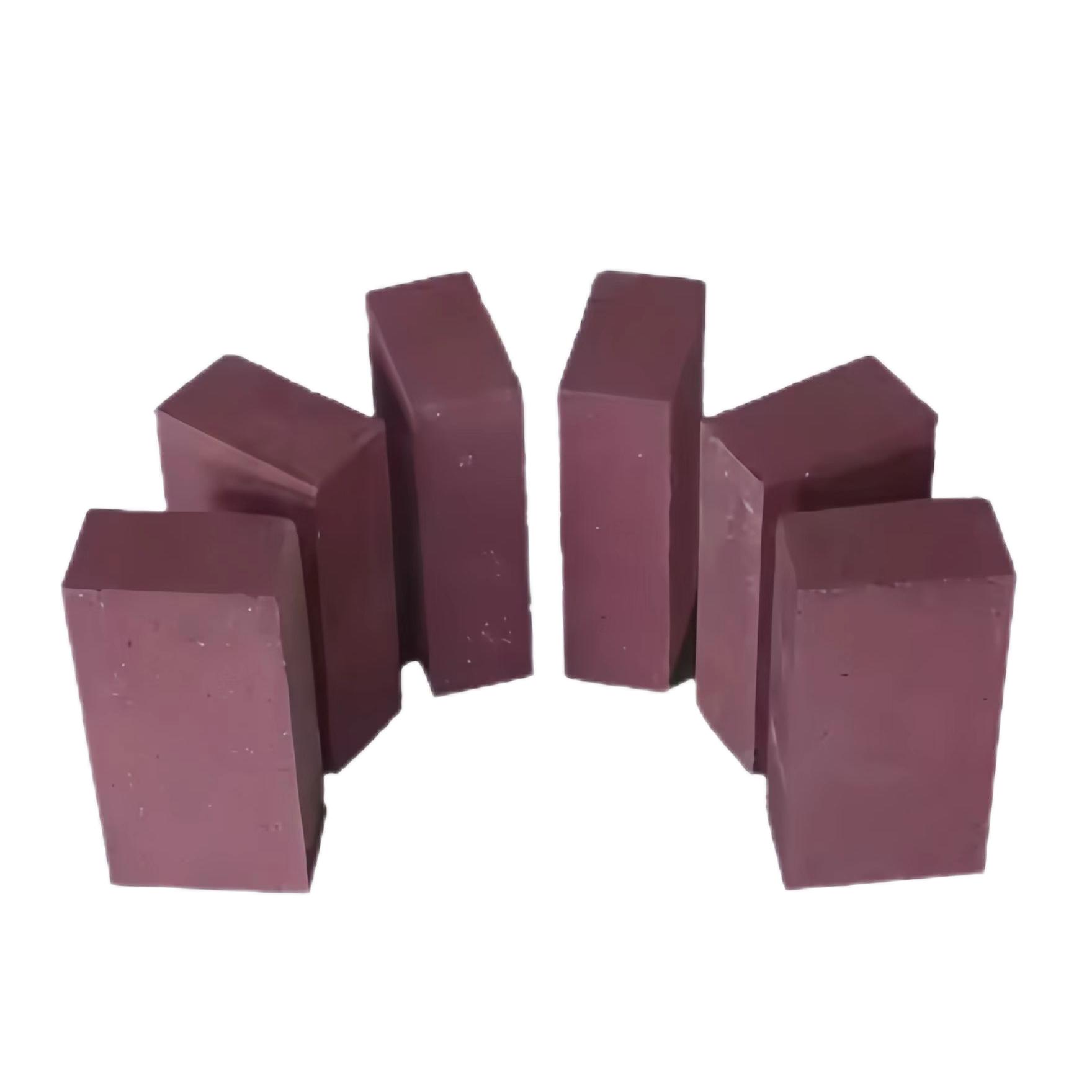
If you are looking for high - quality refractory materials to improve the performance of your high - temperature industrial furnace, Zhengzhou Rongsheng's directly bonded magnesia - chrome bricks are the ideal choice. With a proven track record in the industry and a commitment to quality, you can trust our products to meet your production needs.
Explore High - Performance Directly Bonded Magnesia - Chrome Bricks Now! 134
|
134
|
 direct-bonded magnesia-chrome brick
thermal shock resistance
glass furnace refractory
high-temperature stability
refractory lining life
446
|
silicon carbide refractory castables
high-temperature refractory materials
Zhengzhou Rongsheng refractory products
thermal stability refractory
industrial refractory solutions
195
|
High-temperature resistant ceramic fiber board
Ceramic fiber board manufacturer
Industrial kiln insulation material
High-temperature insulation board
Customizable ceramic fiber board
52
|
Customized castables
Foundry furnace refractory materials
Industrial refractory material procurement
Refractory castable performance
Rongsheng Refractory Materials
111
|
High-Temperature Magnesium Iron Spinel Refractory Brick
Customized High-Temperature Refractory Solutions
Rongsheng Refractory Purchasing
direct-bonded magnesia-chrome brick
thermal shock resistance
glass furnace refractory
high-temperature stability
refractory lining life
446
|
silicon carbide refractory castables
high-temperature refractory materials
Zhengzhou Rongsheng refractory products
thermal stability refractory
industrial refractory solutions
195
|
High-temperature resistant ceramic fiber board
Ceramic fiber board manufacturer
Industrial kiln insulation material
High-temperature insulation board
Customizable ceramic fiber board
52
|
Customized castables
Foundry furnace refractory materials
Industrial refractory material procurement
Refractory castable performance
Rongsheng Refractory Materials
111
|
High-Temperature Magnesium Iron Spinel Refractory Brick
Customized High-Temperature Refractory Solutions
Rongsheng Refractory Purchasing