As global high-temperature industrial sectors undergo rapid evolution, refractory cement emerges as a critical component powering steel, glass, and ceramics production worldwide. Are you leveraging the latest market insights and technological advances to position your export business optimally in this competitive field? This detailed analysis provides forward-looking perspectives on demand shifts, innovation drivers, and regional opportunities to give your company the strategic advantage it needs in 2024 and beyond.
The global refractory materials market is experiencing a pronounced shift, driven largely by the elongation of industrial equipment upgrade cycles. According to recent data from the International Refractory Research Institute, the average replacement cycle of high-temperature furnaces and kilns has increased by approximately 15% since 2020, causing industries to prioritize higher quality and longer-lasting refractory cement in maintenance and new installations.
This trend translates into a steady upward demand curve for refractory cement imports, especially in countries with mature heavy industries. Your export strategy must factor in this transition, highlighting the superior durability and thermal properties of your product to capitalize on customers’ cost-efficiency and reliability expectations.
Stringent environmental regulations in Europe and North America have imposed tighter emission controls and sustainability requisites on refractory materials. This has spurred demand for eco-friendly, low-carbon footprint refractory cement solutions. On the other hand, Asia – particularly China, India, and Southeast Asia – is witnessing unprecedented expansion in steel and glass manufacturing capacities, spiking regional consumption.
Exporters should tailor offerings accordingly: emphasize compliance and green certifications for Western markets and competitive pricing, scalability, and localized support for Asian clients. Differentiation here is pivotal to seize segmented export opportunities.
Recent breakthroughs have made low thermal conductivity and enhanced thermal shock resistance refractory cement increasingly favored. These technologies reduce energy consumption in furnaces and extend service life, significantly lowering downtime and maintenance costs for your buyers.
Case studies reveal that steel plants adopting these innovations reported a 20% increase in furnace throughput and up to 30% reduction in refractory replacement frequency. Embedding such evidence in your marketing narrative elevates product credibility and appeals directly to industrial buyers focused on operational efficiency.
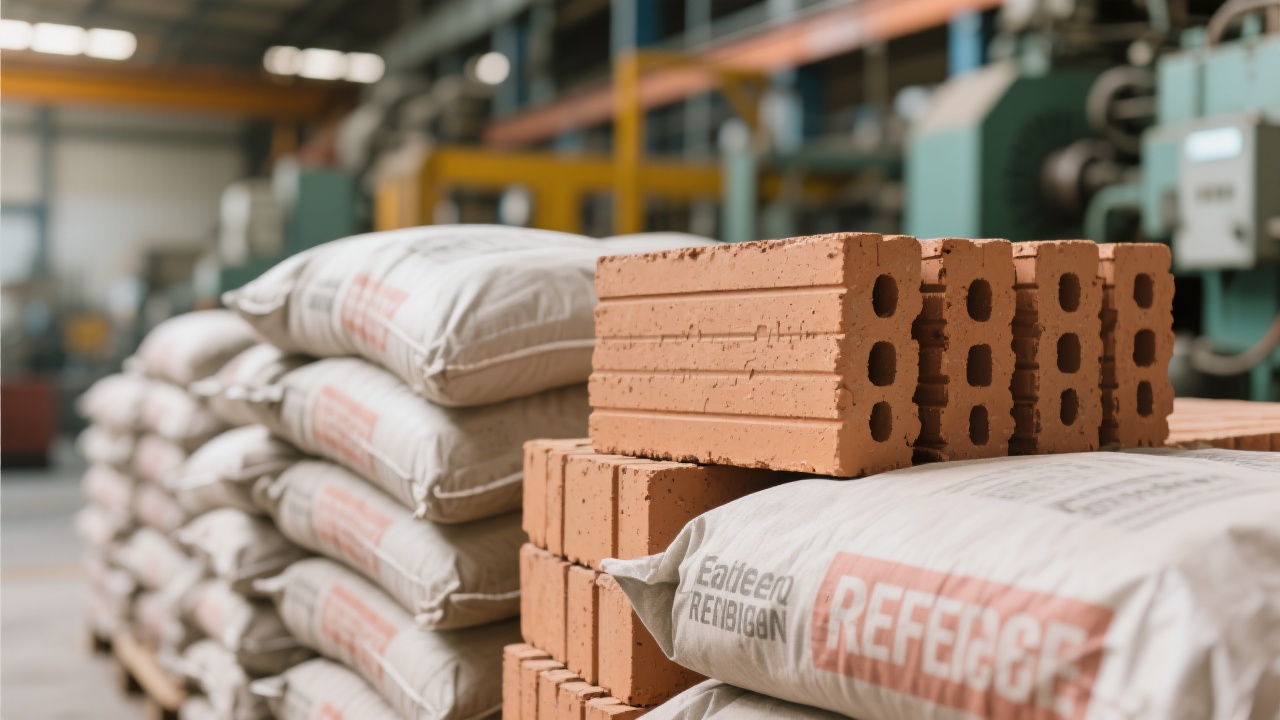
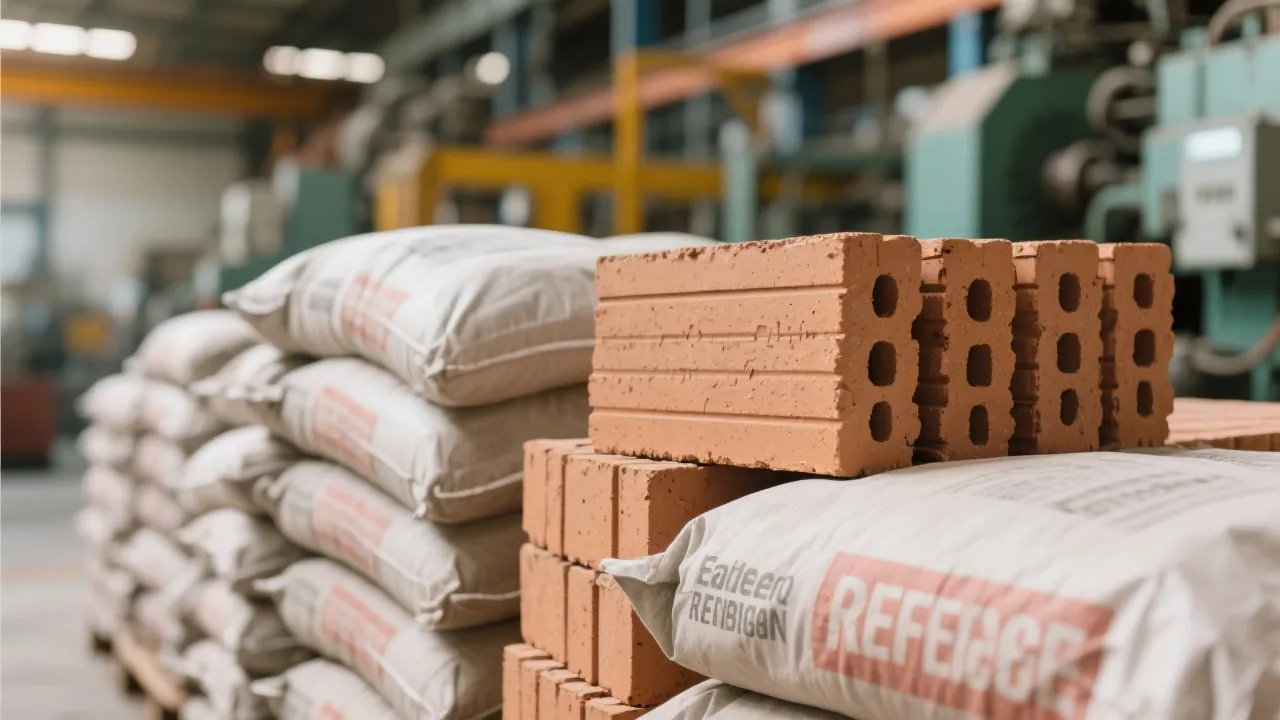
Navigating complex international standards is indispensable. Prioritize acquiring relevant product certifications such as ISO 9001, CE marking for European markets, and ASTM compliance for the US. These credentials become your premium trust signals.
Moreover, investing in localized aftersales support, technical guidance, and customized packaging options differentiates your brand as a partner rather than just a supplier. This relationship-oriented approach not only boosts client retention but also propels word-of-mouth referrals in niche industrial communities.

Authoritative market research forecasts a global refractory cement export CAGR of 6.8% over the next three years. Asia-Pacific leads with over 8% growth, fueled by industrial investment, while Europe and North America present stable increments driven by regulatory compliance and product upgrades.
Embedding these projections into your sales pitches and investor discussions not only underlines your market awareness but equips you to make data-backed decisions on resource allocation and product development.
“The shift towards energy-saving and durable refractory materials will decisively shape international trade flows. Exporters who innovate and localize will command superior growth.” – Global Industrial Materials Council, 2024
How is your enterprise positioning itself to harness these evolving export opportunities in refractory cement? Share your thoughts or questions below — let’s advance the conversation and uncover paths to mutual growth.
 319
|
319
|
 Mg-Al spinel refractory bricks high-temperature production refractory materials energy-saving refractory ISO certification
179
|
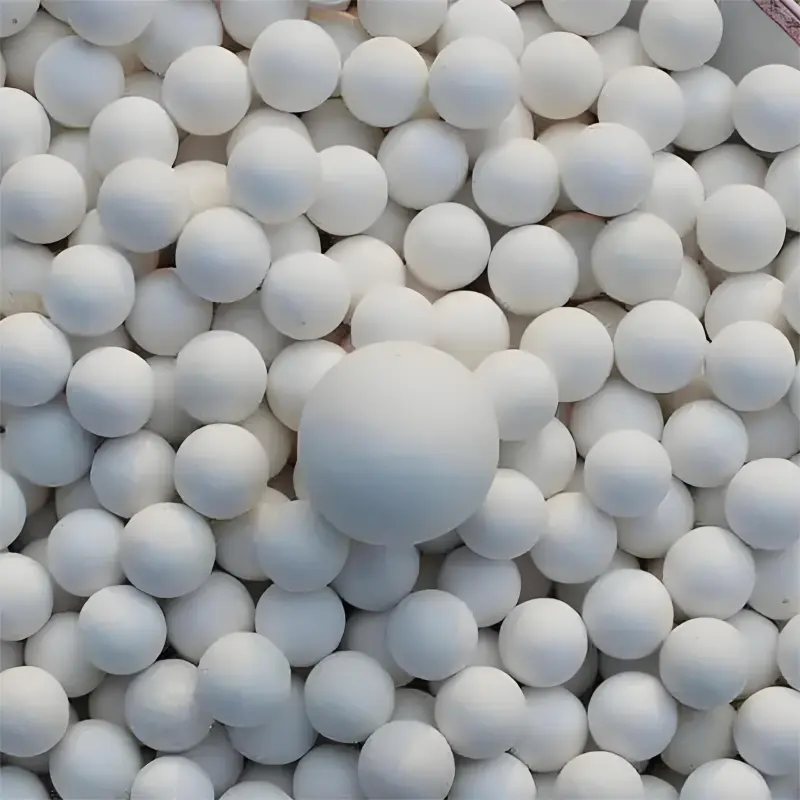
Corundum refractory balls High - temperature refractory materials Zhengzhou Rongsheng refractory materials Customized refractory balls Thermally stable refractory materials
299
|
ceramic fiber fabric high temperature industrial ceramic fiber布 lightweight refractory material high temperature insulation fabric corrosion resistant ceramic fabric
308
|
Ceramic fiber cloth High-temperature corrosion-resistant materials Industrial thermal insulation fabrics Lightweight refractory cloth High-temperature environment solutions
120
|
industrial kiln ceramic slurry customizable refractory materials high-temperature process optimization magnesia ceramic slurry alkali-resistant high-temperature materials
Mg-Al spinel refractory bricks high-temperature production refractory materials energy-saving refractory ISO certification
179
|
Corundum refractory balls High - temperature refractory materials Zhengzhou Rongsheng refractory materials Customized refractory balls Thermally stable refractory materials
299
|
ceramic fiber fabric high temperature industrial ceramic fiber布 lightweight refractory material high temperature insulation fabric corrosion resistant ceramic fabric
308
|
Ceramic fiber cloth High-temperature corrosion-resistant materials Industrial thermal insulation fabrics Lightweight refractory cloth High-temperature environment solutions
120
|
industrial kiln ceramic slurry customizable refractory materials high-temperature process optimization magnesia ceramic slurry alkali-resistant high-temperature materials